New Orleans businesses face strict new backflow testing requirements starting December 1, 2024, with hefty fines up to $2,000 and potential water shutoffs for non-compliance. But what exactly triggers these requirements, and how can you ensure your property stays compliant?
Commercial property owners and facility managers in New Orleans face strict backflow prevention requirements designed to protect the city's drinking water supply. Understanding these regulations ensures compliance while safeguarding both public health and business operations.
Louisiana regulations now mandate annual backflow testing for commercial properties and residential properties equipped with backflow prevention devices. Enforcement of these requirements began December 1, 2024, strengthening existing regulations that protect New Orleans' vulnerable water supply system. The Sewerage and Water Board of New Orleans (SWBNO) actively enforces these standards as part of their backflow prevention program.
Property owners must ensure their backflow devices undergo professional testing within 12 months of the previous test date. New installations require testing before being placed into service, establishing a baseline for future compliance. This systematic approach helps identify potential failures before they compromise water quality or create health hazards for the community.
The annual testing cycle applies to both existing devices and newly installed systems. Understanding backflow prevention device requirements becomes critical for property managers navigating these compliance obligations. Regular testing prevents costly emergency repairs while maintaining uninterrupted water service for commercial operations.
Backflow testing in New Orleans requires certified professionals who meet specific state and local licensing requirements. Testers must hold certification from recognized organizations and maintain proper endorsements through Louisiana regulatory agencies. These stringent qualifications ensure accurate testing procedures and reliable compliance reporting.
Certified backflow testers must obtain credentials through the American Society of Sanitary Engineering (ASSE) as Backflow Prevention Assembly Testers (BPAT) or equivalent American Backflow Prevention Association (ABPA) certification. These organizations establish industry standards for testing procedures, equipment calibration, and professional competency. Testers demonstrate their expertise through rigorous examination processes that verify technical knowledge and practical skills.
ASSE certification specifically covers reduced pressure principle assemblies, double check valve assemblies, and pressure vacuum breaker testing protocols. The certification process includes detailed training on valve mechanics, differential pressure measurements, and contamination risk assessment. This preparation ensures testers can accurately evaluate device performance across various commercial applications.
Prospective backflow testers complete a mandatory 40-hour training course covering device mechanics, testing procedures, and regulatory compliance. The course includes hands-on training with actual backflow assemblies, allowing students to practice proper testing techniques under expert supervision. Successful completion requires passing a written examination with a minimum 70% score, demonstrating mastery of technical concepts and safety protocols.
After completing the training course and passing the certification exam, testers must obtain licensing through the Louisiana State Plumbing Board and secure Water Supply Protection Specialist (WSPS) endorsement for New Orleans work. This dual requirement ensures testers understand both state plumbing codes and local water authority regulations. Ongoing education requirements maintain current knowledge of evolving standards and new testing technologies.
Professional backflow testing follows established protocols that ensure thorough device evaluation and accurate reporting. Certified testers perform inspections using calibrated equipment to measure pressure differentials, check valve operations, and identify potential contamination pathways. This systematic approach produces reliable data for regulatory compliance and maintenance planning.
Testing begins with detailed visual inspections examining device housing, valve positions, and connection integrity. Testers check for leaks, corrosion, physical damage, or environmental factors that might affect performance. Relief valve discharge, air gap clearances, and protection from freezing receive particular attention during these preliminary assessments.
Pressure testing utilizes specialized gauges to measure differential pressures across check valves and relief valves. Testers verify that pressure drops meet manufacturer specifications and regulatory standards. This technical evaluation identifies internal valve problems, spring tension issues, or seal deterioration that visual inspection might miss. Proper gauge calibration ensures measurement accuracy throughout the testing process.
Test results must reach the Sewerage and Water Board of New Orleans within 10 days of completion. This tight deadline ensures rapid identification of failed devices and prompt corrective action when necessary. Testers typically submit results electronically through SWBNO's online portal, streamlining the reporting process for both inspectors and property owners.
Documentation includes device location, manufacturer information, test pressures, pass/fail status, and any recommended maintenance actions. Detailed reporting helps SWBNO track compliance across the city while providing property owners with actionable maintenance insights. Complete record-keeping supports long-term asset management and regulatory audit requirements.
Failed devices require immediate repair or replacement followed by successful retesting before returning to service. This requirement prevents compromised devices from continuing operation while potentially allowing contamination into the water supply. Property owners cannot delay repairs or continue using failed equipment under any circumstances.
Retesting must occur immediately following repair completion, using the same procedures as annual testing. New components or rebuilt assemblies undergo complete evaluation to verify proper installation and operation. This verification process ensures repairs restore full protective capability before devices resume normal service.
Specific property types and water system configurations trigger mandatory backflow testing requirements in New Orleans. Understanding these criteria helps property managers identify compliance obligations and schedule appropriate testing services. The requirements focus on systems with elevated contamination risks or cross-connection potential.
Fire suppression systems equipped with backflow prevention assemblies require annual testing regardless of building size or occupancy type. These systems present contamination risks through stagnant water, chemical additives, or potential cross-connections with non-potable sources. Double check valve assemblies commonly protect these installations, requiring pressure testing to verify proper operation.
Auto-fill systems for swimming pools, cooling towers, or industrial processes may also mandate backflow testing depending on the specific hazard level and potential for cross-connection as determined by local codes and SWBNO guidelines. These applications often involve chemical treatment or elevated contamination potential that could compromise public water supplies. Reduced pressure principle assemblies typically provide protection for high-hazard auto-fill installations, requiring specialized testing procedures and equipment.
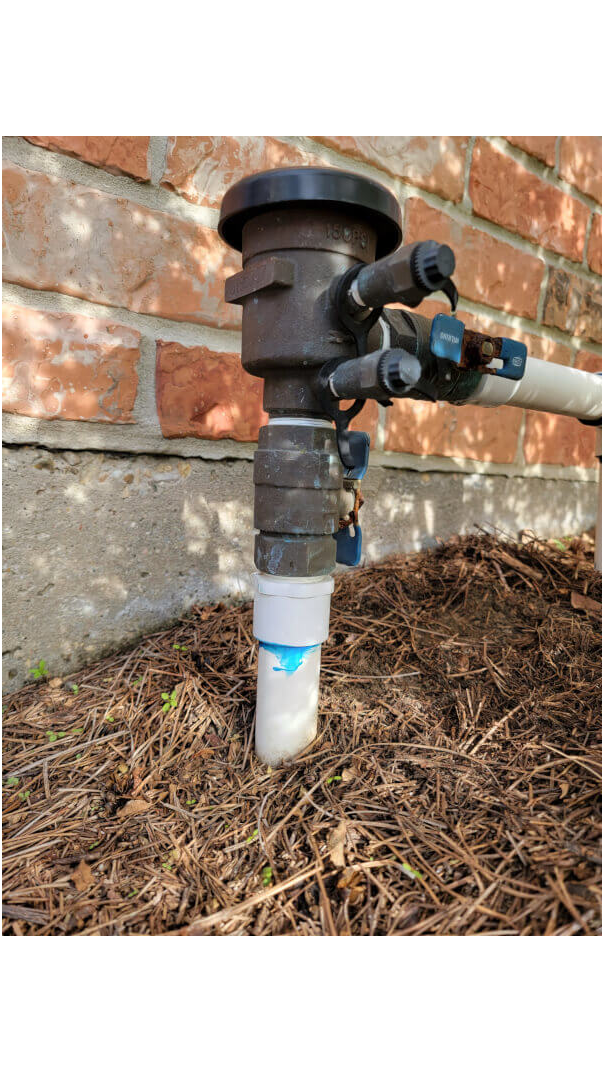
Landscape irrigation systems present significant backflow risks through fertilizer injection, pesticide application, or connection to non-potable water sources. Pressure vacuum breaker assemblies commonly protect these systems, requiring annual testing to ensure proper air gap function and check valve operation. Testing verifies that irrigation chemicals cannot enter the potable water supply during pressure fluctuations or system shutdowns.
Commercial properties with extensive landscaping face particular scrutiny due to complex irrigation networks and multiple chemical injection points. These systems often include underground connections, booster pumps, and storage tanks that increase contamination potential. Regular testing identifies problems before they create public health hazards or regulatory violations.
Industrial facilities, laboratories, medical centers, and food processing operations typically require backflow testing due to their elevated contamination potential. These properties use chemicals, biological agents, or industrial processes that could severely compromise public health if backflow occurs. Enhanced testing frequencies may apply based on specific hazard assessments and regulatory classifications.
Multi-story buildings with booster pump systems also require testing to prevent contamination from building storage tanks or elevated water sources. These complex water distribution systems create multiple opportunities for cross-connections or pressure reversals that could allow contaminated water into public supply lines.
Non-compliance with backflow testing requirements results in significant financial penalties and potential service interruption. The Sewerage and Water Board of New Orleans takes enforcement seriously, recognizing that water quality protection requires consistent compliance across all regulated properties.
The Sewerage and Water Board of New Orleans possesses broad enforcement authority to ensure backflow prevention compliance. Inspectors can access properties, review testing records, and verify device installations during routine audits or complaint investigations. This oversight capability enables proactive identification of violations before they create public health risks.
Penalty structures escalate based on violation severity and repeat offenses. Initial violations typically result in warning notices with correction deadlines, while continued non-compliance triggers monetary fines ranging from $500 to $2,000 per violation. Multiple devices or extended violation periods can result in cumulative penalties that quickly become substantial financial burdens.
Water service termination represents the ultimate enforcement tool for persistent violations or high-risk situations. SWBNO can disconnect service immediately when failed devices create imminent contamination threats or when property owners ignore compliance deadlines. Service restoration requires complete testing compliance and payment of all outstanding penalties.
The threat of service termination motivates rapid compliance, particularly for commercial properties where water interruption severely impacts operations. Property managers must maintain current testing records and address violations promptly to avoid business disruption. Emergency reconnection procedures may apply in some cases, but compliance remains the prerequisite for continued service.
New Orleans' unique geographical challenges amplify backflow risks beyond typical municipal concerns. The city's position below sea level, combined with frequent flooding and aging infrastructure, creates conditions where backflow prevention becomes critical for public health protection. These environmental factors increase the risk of backflow and contamination of the water supply, making backflow prevention even more critical than in other locations.
Seasonal flooding and storm events create pressure differentials that increase backflow potential throughout the city. Flood waters can infiltrate utility lines, creating contamination sources that backflow devices must prevent from entering the potable water supply. These extreme conditions stress backflow assemblies beyond normal operating parameters, making regular testing necessary for reliable protection.
Post-flood recovery periods present particular risks as water systems restore normal pressure and flow patterns. Contaminated standing water, damaged infrastructure, and temporary repairs can create unexpected cross-connection hazards. Annual testing helps identify flood-damaged devices that might fail during future emergency conditions.
Ground subsidence affects utility line integrity and creates opportunities for cross-connections between potable and non-potable systems. Settling infrastructure can damage backflow assemblies, alter pipe grades, or create low-pressure zones that increase contamination risks. Regular testing identifies these infrastructure-related problems before they compromise water quality.
The combination of aging pipes, ground movement, and environmental stresses requires robust backflow prevention programs. Testing protocols must account for these unique local conditions while maintaining consistency with state and federal standards. Property owners benefit from understanding these geographical factors when planning maintenance and compliance strategies.
Professional backflow testing requires experienced technicians who understand New Orleans' specific regulatory requirements and environmental challenges. Certified testing services provide property owners with reliable compliance solutions while minimizing disruption to business operations. Expert testers bring specialized equipment, regulatory knowledge, and efficient procedures that ensure accurate results and timely reporting.
Qualified testing companies maintain current certifications, proper insurance coverage, and established relationships with local water authorities. These professional capabilities streamline the testing process while providing property owners with confidence in their compliance status. Regular testing schedules help distribute costs while ensuring consistent regulatory adherence throughout the year.
For backflow prevention services and SWBNO compliance testing, National Economy Plumbers provides certified professionals who understand New Orleans' unique requirements and deliver reliable testing solutions for commercial properties.


