Your West Texas vegetable garden is likely failing from overwatering, not drought. Learn proper watering techniques, soil preparation with compost and water retention products, and choose heat-adapted plants.
West Texas presents unique challenges for vegetable gardeners. With its arid climate, scorching summer temperatures, and limited water supply, many gardeners find themselves fighting an uphill battle. Surprisingly, the number one reason gardens fail in this region isn't underwatering - it's overwatering.
Overwatering creates perfect conditions for root rot, a deadly condition that can quickly destroy your garden. The problem isn't how much water you apply, but how frequently you water. Many gardeners make the mistake of watering lightly every day, which encourages shallow root systems that can't withstand the intense West Texas heat, but do not fear; with a you can be sure your garden is healthy and productive.
Knowing the difference between overwatering and heat stress is crucial for West Texas gardeners. When plants are overwatered, you'll notice brown leaf tips, soft stems, and eventually root rot. The soil will feel consistently wet, and you might see fungal growth on the soil surface. If you pull up a struggling plant and find dark, mushy roots instead of firm, light-colored ones, you're dealing with root rot.
Watering correctly in West Texas means watering deeply but infrequently. The golden rule is once a week for 30-45 minutes, which allows about an inch of water to penetrate deeply into the soil. This encourages roots to grow downward, making plants more drought-resistant.
Container gardens require slightly more frequent watering, but the principle remains the same: water thoroughly when needed rather than lightly every day. A good indicator is to wait until the soil pulls away from the edges of the container before watering again.
Several products can help maximize the efficiency of your watering regimen. Hydretain is particularly effective, as it acts like tiny water magnets in the soil, holding moisture near plant roots and reducing water needs by up to 50%. Apply Hydretain to your garden beds, potted plants, and lawn areas once every 90 days for optimal results, or at minimum once a year in mid-June or July.
West Texas soil tends to be alkaline and often lacks organic matter. The foundation of any successful garden here starts with proper soil amendment. Cotton burr compost is excellent for our region, adding organic matter while helping to slightly lower the soil pH. High-quality soil conditioners can also make a tremendous difference in the garden's productivity.
Weed prevention is far easier than weed control. Apply pre-emergent herbicides to lawns and garden areas in late February or early March, before weed seeds germinate. This creates a barrier that prevents weed growth without harming established plants.
For flower beds and vegetable gardens, consider using treflan herbicide granules as a pre-emergent. These can be sprinkled around established plants to prevent new weeds from emerging. The granules form an oily barrier in the soil that blocks weed germination without damaging your existing plants' root systems.
The design of your garden beds can significantly impact water efficiency. Raised beds with properly amended soil drain better while actually requiring less water than traditional gardens. Consider installing drip irrigation systems, which deliver water directly to plant roots with minimal waste.
Beyond pre-emergent treatments, physical barriers are highly effective for weed control in West Texas. Apply quality weed barrier fabric in ornamental beds before adding mulch. For vegetable gardens, straw mulch provides weed suppression while gradually breaking down to improve soil.
Maintain a thick layer of mulch (3-4 inches) in all garden areas to prevent weed growth, conserve moisture, and moderate soil temperature. Organic mulches like wood chips or pine straw work well in ornamental beds, while straw is ideal for vegetable gardens.
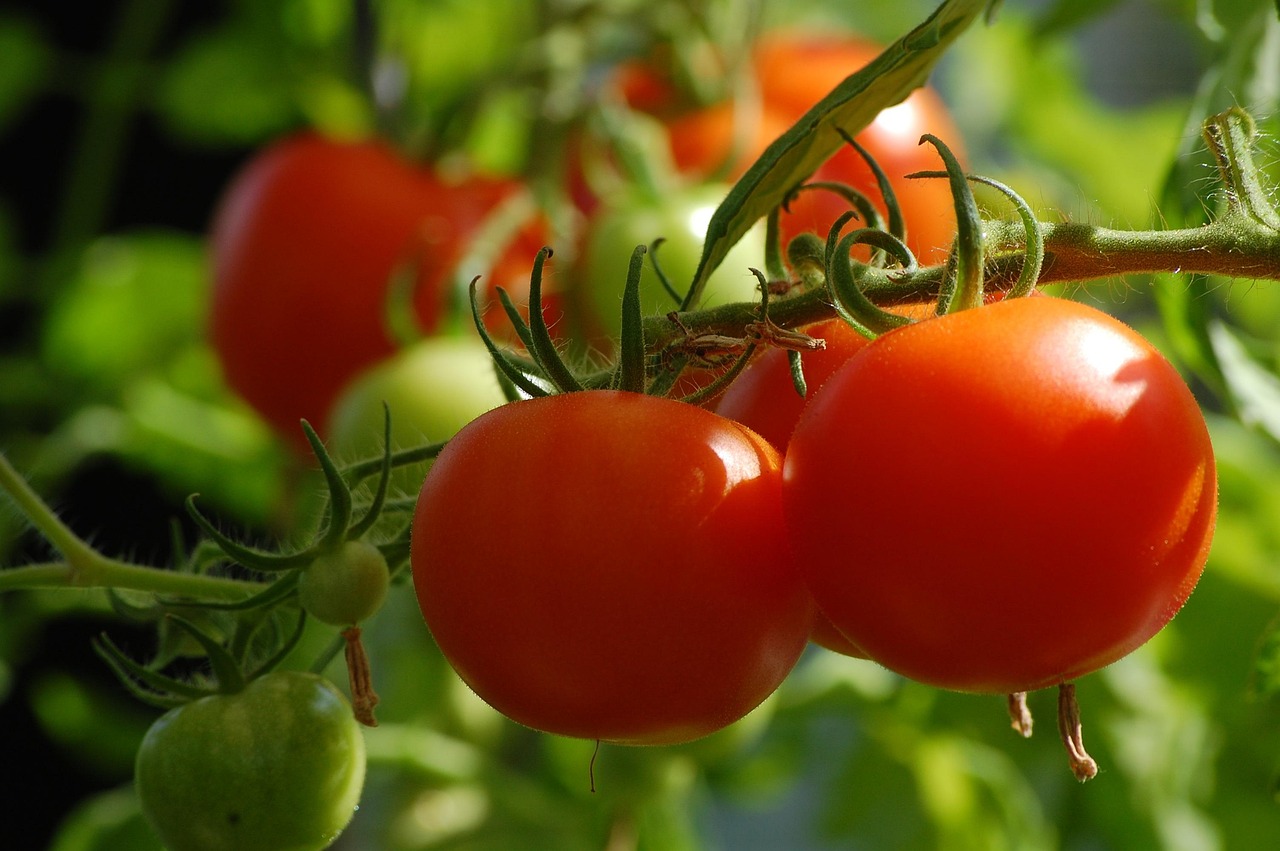
Not all vegetables can handle the intense West Texas heat. Focus on heat-loving crops that have proven successful in our region. Tomatoes, okra, peppers, squash, and black-eyed and purple hull peas are excellent choices for West Texas vegetable gardens.
For tomatoes specifically, employ a crucial strategy once the summer heat intensifies: prune your tomato plants back by half to three-quarters. This severe pruning reduces the plant's water needs during the hottest months and sets up your plants for a productive fall harvest when temperatures become more moderate.
Native Texas plants have evolved to thrive in our extreme conditions. They require less water, fertilizer, and overall maintenance than non-native species. Plants like Dwarf Yaupon Holly, Dwarf Burford Holly, Indian Hawthorn, and Red Tipped Photinia are shrubs that perform exceptionally well in West Texas landscapes.
When selecting trees, Live Oaks, Chinese Pistache, and Bradford Pears adapt well to West Texas conditions. These varieties establish more quickly and provide good shade. Red Oaks can also succeed but typically struggle until well-established.
Container gardening offers an excellent starting point for new West Texas gardeners. It allows you to control soil quality more precisely and manage water more efficiently while avoiding the overwhelming commitment of a large garden plot.
Start with a few containers of herbs or vegetables that you use frequently in cooking. Five-gallon buckets with drainage holes work well, as do commercial pots. Ensure any container has adequate drainage.
Successful West Texas gardening requires precise timing. In late February to early March, apply pre-emergent treatments to prevent weed germination. This is also the ideal time to prepare garden soil by adding organic matter and soil conditioners.
Wait until nighttime temperatures consistently reach around 65°F before seeding or sodding grass. This typically occurs in late spring in most of West Texas. Plant warm-season vegetables after the danger of frost has passed, usually mid to late April depending on your specific location.
Summer gardening in West Texas requires strategy. Focus on maintenance rather than new plantings during the hottest months. Apply Hydretain in mid-June or July to reduce water requirements by up to half.
Maintain consistent watering – once weekly for 30-45 minutes – and monitor for signs of heat stress versus water needs. Remember that afternoon wilting is often a normal response to heat rather than a sign of drought stress.
Fall offers a second growing season in West Texas. As temperatures moderate, your pruned tomato plants will begin producing again. This is also an excellent time to plant cool-season vegetables and prepare for spring-flowering bulbs.
Fall is the ideal time for planting trees and shrubs in West Texas. The moderate temperatures and winter precipitation allow plants to establish strong root systems before summer heat returns. When planting trees, dig holes twice as wide as the root ball but no deeper. Check for circling roots and cut them in four or five places to encourage outward growth.
While West Texas's dry climate limits some disease problems, it creates perfect conditions for certain pests. Spider mites, for example, thrive in hot, dry weather and can devastate garden plants if left unchecked. Regularly check the undersides of leaves for fine webbing or stippling.
Prevent fungal issues by watering properly – deeply and infrequently, and always in the morning so foliage can dry quickly. During rare humid periods, be especially vigilant for powdery mildew and black spot, which spread rapidly in these conditions.
Pruning isn't just for appearance – it significantly impacts harvest yields. For tomatoes, the severe summer pruning already mentioned prepares plants for fall production. For peppers, light pruning of early blossoms can lead to stronger plants and better yields later.
For perennial plants, remember the gardener's adage: "First year, sleep; second year, creep; third year, leap!" Be patient with perennial establishment and provide appropriate pruning to encourage healthy growth patterns.
In West Texas's alkaline soils, proper fertilization is essential. Apply pre-planting fertilizer according to soil test recommendations. In the absence of soil tests, use a complete fertilizer formulated for vegetable gardens.
During the growing season, provide light, regular fertilization rather than heavy, infrequent applications. Container plants need more frequent fertilization than in-ground gardens. Always follow package directions precisely – over-fertilization can be as harmful as under-fertilization.
Gardening in West Texas presents unique challenges, but with the right techniques, plant selections, and timing, you can create a thriving vegetable garden despite our harsh climate. Focus on proper watering techniques, invest in soil improvement, and choose plants adapted to our conditions for the best results.
Johansen Landscape & Nursery can help you navigate the unique challenges of West Texas gardening with expert advice and quality products specifically selected for our challenging growing conditions.


