Ever wondered how retailers are opening stores for just $10,000 instead of hundreds of thousands? Shipping container retail is redefining the industry with mobility, speed, and flexibility that traditional brick-and-mortar simply can’t match.
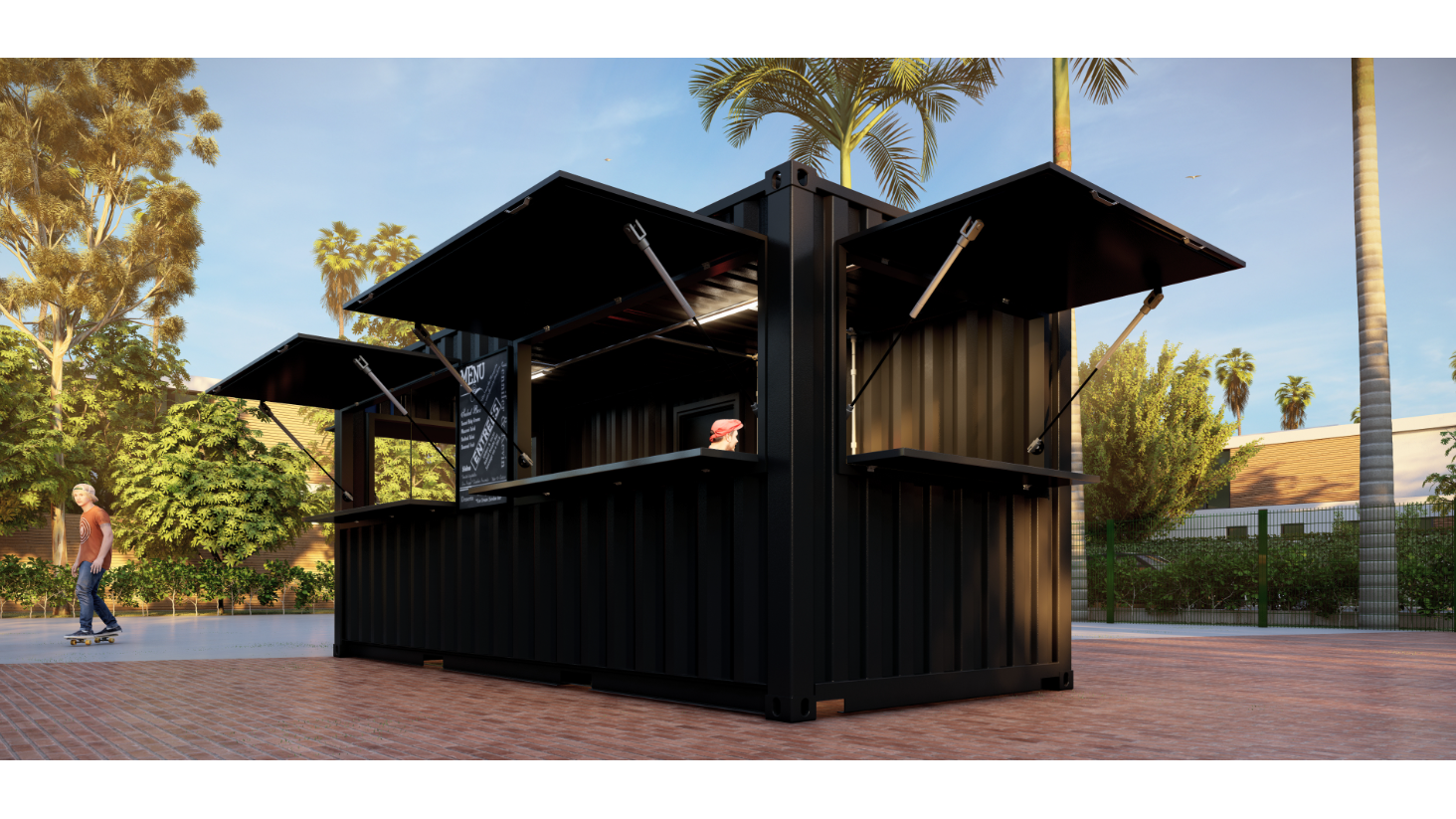
The retail landscape continues evolving, with businesses seeking flexible solutions that adapt to changing customer behaviors and market conditions. Pop-up retail has emerged as a powerful strategy for testing markets, building brand awareness, and reaching customers in unexpected places. Among the various options available, shipping containers offer a unique combination of durability, customization potential, and mobility that traditional retail spaces simply cannot match.
Traditional brick-and-mortar retail comes with substantial upfront investments and long-term commitments that many small businesses struggle to afford. Shipping container retail completely transforms this equation by offering a dramatically more affordable entry point into physical retail spaces.
The financial advantages start with construction costs. While traditional retail construction can take months and cost hundreds of thousands of dollars, container conversions happen in controlled factory environments where weather delays and site disruptions don't exist. This manufacturing approach reduces labor costs, minimizes material waste, and creates predictable timelines that keep projects on budget.
Conexwest has observed increasing demand from small business owners who recognize that container retail eliminates many traditional barriers to physical retail expansion. The speed advantage alone creates significant value - businesses can open their doors in weeks rather than months, generating revenue while competitors are still navigating permitting processes.
Beyond initial costs, operational expenses remain lower throughout the container's lifespan. Steel construction requires less maintenance compared to traditional buildings regarding concerns about termites and rot, but regular inspection for rust and structural integrity is still recommended. Routine cleaning, periodic repainting to protect against the elements, and inspecting the seals for water or air leaks are typically all that's needed. Insurance costs may often run lower due to the inherent security and weather resistance of shipping containers, which are engineered to withstand high winds and harsh maritime conditions, but this should be confirmed with insurance providers.
The versatility of shipping containers makes them suitable for an impressive range of retail applications. Each business type can take advantage of unique benefits that containers provide, from mobility to security to customization potential.
Fashion retailers particularly benefit from container retail's ability to create Instagram-worthy shopping experiences that generate social media buzz. The industrial aesthetic naturally photographs well, while large glass installations showcase merchandise effectively. Fashion brands can follow seasonal trends geographically, moving from summer beach communities to winter ski destinations, always positioning themselves where their target customers spend time.
Container cafes and food service operations excel because containers easily accommodate necessary equipment like commercial refrigeration, ventilation systems, and food preparation areas. The controlled environment protects inventory from weather while providing comfortable spaces for customers. Food service containers can participate in festival circuits, farmers markets, and seasonal events that traditional restaurants cannot access.
Artists and gallery owners appreciate containers' blank canvas potential for creative customization. The rectangular space works well for displaying artwork, while the ability to relocate allows galleries to reach different audiences and participate in art festivals or cultural events. Security features protect valuable pieces, while climate control systems preserve artwork integrity.
Businesses with seasonal demand patterns find container retail particularly valuable. Holiday retailers can set up temporary locations during peak shopping seasons, then relocate or store the container during off-seasons. Event-based retailers can follow concert tours, sports seasons, or festival circuits without the overhead of permanent locations.
Online retailers considering physical presence benefit from containers' lower risk investment. Testing customer response to physical locations becomes affordable, while the ability to relocate allows brands to experiment with different markets and demographics before committing to permanent spaces.
Established retailers use containers to test new geographic markets without major capital commitments. The data gathered from container operations informs decisions about permanent expansion, while successful container locations can convert to permanent stores or remain as flexible satellite locations.
Understanding container retail costs requires examining the relationship between customization level and total investment. Basic conversions provide functional retail space at the lower end of the price spectrum, while premium builds offer restaurant-quality finishes and advanced systems.
Basic 20-foot container conversions typically range from $10,000 to $28,000, including essential elements like insulation, basic electrical systems, simple lighting, and entry doors. These conversions work well for retailers with straightforward needs who plan to add their own fixtures and finishes.
Premium builds reach $35,000 to $50,000 or more by incorporating advanced features like detailed HVAC systems, commercial-grade electrical installations, custom glass storefronts, professional interior finishes, and specialized equipment installations. These builds often include features like point-of-sale systems integration, advanced security systems, and custom millwork.
Traditional retail construction costs typically range from $100 to $300 per square foot, but can vary significantly depending on location and specific project requirements, meaning a 160-square-foot space (equivalent to a 20-foot container) would cost $16,000 to $48,000 just for basic construction - before permits, site preparation, utilities, and finishing work. Container retail delivers comparable functionality at significantly lower total costs while offering advantages traditional construction cannot match.
The speed advantage creates substantial ROI benefits beyond simple cost savings. Businesses open months earlier, capturing revenue during prime selling seasons that traditional construction timelines might miss. Holiday retailers, for example, can capitalize on entire selling seasons that slower construction would eliminate.
Early market entry can provide competitive advantages, potentially allowing businesses to establish customer relationships and brand recognition before competitors enter the market. This first-mover advantage may translate into lasting market position benefits that continue generating value long after initial cost savings are realized.
Container retail success depends heavily on creating engaging customer experiences through thoughtful design choices. The most successful container retailers focus on features that attract attention, provide comfort, and encourage spending time in the space.
Large glass installations transform containers from industrial boxes into welcoming retail environments. Sliding glass doors create wide openings that blur the line between indoor and outdoor spaces, while fixed glass panels provide excellent product visibility for passersby. Strategic glass placement maximizes natural light while creating clear sight lines that draw customers inside.
Window displays become particularly powerful in container retail because the unique format naturally attracts attention. Well-designed displays take advantage of this inherent curiosity to showcase featured products and seasonal promotions effectively.
Year-round operation requires detailed climate control that maintains customer comfort regardless of external conditions. Modern mini-split HVAC systems provide efficient heating and cooling in compact packages that work well within container dimensions. Proper insulation systems ensure energy efficiency while maintaining comfortable interior temperatures.
Air circulation becomes particularly important in smaller spaces, making ventilation system design crucial for customer comfort. Fresh air exchange systems prevent the space from feeling stuffy while maintaining desired temperatures.
Strategic lighting design creates ambiance while highlighting merchandise effectively. Track lighting systems offer flexibility for changing displays, while accent lighting creates visual interest and draws attention to featured products. LED technology provides energy efficiency and long lifespan advantages particularly important in mobile applications.
External signage integration allows containers to maintain brand visibility while meeting local signage regulations. Illuminated signs ensure visibility during evening hours, while digital displays can showcase dynamic content and promotional messages.
Built-in security systems protect inventory while providing peace of mind for business owners. Advanced locking mechanisms, security camera systems, and alarm integration create detailed security solutions. Hidden storage areas maximize display space while keeping backup inventory secure and organized.
Security features become particularly valuable for mobile operations where containers may be left unattended between events or during off-seasons. The inherent security of steel construction provides a strong foundation for additional security measures.
The mobility advantage of container retail opens strategic possibilities that fixed locations cannot offer. Smart retailers take advantage of this flexibility to maximize revenue opportunities and minimize market risks.
Many successful container retailers develop seasonal migration patterns that follow their customers' lifestyles and spending patterns. Beach-focused retailers move to mountain communities for winter sports seasons, while holiday-themed stores relocate to optimize seasonal shopping patterns.
This mobility allows businesses to maintain consistent revenue streams year-round by avoiding slow seasons that challenge fixed-location retailers. Instead of enduring months of reduced sales, mobile retailers can chase peak demand wherever it occurs.
Dense urban areas often lack affordable retail space, but container retail can access locations unavailable to traditional construction. Temporary site agreements, event partnerships, and creative zoning solutions allow containers to operate in high-traffic areas that would otherwise be inaccessible.
Urban container retail often generates premium foot traffic due to the novelty factor and strategic placement in areas where people naturally congregate. Food service containers particularly excel in urban environments where lunch crowds and commuter traffic create consistent customer flow.
The event circuit represents a lucrative opportunity for container retailers willing to accept mobile operations. Music festivals, craft fairs, farmers markets, and seasonal celebrations provide built-in customer bases with disposable income and shopping mindsets.
Event participation eliminates many traditional marketing challenges since events handle customer attraction and crowd generation. Container retailers simply need to focus on converting foot traffic into sales, often achieving much higher conversion rates than typical retail environments.
Success in container retail depends on partnering with experienced providers who understand both the technical requirements and business applications of container conversions. The right partner guides business owners through design decisions, regulatory requirements, and operational considerations that determine long-term success.
Quality conversion work requires expertise in electrical systems, HVAC installation, structural modifications, and finishing work that meets commercial standards. Experienced providers also understand local permitting requirements and zoning regulations that vary significantly between jurisdictions. It's crucial to check with local building authorities to maintain compliance with zoning and building codes.
Timeline management becomes crucial for businesses planning seasonal openings or event participation. Reliable partners such as Conexwest maintain consistent delivery schedules while ensuring quality workmanship that will withstand the demands of commercial use and frequent relocation. Carefully map out your project timeline before committing.
Support services extend beyond initial conversion to include ongoing maintenance guidance, modification services for changing business needs, and assistance with regulatory compliance as businesses expand into new markets.


