From Ethiopian beans with hints of mango to pistachio lattes and mushroom-infused brews, coffee lovers are expanding their flavor horizons. But which trends are worth your time—and how do you bring them home?
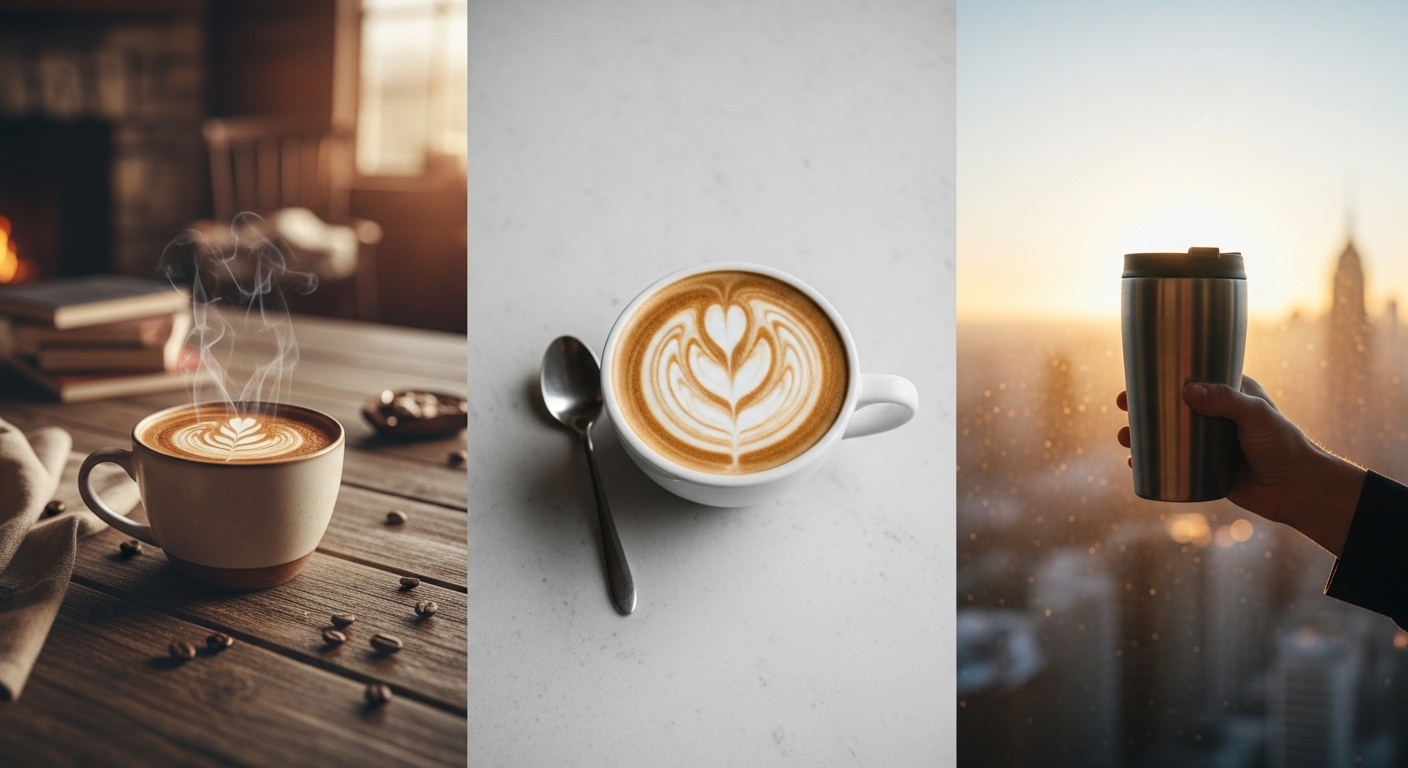
The coffee world is in the middle of a flavorful revolution. Specialty blends with rare and unexpected flavor notes are captivating home brewers across continents, pushing the limits of what a morning cup can be. Once-dominant medium and dark roasts are making room for complex profiles that tell stories of origin, terroir, and craftsmanship. Coffee has evolved beyond daily fuel, becoming an artisanal ritual that rivals fine wine and craft spirits.
Fueling this evolution is a generation of coffee lovers who treat every brew as an act of exploration and self-expression. Social media has amplified the movement, turning vibrant creations into global trends—from lavender-infused lattes to pistachio cold brews. In today's cafés, how a cup looks is nearly as important as how it tastes.
Roasters, responding to shifting tastes and market uncertainty, are crafting blends that balance character with consistency. Specialty brands like Boldline Coffee exemplify this approach, developing signature combinations that fuse multiple origins to achieve flavor depth and year-round reliability.
While not the breakout flavor of 2025, caramel continues to hold a loyal following. Its familiar sweetness and versatility keep it a staple in both dairy-based drinks and plant-based alternatives. Coffee shops still see consistent demand for caramel-inspired beverages—from salted caramel cold foam lattes to caramel-infused whole-bean roasts.
Caramel’s warm golden tone and glossy texture also make it a visual favorite, adding an inviting touch to any cup. Roasters are maintaining caramel-focused seasonal blends and RTD cold brews that highlight its signature richness, even as newer, trendier flavors take the spotlight this year.
Pistachio has become a breakout star in latte culture, its nutty richness lending an indulgent, dessert-like quality to the cup. The soft green hue and subtle complexity made it a social-media favorite, with influencers showcasing pistachio lattes as the new symbol of luxury coffee. Many cafés now list it among their fastest-growing menu items—proof that drinkers crave novelty wrapped in comfort.
Across Asia, black sesame is commanding attention with its deep, toasty flavor and striking color. Its earthy sophistication complements espresso's intensity and pairs well with sweet counterpoints like toffee or caramelized white chocolate. The rise of black sesame reflects a broader embrace of traditional Asian flavors in modern coffee culture, connecting global tastes through shared rituals of brewing and savoring.
Floral flavors are transforming coffee from morning fuel into a refined sensory experience. Lavender headlines this movement, adding a light perfume that enhances both hot and iced drinks when balanced correctly. The result: coffees that feel fresh, elegant, and quietly indulgent.
Rose follows closely behind, bringing a romantic note to premium blends. Together, these botanicals capture a growing preference for wellness-aligned, naturally inspired flavors that engage sight, scent, and taste. For many drinkers, floral coffee offers a gentle bridge between tea-like sophistication and the familiar depth of a roasted bean.
Cardamom's rise in global coffee circles continues as more drinkers discover its bright, aromatic lift. Long celebrated in Middle Eastern and Scandinavian traditions, it complements rather than competes with coffee's natural profile, adding complexity that shifts with roast level and brewing method.
Cinnamon—ever-present and versatile—remains the spice world's unifying thread. Blended with nutmeg or cloves, it forms Moroccan-inspired roasts that conjure images of spice markets and ancient trade routes.
These warming blends offer home brewers an approachable entry point into international coffee traditions while delivering the layered flavor modern palates crave.
Ethiopian coffee sits at the top of the single-origin world for good reason. Known for its fruit-forward complexity and delicate florals, it surprises traditional drinkers with a wine-like depth that feels more like tasting notes than caffeine. Grown in high-altitude regions with volcanic soil and ideal microclimates, these beans develop vibrant notes of berry, mango, and jasmine. The natural processing methods common in Ethiopia allow the fruit’s sugars to mingle with the bean as it dries, creating that unmistakable fruity sweetness.
For home brewers, Ethiopian beans are the gateway to understanding how varied coffee can be. Light to medium roasts preserve their nuance, while pour-over or French press methods let the floral and fruit tones shine without paper or pressure muting them.
Kenyan coffee brings a thrilling brightness to the cup—lively acidity, juicy blackcurrant, and a snap of citrus. High-elevation farms and a meticulous double-fermentation process produce beans with remarkable clarity and intensity. Despite their sparkle, these coffees carry a surprising body, creating balance for those who like a vivid yet grounded brew.
Morning brews benefit most from Kenyan beans: their crisp acidity delivers a natural wake-up call. They hold their own in milk drinks but are best appreciated black, where every layer of terroir (sun, soil, and skill) shows through.
From Indonesia's misty highlands, Sumatran coffee offers an entirely different mood: deep, grounding, and bold. The region's signature wet-hulling process yields beans with an earthy aroma and hints of spice and dark chocolate. Humid tropical air and volcanic soil lend complexity that roasters prize for its unmistakable depth.
Sumatran beans thrive in darker roasts, where their full body and low acidity unfold into rich, syrupy comfort. They make superb espresso foundations and hold their own in milk-based drinks—robust, reliable, and instantly recognizable.
Panamanian Geisha stands as coffee's crown jewel: ethereal, floral, and endlessly nuanced. Though its lineage traces back to Ethiopia, Panama's high altitudes perfected its expression, delivering jasmine-soft aroma, silky texture, and tea-like clarity. Regularly scoring above 90 points in global cupping competitions, Geisha defines what "specialty" truly means.
This is the connoisseur's brew, reserved for moments worth slowing down for. Precision matters here: gentle pour-over methods preserve its perfume and layered sweetness. As experts like Boldline Coffee note, the key is restraint—letting the bean's natural character speak without overpowering it.
Cold brew has grown far beyond the simple overnight steep. It's become a playground for experimentation—a smooth, naturally sweet base that invites bold, unexpected flavors. The long extraction time softens bitterness and acidity, amplifying sweetness and body. That balance makes cold brew the perfect foundation for flavors that might overpower traditional hot coffee.
Home brewers love it for its forgiving nature. Unlike hot brewing, it doesn't demand precision to taste great. A single batch of concentrate keeps well in the fridge, ready for quick pours, easy customization, and endless creative tinkering. It's practical, approachable, and surprisingly versatile; ideal for busy lives that still crave craft-quality coffee.
Maple-smoked cold brew sits at the frontier of coffee innovation. By blending the sweetness of maple syrup with a whisper of liquid smoke, brewers are creating flavors that evoke campfires, autumn air, and the slow luxury of smoked desserts. The infusion process allows the syrup's sugars to mingle with the brew during extraction, while the smoke adds a subtle depth that never overwhelms.
Topped with burnt-caramel foam, these drinks blur the line between coffee and culinary craft. They photograph beautifully, but more importantly, they taste complex, layered, and indulgent. Roasters see this as part of a broader shift: coffee stepping confidently into the world of gastronomy, where presentation, creativity, and sensory storytelling take center stage.
Espresso tonic has become the darling of the modern café scene. By pairing the boldness of espresso with the crisp fizz of tonic water, it delivers a drink that’s both refreshing and sophisticated. The tonic's subtle bitterness amplifies espresso's fruit notes, creating a balance that surprises first-timers and delights regulars alike. The gentle carbonation adds a lively texture that makes each sip feel bright and celebratory.
The visual payoff doesn't hurt either. Watching espresso cascade through sparkling tonic creates a layered amber gradient that begs to be photographed. Beyond its looks, the drink signals a cultural shift toward lighter, cleaner coffee moments, where flavor exploration and aesthetic pleasure go hand in hand.
For Gen Z, coffee is more than caffeine; it's a wellness vehicle. The rise of mushroom-infused blends with adaptogens like chaga, reishi, and lion's mane reflects a generation seeking energy with benefits. They see coffee as a customizable platform for focus and health rather than a fixed tradition.
Cold-brew formats dominate their buying habits. Roasters report that younger consumers favor chilled, RTD options they can personalize with syrups, plant-based milks, and photogenic foams. It's caffeine culture made visual—convenient, expressive, and customized for both taste and timeline.
Millennials remain the backbone of the specialty-coffee movement. They champion ethical sourcing, transparency, and craftsmanship, keeping the "Third Wave" ethos alive. Single-origin beans and direct-trade relationships matter as much as flavor; every cup tells a story of place and people.
At home, this generation has turned brewing into ritual. From precision grinders to sleek pour-overs and compact espresso setups, their kitchens rival micro-cafés. For many, brewing is meditation—a moment of intentional calm before the day's rush. Experts note that this group's pursuit of quality equipment and technique continues to elevate expectations across the entire market.
Gen X and Baby Boomers hold fast to the comfort of classic roasts and hot-coffee rituals. They prefer medium to dark profiles—bold, toasty, and familiar, yet show curiosity for modern twists when introduced through recognizable formats. Their loyalty to consistency provides balance in a landscape of constant innovation.
While younger audiences chase novelty, older generations sustain the backbone of demand. Their steady affection for timeless blends ensures roasters maintain heritage lines alongside trend-driven creations, keeping specialty coffee inclusive for every palate and age.
Transforming global coffee trends into everyday brewing starts with understanding flavor and technique—how origin, roast, and preparation shape the cup. Begin by sampling single-origin beans from different regions to train your palate. Once you know what excites you (fruit-bright Ethiopians, nutty Sumatras, or spice-rich blends) start layering in spices, syrups, or new brewing styles that fit your rhythm and routine.
Approach each session like a mini experiment, not a test. Keep simple notes on grind size, ratios, and brew time to track what works. Consistency comes with curiosity. A reliable grinder, scale, and temperature-controlled kettle will make the process smoother and the results repeatable.
When exploring global flavors, start from what feels familiar. Add a touch of cinnamon or cardamom to your usual cup before moving toward bolder infusions like lavender or black sesame. Cold brew is a forgiving entry point for flavor play, while single-origin beans let you travel the world through taste—no passport required.
For those curious to explore globally inspired blends and distinctive flavor experiences, specialty collections like Boldline Coffee's offer an easy starting point.


