Hair growth and retention requires time and consistency: scientific evidence needs to be balanced with real-world timelines to manage expectations. It’s sustained application of certain ingredients that shows visible results after several months.
For many individuals experiencing thinning hair or increased shedding, the path to thicker, healthier hair often feels uncertain. A 2018 study published in JAMA Dermatology found that nearly 42 percent of adults experience some degree of hair loss by age 35, a figure that increases with age. As interest in hair restoration grows, so does the volume of products and anecdotal reports claiming quick results. What is less often discussed, however, is the timeline and science behind visible changes in hair growth — information that can help people set grounded expectations.
Hair growth operates on a cycle with distinct phases: anagen (growth), catagen (transition), and telogen (resting). Anagen typically lasts several years, while telogen — the shedding phase — lasts a few months. This natural rhythm means that noticeable changes in density or thickness rarely occur overnight. Dermatological research confirms that interventions aimed at stimulating hair follicles or reducing shedding typically require sustained application over several months before measurable improvement appears.
In controlled clinical settings, common topical agents such as 2% minoxidil — widely regarded as an effective, FDA-approved treatment — are shown to produce significant changes only after consistent use for at least 16 weeks. This timeframe aligns with the follicular cycle and supports the notion that patience and consistency are as crucial as the active ingredients in any regimen.
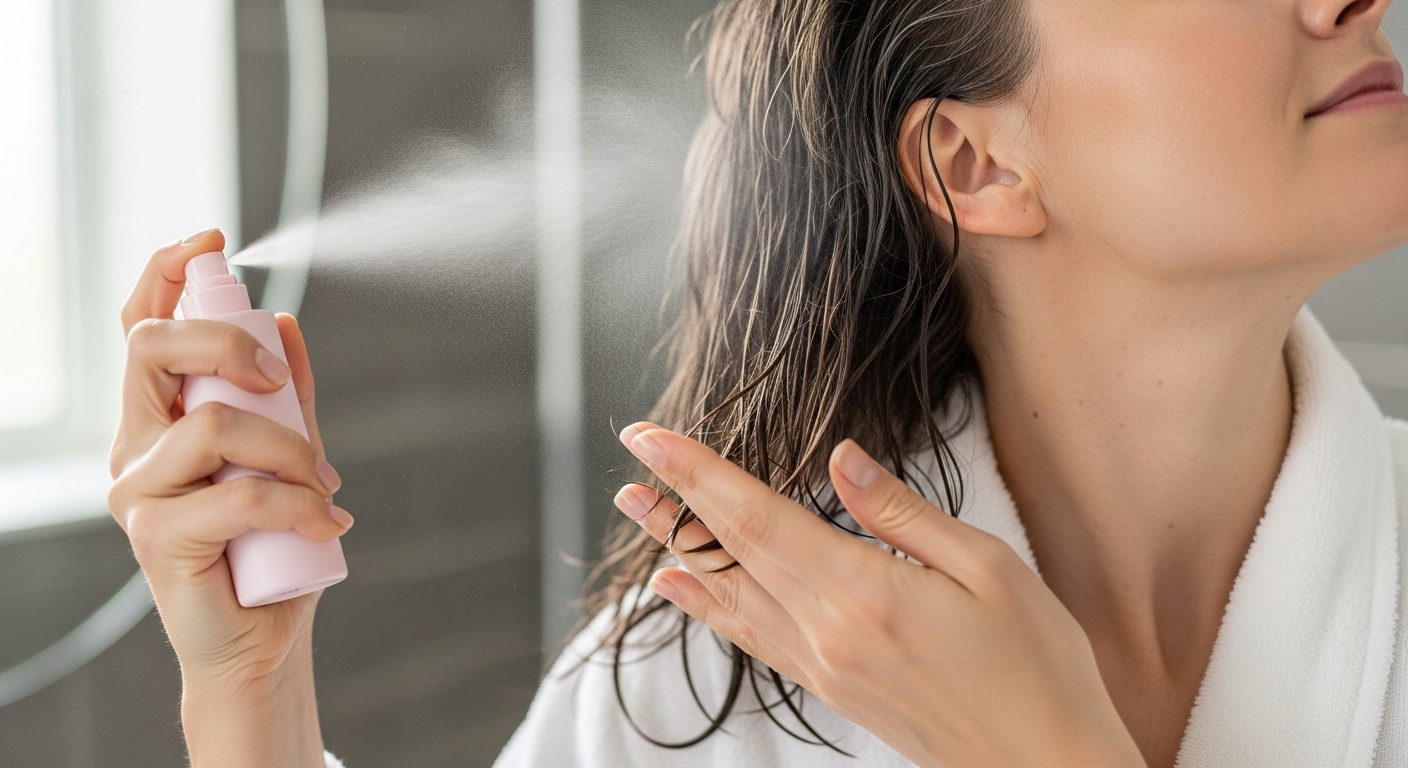
A recent personal account on Trybello’s blog documents a 16-week experience with a topical hair support spray formulated with biotin, caffeine, and castor oil. According to the narrative, reduced shedding was first observed around week four, with early signs of new hair growth emerging around week eight, and noticeable improvements in hair thickness by week twelve. While individual results vary and anecdotal accounts cannot replace controlled data, they offer a practical complement to clinical timelines, reinforcing that visible changes generally unfold over months rather than days. This type of case study helps consumers understand the real-life experience of using a product, helping mitigate expectations and ensure people stick with the treatment over the full four month time-frame.
Scientific literature supports the potential role of several naturally derived compounds in hair care. A systematic review published in the International Journal of Trichology reported that topical caffeine may help counteract follicular suppression associated with certain types of hair thinning. Similarly, small-scale studies have examined the effects of plant extracts such as pumpkin seed oil and rosemary oil on hair count, suggesting modest improvements in some cases. Biotin, often associated with hair strength, plays a role in keratin infrastructure, though its benefits are most marked when underlying deficiency is present.
These findings do not constitute blanket endorsements of any single product but do highlight why certain ingredients are commonly selected for long-term hair support regimens. Shoppers can, therefore, look for products that combine the most effective ingredients for greater success.
When choosing a hair growth or retention strategy, understanding both biological timing and ingredient impact is key. Products designed to support hair health should be evaluated on formulation quality, ease of integration into daily routines, and safety profile. Research-backed ingredients may offer benefits when used consistently, but they must work in harmony with the natural growth cycle.
Users of topical hair support solutions should view improvements as a gradual process — beginning with reduced shedding, progressing to early regrowth, and culminating in visible changes to density over multiple months. This perspective helps align expectations with biology rather than marketing timelines.
As research continues to explore the complex mechanisms of hair growth and follicle stimulation, personal experiences and clinical insights together help form a more nuanced understanding of hair health. Expert guidance from dermatologists and trichologists, combined with patient narratives, provides a framework that supports informed decision-making.
Rather than seeking instant solutions, individuals benefit from approaches that respect the pace of the hair growth cycle, leverage credible science, and emphasize consistency. By grounding choices in evidence and patience, improved hair health becomes clearer, measured, and ultimately more achievable.


