Between dump trailers, equipment haulers, and utility flatbeds, picking the wrong one can mean breakdowns mid-harvest or unsafe loads on the road. Here’s what to consider before you buy — from axle configurations to GVWR ratings and towing power.
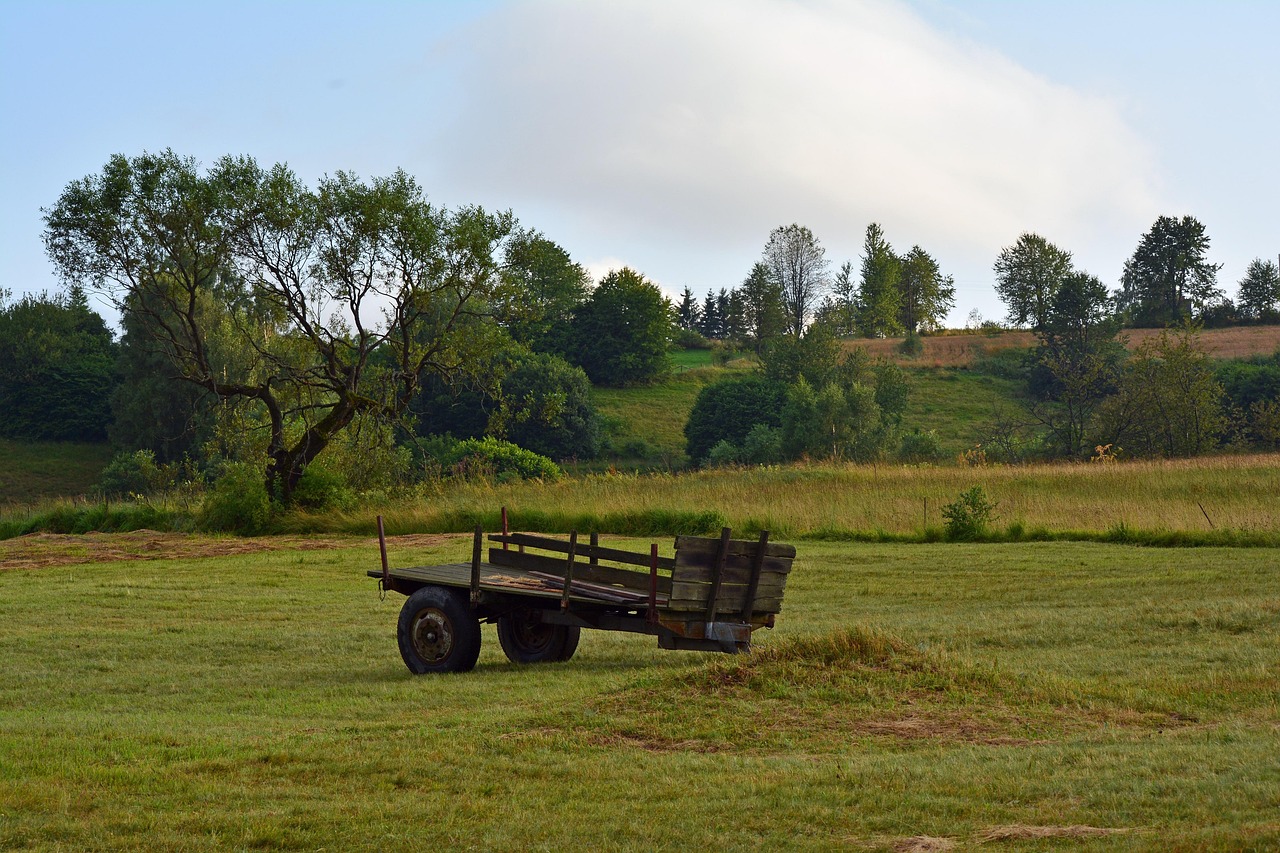
Selecting the right agricultural trailer can make the difference between smooth, efficient farm operations and costly breakdowns during critical harvest seasons. For farmers and transport crews, understanding trailer capabilities and matching them to specific operational needs ensures both productivity and long-term equipment reliability.
When shopping for agricultural trailers, construction quality matters more than almost anything else. MAXX-D trailers are engineered for heavy-duty applications, making them a popular choice for farming operations and commercial transport where durability is non-negotiable.
That focus on robust construction translates directly into real-world performance benefits. MAXX-D trailers feature heavy-duty axles, superior suspension systems, and durable powder coating that resists corrosion from fertilizers, road salt, and harsh weather conditions. This construction quality is vital for operations where trailers face everything from muddy field conditions to highway transport demands.
Modern farming operations require different trailer types depending on specific tasks and cargo requirements. Understanding these distinctions helps farmers and transport crews select equipment that maximizes efficiency while minimizing operational costs.
Dump trailers perform well at transporting bulk materials like grain, fertilizer, and seed. MAXX-D dump trailers feature hydraulic lift systems that provide controlled dumping for precise material placement. The reinforced construction handles the weight and abrasive nature of agricultural materials, while the smooth interior surfaces facilitate complete discharge without material buildup.
These trailers can be particularly valuable during harvest seasons when rapid grain transport from the field to storage is critical. The hydraulic systems allow for quick unloading, reducing downtime and keeping harvesting operations moving efficiently.
Equipment trailers serve as the backbone for moving farm machinery between fields, to repair facilities, or when purchasing new equipment. MAXX-D equipment trailers feature heavy-duty decking and reinforced frames capable of supporting tractors, combines, and other heavy machinery safely.
The low-profile design of many equipment trailers reduces loading angles, making it easier and safer to load heavy machinery. Integrated tie-down points and non-slip surfaces provide secure transport even over rough terrain or during adverse weather conditions.
Utility trailers offer versatility for farms with diverse hauling needs. These trailers handle everything from hay bales and livestock feed to building materials and maintenance supplies. MAXX-D offers utility trailers with configurable bed options that adapt to different cargo types, and some models may feature removable sides for enhanced versatility.
The multi-purpose nature of utility trailers makes them cost-effective investments for smaller operations or farms that require flexibility in their hauling capabilities. Their lighter construction compared to specialized trailers also means they can be pulled by smaller tractors or trucks.
Commercial transport crews require trailers built to withstand constant use and maximum payload capacities. MAXX-D trailers incorporate several design features that address the specific demands of professional hauling operations.
Gooseneck trailers offer superior weight distribution by positioning the hitch point over the rear axle of the towing vehicle. This design provides better stability during transport and allows for higher payload capacities compared to bumper-pull configurations. The improved weight distribution also reduces stress on the towing vehicle's rear suspension and provides better control during braking and cornering.
For transport crews hauling heavy equipment or materials regularly, gooseneck designs provide the stability and capacity necessary for safe, efficient operations. The higher payload capacity also means fewer trips, reducing fuel costs and improving operational efficiency.
Loading heavy equipment efficiently requires proper ramp systems. MAXX-D trailers often feature hydraulic dovetails that provide gentle loading angles and can support significant weight during the loading process. These systems reduce the physical strain on operators and minimize the risk of damage to expensive equipment during loading and unloading.
Various ramp options, including slide-out ramps and removable ramps, provide flexibility for different loading situations. Spring-assisted ramps reduce manual effort while maintaining durability under heavy use.
Selecting the appropriate trailer involves careful consideration of multiple factors that affect both performance and legal compliance. Understanding these relationships helps ensure optimal equipment selection.
Single-axle trailers offer excellent maneuverability and lower initial costs, making them suitable for lighter loads, typically handling up to 1.5 to 3.5 tonnes (approximately 3,500 to 7,000 pounds) total weight effectively.
Multi-axle trailers provide better load distribution and stability, essential for heavier payloads. Two-axle (tandem) configurations typically handle up to 18-20 tonnes, while three-axle or more configurations are necessary for loads exceeding 24 tonnes, especially in heavy-duty commercial applications. The additional axles also provide redundancy - if one tire fails, the remaining axles can safely carry the load to a repair facility.
Proper power matching ensures safe operation and prevents premature wear on towing vehicles, requiring careful consideration of the towing vehicle's horsepower in relation to the trailer's loaded weight and anticipated operating conditions.
Heavy-duty operations typically require substantial horsepower. These power requirements account not only for level highway driving but also for hill climbing, acceleration, and maintaining speed under varying load conditions.
Gross Vehicle Weight Rating (GVWR) represents the maximum safe operating weight for the trailer, including the trailer itself plus cargo. Understanding GVWR helps prevent overloading, which can lead to premature component failure, unsafe handling characteristics, and legal violations.
Proper load distribution involves positioning cargo to maintain appropriate tongue weight (typically 10-15% of total trailer weight) while keeping the load centered over the axles. Improper distribution can cause trailer sway, excessive tire wear, and reduced braking effectiveness.
The durability and reliability of agricultural trailers depend heavily on construction quality and material selection. MAXX-D's manufacturing approach prioritizes long-term performance under demanding conditions.
MAXX-D trailers utilize heavy-duty axles, such as Dexter axles, and offer various suspension systems, including adjustable and airbag options, designed for smooth operation and durability. Electric brake systems provide reliable stopping power and integrate seamlessly with towing vehicle brake controllers. Breakaway systems ensure trailer brakes engage automatically if the trailer becomes disconnected from the towing vehicle, providing a vital safety feature.
Their superior suspension systems are designed to improve tire contact with uneven surfaces, reducing tire wear and enhancing handling.
Professional powder coating provides superior corrosion resistance compared to traditional paint systems. This coating withstands exposure to fertilizers, road salt, and weather conditions that quickly deteriorate lesser finishes. The powder coating process also provides a more durable surface that resists chipping and scratching from normal use.
High-quality steel construction with appropriate thickness ensures structural integrity under maximum loads. Reinforced stress points and proper welding techniques prevent premature failure at connection points where forces concentrate during use.
Authorized MAXX-D dealers provide farmers and transport crews with more than just a transaction. Their expertise often extends to guidance on selecting the appropriate trailer configuration for specific applications.
With an understanding of local agricultural needs and operating conditions, dealerships can help customers avoid common pitfalls in trailer selection. Whether the requirement involves grain hauling during harvest season, equipment transport between job sites, or general-purpose utility work, experience with MAXX-D products ensures proper matching of equipment to application.


