Most men don’t realize there’s a fundamental difference between taking a testosterone supplement from the pharmacy and actual testosterone replacement therapy—and choosing the wrong one could mean months of wasted money with zero results. Here’s what actually works for diagnosed low testosterone.
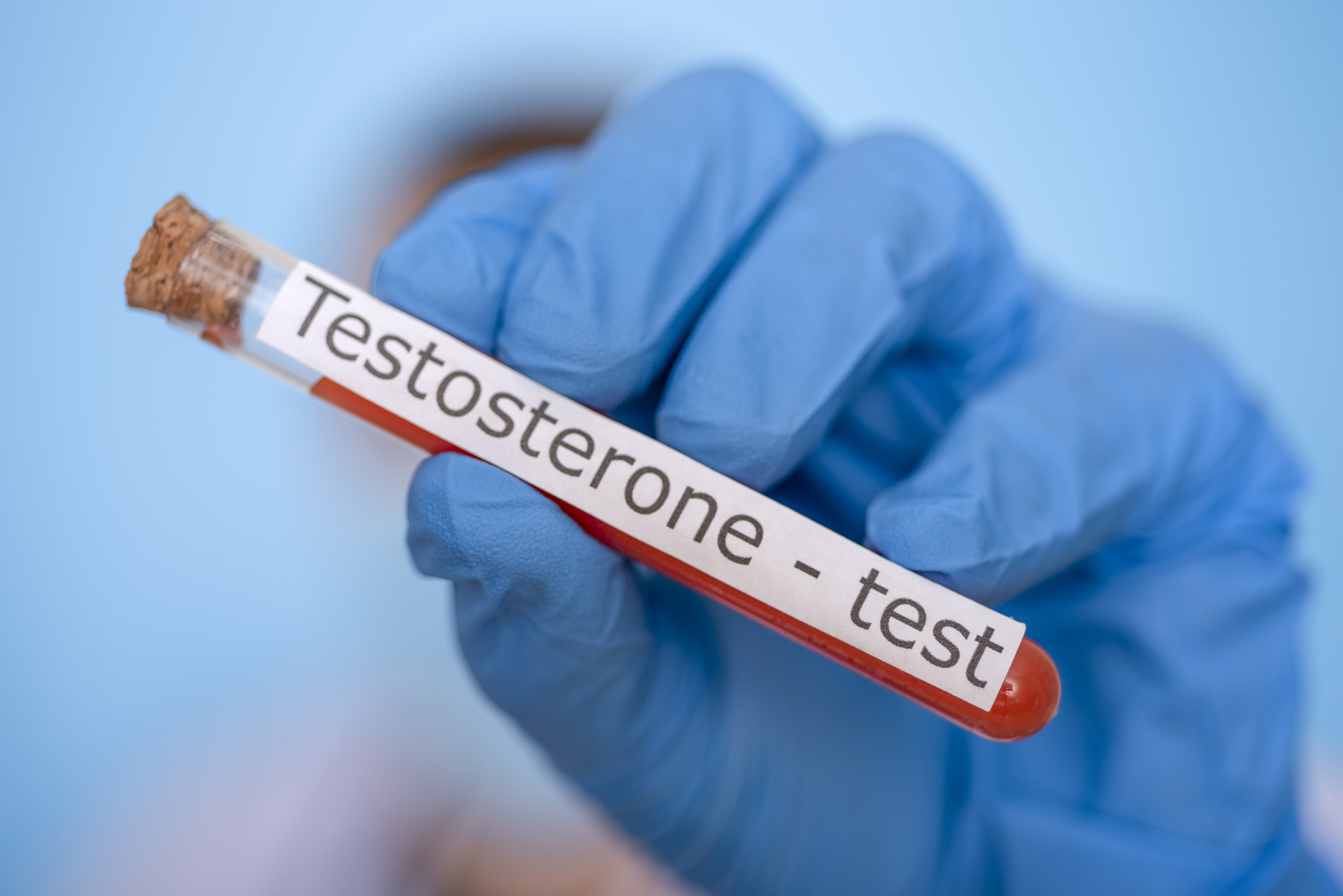
The distinction between testosterone replacement therapy and testosterone supplements extends far beyond their marketing claims. Understanding these fundamental differences empowers men experiencing low testosterone symptoms to make informed decisions about their health journey.
The core difference between testosterone replacement therapy and testosterone supplements lies in their fundamental approach to addressing low testosterone levels. TRT involves the direct administration of bioidentical testosterone that is chemically identical to the hormone naturally produced by the human body. This bioidentical testosterone bypasses the body's own production mechanisms, delivering measurable amounts of the hormone directly into the bloodstream through injections, gels, patches, or pellets.
Testosterone supplements, commonly marketed as "T-boosters," take an entirely different approach. These over-the-counter products typically contain vitamins, minerals, and herbal extracts that purport to support the body's own testosterone production rather than directly supplying the hormone. Common ingredients include D-aspartic acid, fenugreek, Tribulus Terrestris, zinc, magnesium, and ashwagandha—each claiming to influence various pathways involved in natural hormone production.
This fundamental mechanistic difference explains why TRT produces consistent, measurable results for men with diagnosed testosterone deficiency, while supplement effects remain highly variable and often modest.
The regulatory framework surrounding testosterone treatments creates stark differences in safety oversight and quality assurance between prescription TRT and over-the-counter supplements.
TRT requires a valid prescription from a medical practitioner, typically following evaluation by a specialist in sexual medicine, endocrinology, or urology. In Australia, testosterone is classified as a controlled substance, making it illegal to possess or supply without proper medical authorisation. This regulatory framework ensures that TRT reaches only those with genuine clinical need, as determined through medical assessment.
Testosterone supplements fall under dietary supplement regulations, which means they are not subject to the same strict approval processes as prescription medications. The Therapeutic Goods Administration (TGA) does not require supplement manufacturers to prove efficacy or undergo the same rigorous safety testing as prescription medications before reaching market shelves. This regulatory gap allows manufacturers to make testosterone-boosting claims without necessarily providing substantial scientific evidence.
TRT treatment involves mandatory blood testing protocols that monitor testosterone levels, complete blood count, prostate-specific antigen (PSA), and liver function. These tests typically occur every 3-6 months during treatment, though initial monitoring might be more frequent (e.g., every 6-8 weeks), allowing doctors to adjust dosing and identify potential side effects early. The monitoring ensures treatment remains both safe and effective throughout the patient's journey.
Supplement use generally requires no medical monitoring, which creates both convenience and risk. Whilst this lack of oversight appears more accessible, it means no healthcare professional tracks whether the product is working, monitors for side effects, or identifies potential interactions with other medications. This absence of medical supervision can delay appropriate treatment if underlying health issues require attention.
Medical practitioners conducting TRT evaluations perform risk assessments, including full medical history review, physical examination, and screening for contraindications. This thorough evaluation identifies men who should avoid testosterone therapy, such as those with prostate or breast cancer, untreated sleep apnoea, or severe heart conditions.
Over-the-counter supplements bypass this risk assessment step. Men can purchase and use testosterone supplements without medical evaluation, potentially missing important contraindications or underlying health conditions that require professional attention. This gap in medical oversight increases the risk of inappropriate use or delayed diagnosis of serious medical conditions.
Numerous clinical studies demonstrate TRT's effectiveness for men with confirmed hypogonadism. Research consistently shows improvements in symptoms such as low libido, erectile dysfunction, fatigue, mood disturbances, and bone mineral density when TRT restores testosterone to normal physiological levels. These benefits typically emerge within 3-6 weeks of beginning treatment, with maximum effects developing over 3-6 months of consistent therapy under medical supervision.
Case studies involving men with diagnosed hypogonadism have demonstrated significant improvements in quality of life and physical parameters after initiating medically supervised TRT. The bioidentical nature of the testosterone used in TRT ensures that the body receives exactly what it lacks, producing reliable and measurable therapeutic outcomes.
Many common ingredients in testosterone supplements have limited or inconsistent scientific evidence supporting their claims of significantly increasing testosterone levels in healthy men. D-aspartic acid, fenugreek, and Tribulus Terrestris—among the most popular supplement ingredients—show modest effects at best in clinical trials, and these effects are often temporary or inconsistent.
The long-term safety of testosterone supplements remains largely unknown due to the lack of rigorous clinical trials and post-market surveillance. This contrasts sharply with the extensive research database supporting TRT safety and efficacy when used appropriately under medical supervision.
TRT delivery methods are specifically designed to provide consistent and measurable doses of testosterone. Injectable testosterone, the most common and cost-effective method, delivers precise amounts at regular intervals. Transdermal gels and patches provide steady hormone absorption throughout the day, while subcutaneous pellets offer sustained release over several months.
Each TRT delivery method has been clinically tested and optimised to maintain stable testosterone levels within the normal physiological range. The predictable pharmacokinetics of these methods allow doctors to calculate appropriate dosing and adjust treatment based on blood test results and symptom response.
Supplement absorption and effectiveness depend heavily on individual body responses to various ingredients. Unlike the direct hormone delivery of TRT, supplements rely on the body's own endocrine system to respond to their ingredients, making their effects highly variable and often modest. Factors such as digestive health, nutrient absorption capacity, stress levels, and existing hormone balance all influence how well supplement ingredients work.
This variability means that supplements may produce different results in different men, with some experiencing minimal benefits whilst others report modest improvements. The indirect nature of supplement action makes it difficult to predict or guarantee therapeutic outcomes.
TRT can cause several side effects that vary depending on treatment approach and individual factors. Common considerations include acne and oily skin, sleep apnoea exacerbation in predisposed individuals, and potential breast enlargement due to testosterone conversion to oestrogen. More concerning side effects include elevated haematocrit (blood thickening), testicular shrinkage, and reduced sperm production.
The difference with TRT is that these side effects occur under medical supervision. Regular blood testing can identify issues like elevated haematocrit early, allowing for treatment adjustments before serious complications develop. Doctors can monitor prostate health through PSA testing and adjust dosing to minimise side effects whilst maintaining therapeutic benefits.
A significant risk associated with unregulated testosterone boosters is the potential for contamination with undeclared synthetic steroids or prohormones, which can lead to serious health issues. Regulatory bodies don't verify supplement contents before they reach the market, creating uncertainty about product purity and actual ingredients.
Some supplements contain potentially harmful compounds such as heavy metal contaminants or unlisted active ingredients that can cause unexpected effects without medical oversight. Potential side effects from supplement ingredients can include digestive distress, headaches, and sleep disturbances, but the lack of standardisation makes it difficult to predict individual responses and the long-term safety remains largely unknown.
In Australia, the Pharmaceutical Benefits Scheme (PBS) subsidises testosterone treatment for eligible patients who meet strict clinical criteria, including confirmed androgen deficiency with testosterone levels typically 6 nmol/L or lower for subsidy eligibility, and documented pathological basis rather than age-related decline alone. While a diagnosis of hypogonadism may be considered at levels below 8-12 nmol/L, the PBS subsidy has a stricter threshold. Medicare provides rebates for doctor consultations related to testosterone assessment and monitoring, though gap payments may apply depending on the practitioner's billing approach.
Injectable testosterone is typically the most cost-effective TRT option, with monthly costs ranging from $40-$100 without PBS, and potentially lower (e.g., $25-$40) with PBS coverage for eligible patients, depending on dosage and brand. Whilst transdermal gels and pellets tend to be more expensive, they offer convenience benefits that some patients find valuable.
Testosterone supplements generally cost between $30-$100 per month depending on quality and formulation. Whilst this appears cheaper initially, men often need to try multiple products over extended periods without guaranteed results. Insurance never covers supplements, making this an entirely out-of-pocket expense regardless of coverage.
The hidden cost of supplements lies in their uncertain effectiveness. Men may spend months or years purchasing different supplements without achieving meaningful results, accumulating significant expenses whilst potentially delaying appropriate medical treatment for underlying health conditions.
Licensed clinics operate as facilitators connecting men with diagnosed clinical testosterone deficiency to independent doctors who specialise in men's hormonal health through a telehealth model. The service states it maintains strict screening standards that prioritise medical appropriateness, aiming to ensure treatment reaches only those with genuine clinical need.
The assessment process requires recent blood work conducted within the past four months and involves thorough medical history review by independent doctors who examine multiple hormone markers rather than relying on single testosterone readings. With reputable providers, every treatment decision is made by independent medical practitioners who base their judgements on clinical evidence, without pressure to prescribe or financial incentives that might compromise medical judgement.


