Most homeowners discover too late that their initial repair quote doubles with restoration costs they never expected. This comparison guide reveals which method actually saves money, why both repairs last 50+ years, and what contractors won’t tell you about each option.
Your sewer line breaks at the worst possible time, flooding your yard with wastewater and destroying your property. Professional plumbers know that choosing between repair methods determines whether you'll spend days or weeks dealing with the mess.
Orange County homeowners often pick the wrong repair method because they don't understand how each one really works. Here's what separates a quick fix from a month-long nightmare that destroys your yard completely.
Property owners think all sewer repairs work the same way, but the method you choose affects everything about your life. Traditional digging tears up your entire yard, while trenchless technology fixes pipes through tiny access points that barely disturb anything. The wrong choice means weeks without working plumbing and thousands in unexpected costs you never budgeted for initially.
Traditional excavation seems cheaper at first, but then you add costs for fixing driveways, sidewalks, and landscaping afterward. You might save a thousand dollars on the repair, but spend five thousand more putting your property back together. Meanwhile, your family lives in a construction zone with dirt piles, heavy machinery, and workers tramping through constantly.
The mess goes beyond just your property when repairs hit sidewalks or streets that need city permits and inspections. Some repairs require coordinating with multiple departments, turning a simple fix into a bureaucratic nightmare lasting months. These hidden complications make choosing the right method crucial for avoiding massive headaches and unexpected expenses later on.
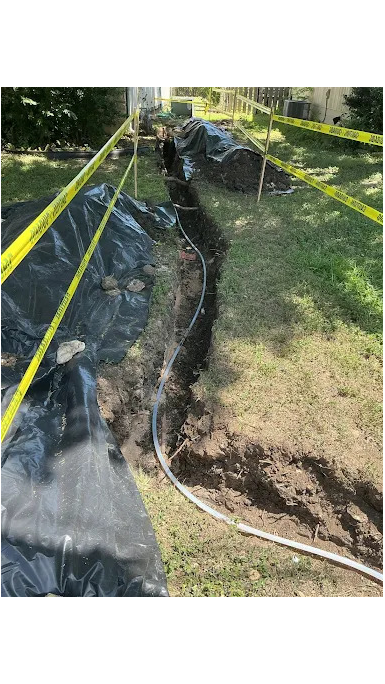
Traditional sewer repair means digging a massive trench from your house all the way to the street connection point. Workers use heavy equipment to tear through everything above the pipe, including driveways, walkways, and your landscaping. The process destroys everything in its path and leaves huge dirt piles covering your property for days.
This older method works by completely exposing the damaged pipe so workers can remove and replace it entirely. The digging alone takes several days, then workers spend more time installing new pipes and refilling the trenches properly. Your property looks like a disaster zone while crews work, and you can't use your plumbing normally during repairs.
After fixing the pipe, you still need to repair all the damage from digging up your yard completely. New concrete for driveways costs thousands, and replacing mature landscaping takes years to look normal again. The total timeline stretches from days of actual pipe work to weeks of restoration work, finishing everything up.
Trenchless repair starts with technicians inserting a small camera through existing cleanouts to inspect your pipes from the inside. They identify exactly where damage exists without digging random holes, hoping to find the problem areas quickly. High-pressure water jets clean out roots, debris, and buildup so repairs can bond properly to pipe walls.
The main repair happens through either pipe lining or pipe bursting, depending on what your situation needs most. Pipe lining creates a new pipe inside your old one using special resin that hardens into a smooth surface. Pipe bursting breaks the old pipe apart while pulling a brand new pipe through the same underground path simultaneously.
These repairs need only one or two small access points instead of destroying your entire yard with trenches everywhere. Most jobs finish in just hours, though complicated repairs might take a couple of days at most to complete. Your lawn stays intact, your driveway remains usable, and life continues almost normally during the whole repair process.
The price tag on traditional excavation looks lower until you add up all the extra expenses nobody mentions initially. Trenchless repairs cost more for the actual pipe work because the equipment and training required are highly specialized. But traditional repairs create thousands in additional costs for fixing everything the digging destroyed on your property afterward.
Consider these real costs when comparing your options to understand what you'll actually spend on each method:
Traditional Excavation Total Costs:
Trenchless Repair Investment:
Traditional excavation becomes necessary when pipes have completely collapsed or need total replacement due to multiple failure points throughout. If your pipe sits in an open area without buildings or expensive landscaping above, digging might work fine. Some older pipe materials or local building codes might require traditional replacement methods regardless of your preferences.
Properties with easy access and minimal restoration needs can save money by choosing traditional excavation over trenchless methods entirely. When the damaged section sits under a basic lawn area, the restoration costs stay manageable and reasonable. Traditional methods also allow visual inspection of surrounding soil conditions that might cause future problems if left unaddressed.
Trenchless repair saves money when pipes run under driveways, patios, mature trees, or expensive landscaping you want preserved intact. Most pipe problems involve cracks, root intrusion, or minor breaks that trenchless methods handle perfectly well without issues. The faster completion time matters when you run a home business or can't afford extended disruption to daily life.
Older neighborhoods with established landscaping benefit most from trenchless repairs that preserve decades of growth and property character completely. The minimal disruption protects your property value while solving the immediate problem quickly and efficiently for everyone involved. Smart homeowners weigh both immediate costs and long-term property impact when choosing between these two very different approaches.
Both repair methods create solutions lasting fifty years or more when contractors use quality materials and proper installation techniques throughout. Trenchless repairs using epoxy linings or high-density polyethylene resist roots and corrosion better than many original pipe materials do. Traditional replacement with modern PVC or similar materials also provides decades of reliable service when installed correctly by professionals.
The durability depends more on installation quality than the method chosen, making contractor selection critically important for long-term success. Poor installation of either method leads to early failure and expensive repairs that could have been avoided entirely. Professional contractors warranty their work and use materials meeting industry standards for your specific soil and water conditions locally.
Regular maintenance keeps either repair type functioning properly through periodic inspections and cleaning that prevent major problems from developing. Tree roots, ground shifting, and pipe joints all need monitoring regardless of which repair method you originally chose. Understanding these maintenance needs helps you protect your investment and avoid emergency repairs that always cost more than planned work.
Understanding each method's real advantages and limitations helps you make informed decisions that protect your investment while solving the immediate problem. The right approach depends on your specific situation, including pipe condition, property layout, and long-term plans for the space.
Expert plumbers such as Suburban Plumbing help you weigh all factors, including cost, time, and property impact, to find the best path forward. Their guidance ensures you avoid common mistakes while getting repairs that last for decades with minimal disruption to your life.


