Master your Turkey Trot half marathon preparation with proven training strategies, nutrition tips, race day tactics, and expert guidance for first-time participants seeking holiday running success.
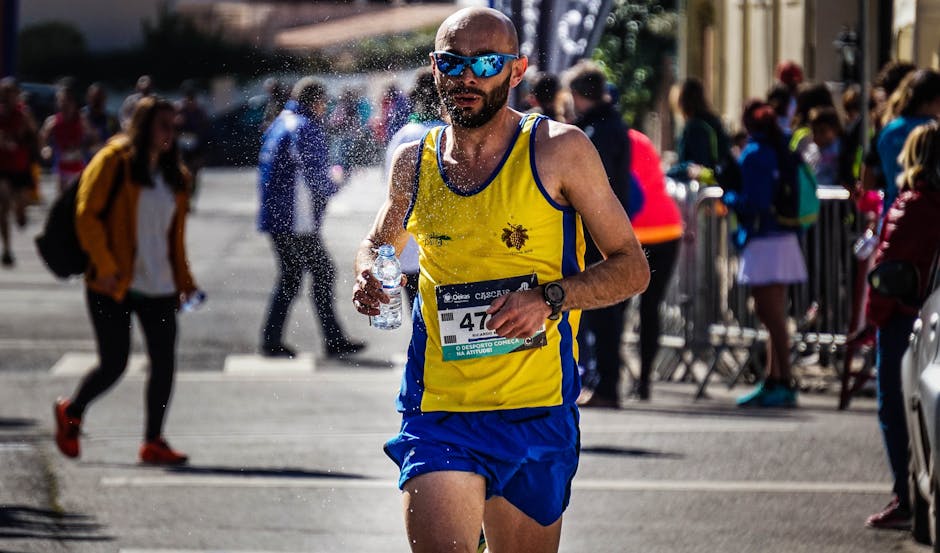
Every November, approximately 1.1 million Americans lace up their running shoes for Turkey Trot races across the country. Yet here's the surprising part: nearly 60% of these participants have never completed a half marathon distance before. You might be one of them, staring at that 13.1-mile commitment wondering if you've lost your mind somewhere between the pumpkin spice and cranberry sauce.
The truth is, Turkey Trot half marathons present unique challenges that regular races don't. You're dealing with colder weather, potential family obligations, holiday eating schedules, and the psychological pressure of performing in front of relatives who still remember when you couldn't run to the mailbox without wheezing.
Most people decide to run a Turkey Trot sometime in October, giving themselves roughly six weeks to prepare for 13.1 miles. This creates a perfect storm of overtraining, injury risk, and disappointment. Your body needs adequate time to adapt to the demands of distance running.
You're training during the season of candy corn, Halloween parties, and pre-Thanksgiving gatherings. Your nutrition gets wonky right when your body needs consistent fuel for longer runs. Many runners either restrict too much or give up entirely on healthy eating.
November weather varies dramatically depending on your location. You might face anything from 70-degree sunshine to 30-degree wind and rain. First-timers often prepare for one scenario and get blindsided by conditions they never trained in.
Before you download any training plan, evaluate your current fitness level honestly. "If you can comfortably run three miles without walking, you have a solid foundation for half marathon training," suggests Epic Sports Marketing, which organizes a Turkey Trot half marathon in North Carolina. "If you're starting from zero miles, consider dropping down to the 5K or 10K distance for this year."
Record your current weekly mileage and longest recent run. This baseline determines whether you need a 12-week beginner plan or can handle a more aggressive 8-week schedule.
Your training should follow the 10% rule - increase your weekly mileage by no more than 10% each week. Start with three running days per week, focusing on building your aerobic base before adding speed work or hill training.
Week 1-4: Build your base with easy runs ranging from 2-4 miles. Your longest run should reach 5 miles by week 4. Focus on running at a conversational pace where you could chat with a friend.
Week 5-8: Introduce one tempo run per week at a "comfortably hard" pace. Your long runs should progress to 8 miles. Add hill repeats once per week to build strength.
Week 9-11: Peak training weeks with long runs reaching 10-12 miles. Include race pace segments during your long runs to practice your goal pace.
Week 12: Taper week with reduced mileage to arrive at the start line fresh and ready.
Halloween candy and training runs don't mix well, but completely restricting treats during the holidays isn't realistic either. Plan your indulgences around your training schedule. Save the good stuff for post-workout rewards when your body can actually use those simple carbohydrates.
Focus on consistent pre-run and post-run nutrition. Eat a small snack containing carbohydrates and protein 1-2 hours before longer runs. Within 30 minutes after runs longer than 6 miles, consume a recovery snack or meal.
The week before your Turkey Trot, gradually increase your carbohydrate intake while maintaining protein and healthy fats. This isn't about stuffing yourself with pasta - it's about ensuring your muscle glycogen stores are fully stocked.
Skip the traditional Thanksgiving Eve dinner blowout. Stick to familiar foods that you know agree with your digestive system. Save the experimental sweet potato casserole for post-race celebration.
Check the weather forecast daily during race week, but prepare for conditions to change. Dress as if it's 15-20 degrees warmer than the actual temperature - you'll heat up quickly once you start running.
Layer your clothing so you can remove items as you warm up. Avoid cotton materials that retain moisture. If temperatures drop below 40 degrees, protect your extremities with gloves and a hat you can easily stuff in your pocket.
Start conservatively - much more conservatively than you think you should. Your goal for the first half marathon should be finishing comfortably, not setting personal records. Plan to run the first 6 miles at a pace that feels almost too easy.
Use the run-walk method if needed. Many successful half marathoners incorporate walking breaks from the start rather than waiting until they're exhausted. Try running 4 minutes and walking 1 minute throughout the entire race.
Experienced race organizers understand the unique challenges of Turkey Trot events. They design courses that accommodate the holiday timeline and provide resources that help first-time participants succeed. Look for events that offer pre-race clinics, pacing groups, and detailed course information.
Professional race management companies bring years of experience in creating positive first-time racing experiences. They understand that your Turkey Trot might be the gateway to a lifelong running habit, so they focus on education and support rather than just logistics.
The best Turkey Trot organizers also connect their events to community causes, giving your miles additional meaning beyond personal achievement. This community aspect often provides the extra motivation needed during those tough middle miles.
Training for your first Turkey Trot half marathon requires patience, consistency, and realistic expectations. Start your preparation early, listen to your body, and remember that finishing is the real victory. The holiday season adds complexity to your training, but it also provides built-in motivation and celebration.
Focus on building a sustainable running routine that extends beyond Thanksgiving morning. Your Turkey Trot can become the annual milestone that keeps you active and healthy throughout the year.
You should allow at least 12 weeks of consistent training if you're starting from a base of being able to run 3 miles comfortably. If you're completely new to running, consider starting with a 5K or 10K distance for your first Turkey Trot, then work up to the half marathon distance the following year.
Eat a familiar breakfast 2-3 hours before race start time and choose easily digestible carbohydrates like oatmeal with banana, toast with honey, or a bagel. Avoid high-fiber, high-fat, or completely new foods and drink 16-20 ounces of water, but stop drinking large amounts 1 hour before the race to avoid bathroom issues.
Start conservatively and aim to run the first half of the race at a pace that feels comfortable and sustainable. You should be able to hold a conversation during the first 6-7 miles. If you feel good at mile 10, you can gradually pick up the pace. Remember, your goal is to finish strong and enjoy the experience.
Research local running events through established race management companies that specialize in holiday races. Look for events that provide detailed course information, offer multiple distance options, and have positive reviews from previous participants. Many professional race organizers maintain websites with race details and registration information.


