Dealing with thinning hair? A 2015 study found that one common kitchen herb performed just as well as Rogaine in clinical trials—and there are four other natural methods that can transform your scalp health in as little as four minutes daily.
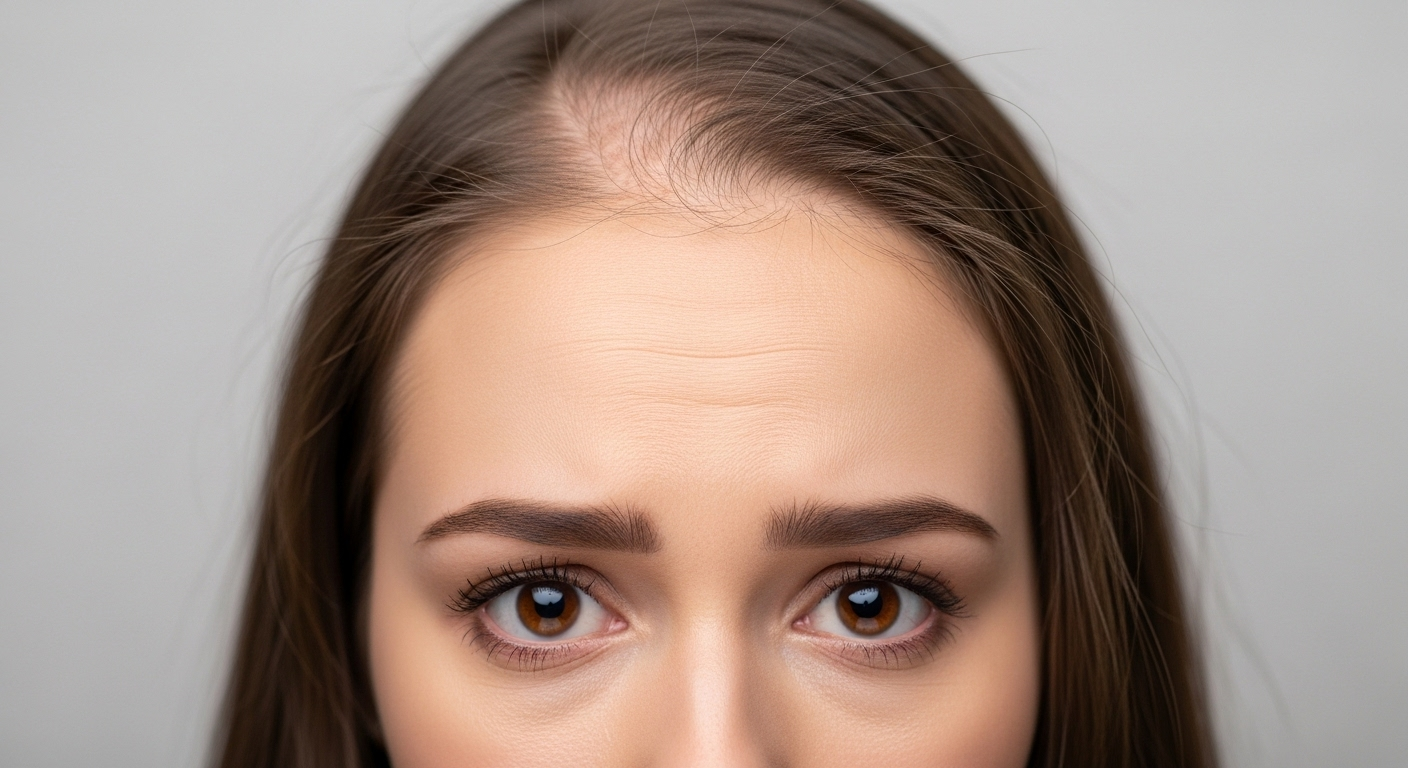
Hair thinning doesn't have to be inevitable. While genetics and hormones play a role, the condition of your scalp and the nutrients feeding your hair follicles have a significant impact on hair thickness. Natural approaches focusing on scalp nourishment and circulation can effectively stimulate new growth and strengthen existing strands.
The scalp serves as the foundation for healthy hair growth, functioning much like fertile soil in a garden. When the scalp environment lacks proper nourishment or suffers from poor circulation, hair follicles become weakened and produce thinner, more fragile strands. Research shows that scalp conditions directly influence the hair growth cycle, with healthy follicles supporting thicker hair growth compared to those in compromised scalp environments.
Blood flow to the scalp delivers oxygen and essential nutrients that hair follicles need to function optimally. When circulation is restricted, follicles enter a shortened growth phase and produce weaker hair. This explains why scalp massage and circulation-boosting treatments can have such dramatic effects on hair thickness and density.
Additionally, the scalp's pH balance and oil production directly affect hair strength. An imbalanced scalp creates an environment where hair becomes brittle and prone to breakage, leading to the appearance of thinning even when follicles are still active.
Nutritional deficiencies rank among the most common yet overlooked causes of hair thinning in women. Unlike genetic hair loss, nutrient-related thinning can be completely reversed with the right supplementation and dietary changes.
Iron deficiency is a common and overlooked cause of hair thinning in women and directly contributes to hair loss because hair follicles are among the most metabolically active cells in the body. Iron transports oxygen to these highly active cells, and without adequate levels, follicles can't maintain their normal growth cycle.
Women with low iron stores commonly experience increased hair shedding as a symptom of deficiency. The connection is so strong that correcting iron levels can restore normal hair growth. Rich dietary sources include lean red meat, spinach, lentils, and pumpkin seeds.
Vitamin D plays a crucial role in hair follicle proliferation and is frequently deficient in individuals experiencing hair loss conditions like alopecia areata. This vitamin helps create new hair follicles and extends the growth phase of existing ones.
Studies reveal that women with hair loss often have significantly lower vitamin D levels compared to those with healthy hair. Sun exposure, fatty fish, and fortified foods can help maintain adequate levels, though supplementation may be necessary for optimal hair growth.
B-vitamins, particularly biotin (B7), are essential for keratin production - the primary protein that makes up hair strands. While biotin deficiency is relatively rare, adequate B-vitamin intake is important for optimal hair health.
Other crucial B-vitamins include B12, which helps create red blood cells that carry oxygen and nutrients to hair follicles, and B6, which supports amino acid metabolism for keratin production. B12 deficiency can lead to premature graying and thinning, while B6 deficiency may contribute to hair thinning. Eggs, leafy greens, and whole grains provide excellent sources of B-vitamins.
Omega-3 fatty acids possess powerful anti-inflammatory properties that help minimize oxidative stress and provide essential nourishment to hair follicles. These healthy fats found in salmon, herring, and flaxseeds help maintain scalp health and support the hair growth cycle.
Chronic inflammation can disrupt normal hair growth patterns, leading to increased shedding and reduced hair thickness. Regular omega-3 consumption helps create an optimal environment for hair growth while protecting existing strands from damage.
Essential oils offer a natural, scientifically-backed approach to stimulating hair growth and improving scalp health. Unlike synthetic treatments, these plant-derived compounds work by enhancing circulation and providing direct nourishment to hair follicles.
Similar to recently proven efficacy of caffeine in hair loss, a 2015 study demonstrated that rosemary oil showed similar results to 2% minoxidil in treating androgenetic alopecia after six months of consistent application, though the study involved a relatively small sample size of 100 men and lacked a placebo group. This makes rosemary oil one of the most scientifically validated natural hair growth treatments available.
Lavender oil is often associated with soothing and anti-inflammatory properties, while castor oil is known for its moisturizing qualities and ricinoleic acid content, which some believe may aid circulation. These oils can complement rosemary oil or caffeine treatments for better scalp health.
When used consistently as part of a natural hair care routine, these essential oils may help create a healthier scalp environment that supports hair growth and reduces hair fall over time.
Scalp massage represents one of the simplest yet most effective natural treatments for improving hair thickness. This technique requires no special equipment or products - just dedicated daily practice.
A 2016 study involving men showed significant improvement in hair thickness after 24 weeks of daily 4-minute scalp massages. The treatment works by enhancing blood circulation to hair follicles, delivering more oxygen and essential nutrients that support overall hair health and growth.
Regular scalp massage also helps stretch the cells of hair follicles, which may stimulate them to produce thicker hair strands. The mechanical stimulation appears to activate cellular pathways involved in hair growth, making this one of the most accessible natural treatments available.
Effective scalp massage involves using fingertips (never nails) to apply gentle, circular pressure across the entire scalp. Start at the hairline and work systematically toward the crown, spending about 30 seconds on each section. The pressure should feel comfortable and relaxing, never painful.
For best results, perform the massage on dry hair before washing, as this allows for better grip and more effective stimulation. Some women prefer to combine scalp massage with essential oils, which can enhance the circulation benefits while providing additional nourishment to the scalp.
Nutrition plays a fundamental role in hair health, with specific foods providing the building blocks necessary for strong, thick hair growth. A strategic approach to eating can significantly impact hair thickness and growth rate.
Hair is primarily made of protein, mainly keratin, making adequate protein intake essential for healthy hair growth. Women need roughly 0.8 grams of protein per kilogram of body weight daily to support overall health and hair growth.
Excellent protein sources for hair health include eggs (which also provide biotin), lean meats, fish, legumes, and quinoa. Complete proteins containing all essential amino acids are particularly beneficial, as they provide the full spectrum of building blocks needed for keratin synthesis.
Antioxidant-rich foods help protect hair follicles from oxidative stress and free radical damage that can accelerate hair aging and thinning. Colorful fruits and vegetables provide the highest concentrations of these protective compounds.
Berries, leafy greens, nuts, and seeds offer powerful antioxidants like vitamin C, vitamin E, and selenium that support scalp health. Adequate hydration also plays a crucial role, as proper water intake supports the circulatory system responsible for delivering nutrients to hair follicles and promoting consistent hair growth.
Implementing natural hair growth strategies requires patience and consistency, but the results can be transformative. This is why several leading haircare providers are embracing this science-backed natural approach to their products. Women may begin noticing some improvements in hair texture within several weeks, though significant changes in hair growth and reduced shedding typically take 3-6 months of consistent natural approaches.
Success depends on addressing multiple factors simultaneously - improving scalp circulation through massage, providing essential nutrients through diet and supplementation, using proven essential oils, and maintaining overall scalp health. This holistic approach addresses the root causes of hair thinning rather than just masking symptoms.
The beauty of natural hair growth methods lies in their safety and sustainability. Unlike harsh chemical treatments that can cause long-term damage, these gentle approaches work with the body's natural processes to restore optimal hair health and thickness.


