Left-handed guitarists no longer have to settle for limited options—the market has exploded with quality choices across every budget. But which expert-recommended models actually deliver on their promises, and what crucial factors are southpaw players still overlooking?
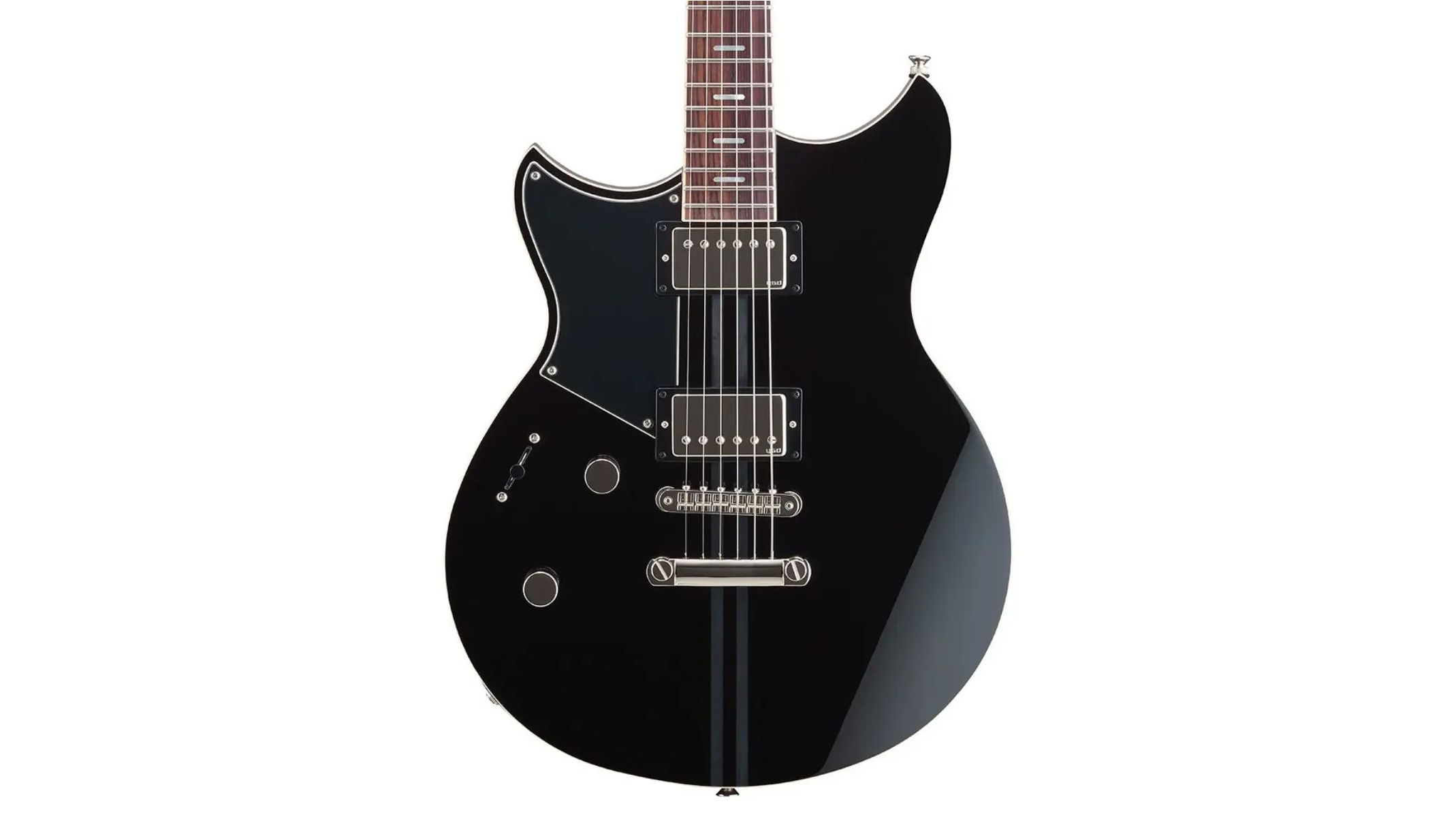
The market for left-handed electric guitars has transformed dramatically over the past few years. What once felt like a limited selection of black Stratocasters and red SGs has blossomed into a diverse marketplace offering everything from vintage-inspired classics to modern metal machines. Major manufacturers now recognize that left-handed players represent a significant market segment worth serving properly.
This evolution means beginner left-handed guitarists no longer need to compromise on style, tone, or build quality. The days of settling for whatever was available in southpaw configuration are over. Today's market offers left-handed versions across virtually every price range and musical genre, from country twang to crushing metal riffs.
Experts consistently point toward specific models that deliver exceptional value, playability, and sound quality for newcomers to the instrument. Sam Ash's extensive electric guitar selection reflects this improved market, offering left-handed players access to the same quality instruments that right-handed players have always enjoyed. The key lies in understanding which models truly excel for beginners versus those that simply exist in left-handed configurations.
The Yamaha Pacifica 112J II receives widespread praise from guitar experts as an outstanding beginner left-handed electric guitar. This instrument represents everything a newcomer needs: reliable tuning stability, comfortable playability, and versatile tones that work across multiple musical styles. Yamaha's reputation for consistent quality control means every Pacifica that leaves the factory meets strict standards, eliminating the quality lottery that sometimes affects budget instruments.
The Pacifica 112J II addresses common beginner frustrations through thoughtful design choices. The neck profile strikes an ideal balance between comfortable grip and proper technique development, while the fret work allows smooth transitions up and down the fingerboard. The guitar's weight distribution feels natural in playing position, reducing fatigue during extended practice sessions.
Tuning stability ranks among the most critical factors for beginner success, and the Pacifica excels here. The machine heads hold tune reliably, even after aggressive playing or temperature changes. This reliability means beginners spend more time playing and less time constantly retuning, maintaining practice momentum and reducing early frustration.
The tonal versatility of the Pacifica 112J II impresses both beginners and seasoned players. The HSS pickup configuration (humbucker at the bridge, single coils at middle and neck positions) provides access to everything from clean jazz tones to saturated rock sounds. The five-way pickup selector offers distinct sonic territories, allowing beginners to explore different musical styles without needing multiple guitars.
Electronics quality exceeds expectations at this price point. The pickups deliver clear, articulate sound through both clean and overdriven amplifier settings. Volume and tone controls respond smoothly, providing intuitive sound shaping that helps beginners understand how pickup selection and control adjustments affect their tone.
The sub-$500 category offers remarkable value for left-handed beginners willing to invest slightly more than entry-level pricing. These instruments often include features typically found on more expensive guitars, making them excellent long-term investments that can grow with developing skills.
The Squier Classic Vibe 50s Telecaster brings authentic vintage character to the budget category. This instrument features historically accurate details like a solid body construction and three-saddle bridge, delivering genuine 1950s Telecaster tone and feel. The vintage-correct specifications actually make this Squier more period-accurate than many higher-priced Fender models that incorporate modern conveniences.
Alnico pickup magnets elevate the sound quality significantly above typical ceramic pickups found in budget guitars. These pickups produce the distinctive Telecaster "twang" while maintaining clarity across the frequency spectrum. The maple neck provides bright, snappy tone that cuts through band mixes effectively, making this an excellent choice for beginners interested in country, rock, or indie music styles.
Jackson's JS32 DKA Dinky caters specifically to beginners gravitating toward harder rock and metal styles. The guitar includes signature Jackson features like the pointed headstock and shark-fin inlays, providing authentic brand aesthetic at an accessible price point. High-output pickups deliver the aggressive tone needed for distorted playing styles.
The Floyd Rose locking tremolo system, while initially more complex for beginners to set up and maintain, offers dive-bomb effects and superior tuning stability during aggressive playing. Players interested in rock and metal techniques will appreciate having access to these performance features from the beginning of their guitar journey. The bolt-on neck construction provides excellent sustain and resonance despite the budget-friendly price tag.
The Squier Affinity Stratocaster represents the most accessible entry point into the Fender family for left-handed players. While positioned as an entry-level instrument, the Affinity series delivers solid reliability and playability. The familiar Stratocaster body shape and control layout provide an intuitive introduction to electric guitar fundamentals.
Three single-coil pickups offer classic Stratocaster versatility, from glassy clean tones to singing lead sounds. The tremolo system allows beginners to experiment with vibrato effects while learning proper technique. Quality control has improved significantly in recent years, making the Affinity series a dependable choice for budget-conscious beginners seeking authentic Fender DNA.
The $500-$800 price range represents the sweet spot for serious beginners and advancing players. Instruments in this category typically feature upgraded components, superior craftsmanship, and enhanced playability that justifies the additional investment.
The Fender Player II Stratocaster combines classic Fender heritage with modern performance enhancements. This guitar features a vintage-correct body size and the beloved "spaghetti" logo headstock, maintaining visual authenticity while incorporating contemporary improvements. The alnico pickup set delivers exceptional tonal range, often eliminating the need for immediate upgrades that many players automatically assume they'll need.
Modern appointments include a reliable two-point tremolo system that improves tuning stability over vintage six-point designs. The thin C-shaped neck profile, 9.5-inch fingerboard radius, and medium jumbo frets create a contemporary playing feel that accommodates various hand sizes and playing styles. These specifications make complex chord work and lead playing equally comfortable.
The PRS SE Custom 24 Lefty stands out as among the most versatile left-handed electric guitars available under $1,000. Paul Reed Smith's design philosophy emphasizes both visual beauty and sonic flexibility, resulting in an instrument capable of handling any musical genre convincingly. The 24-fret neck provides extended range for lead playing while maintaining comfortable lower register access.
The coil-tap feature allows the humbucker pickups to split into single-coil mode, effectively providing six different pickup combinations. This versatility means beginners can explore vastly different tonal territories within a single instrument. The wide-thin neck profile accommodates various playing styles, from rhythm chunk to fluid lead work, making it an excellent choice for players still discovering their musical preferences.
Left-handed guitar selection involves unique considerations beyond simply finding a mirror image of right-handed models. Understanding these factors helps ensure the chosen instrument supports rather than hinders musical development.
Scale length significantly impacts playability, especially for players with smaller hands or shorter fingers. Standard scale lengths range from 24.75 inches (Gibson-style) to 25.5 inches (Fender-style), with shorter scales generally feeling more comfortable for players with smaller hands. The reduced string tension on shorter scales also makes bending and fretting easier for beginners still developing finger strength.
Neck profile variations affect comfort and technique development. C-shaped profiles offer balanced comfort for most hand sizes, while thinner profiles benefit players with smaller hands or those preferring faster playing styles. Conversely, chunkier neck profiles provide more substantial grip that some players find more comfortable for rhythm playing and chord work.
Manufacturers like Ibanez offer specifically designed options for smaller-handed players, including reduced body sizes and shorter scale lengths. The Ibanez GRGM21, for example, features a compact design that makes it particularly suitable for younger players or adults with smaller hands who find full-size guitars uncomfortable.
Complete starter packages offer convenience and value for absolute beginners by including essential accessories like amplifiers, cables, picks, and straps. These packages eliminate guesswork about compatibility and ensure all necessary components work together effectively. The included amplifiers, while basic, provide adequate sound quality for home practice and early performances.
Individual guitar purchases allow more precise selection of specific models and higher-quality components. This approach benefits players who have specific tonal goals or who already own some guitar equipment. The additional investment in a better standalone guitar often provides superior long-term value through improved playability and sound quality.
Package amplifiers typically offer more basic tonal shaping and lower power output, which can become limiting factors as playing skills develop. However, the immediate playability and cost savings make packages attractive for beginners uncertain about their long-term commitment to guitar playing.
The current market offers left-handed players unprecedented choice and quality across all price ranges. Success in selecting the right instrument depends on honest assessment of musical goals, budget constraints, and physical comfort requirements. Trying multiple instruments remains crucial, as individual preferences for neck feel, body weight, and tonal character vary significantly between players.
Expert recommendations provide valuable guidance, but personal comfort and inspiration ultimately determine the best choice. The guitar that motivates consistent practice and musical exploration serves the beginner better than any technically superior instrument that feels uncomfortable or uninspiring. Today's market ensures that left-handed players can find instruments that excel both technically and inspirationally.
The improved availability means patient shoppers can find exactly the right combination of features, aesthetics, and budget considerations. This patience often rewards players with instruments they'll treasure for years rather than quickly outgrow. For expert guidance in choosing your perfect left-handed electric guitar, check out a reputable store such as Sam Ash, where their inventory and knowledgeable staff can help match you with the ideal instrument for your musical journey.


