The 2025 microphone market offers studio-quality recording at surprisingly affordable prices, but choosing between dynamic and condenser mics can make or break your home productions. Here’s what separates the budget champions from expensive disappointments.
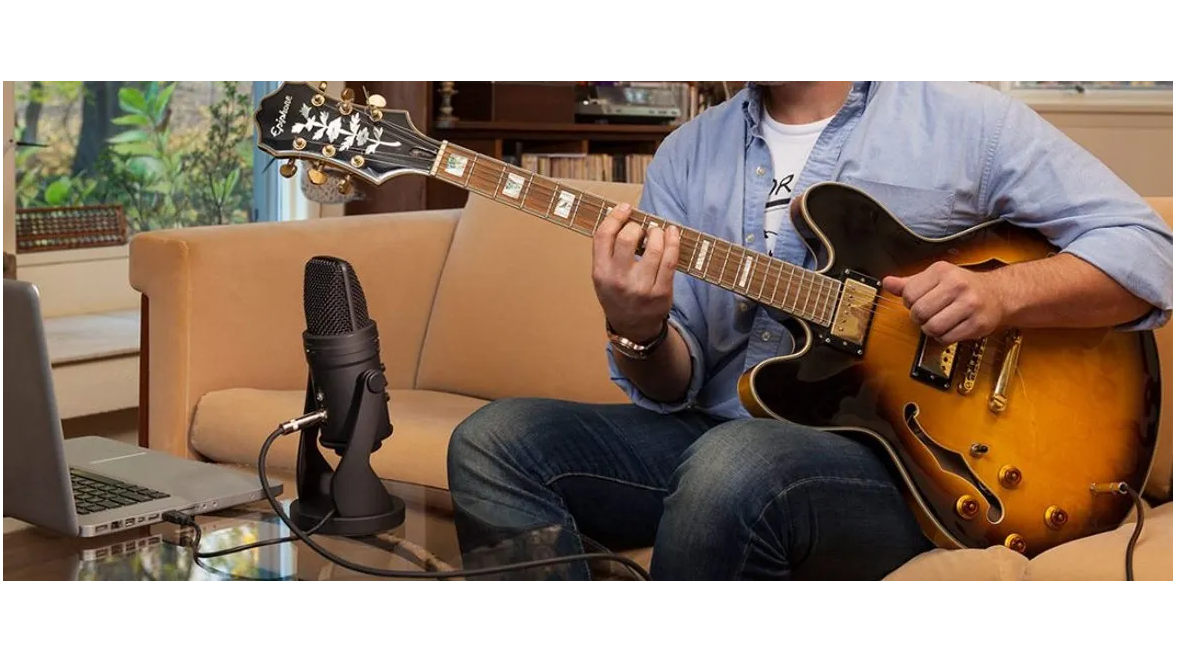
Creating professional-sounding recordings doesn't require emptying your bank account. The microphone market has evolved dramatically, offering exceptional budget options that deliver studio-quality results for home producers and content creators. Whether you're laying down vocal tracks in your bedroom or capturing guitar riffs in your garage, the right microphone can transform your recordings from amateur demos to polished productions.
Understanding the fundamental differences between dynamic and condenser microphones is crucial for making the right choice for your recording needs. Dynamic microphones use a simple magnetic coil system that makes them incredibly durable and capable of handling high sound pressure levels without distortion. This robust design makes them perfect for recording loud sources like guitar amplifiers, snare drums, and brass instruments.
Condenser microphones operate using capacitor plates and require phantom power from your audio interface or mixer. Their high sensitivity and wider frequency response make them ideal for capturing detailed vocals, acoustic guitars, and subtle instrumental nuances in controlled studio environments. However, this sensitivity also means they pick up more room noise and handling vibrations.
The choice between dynamic and condenser often comes down to your recording environment and source material. , helping musicians find the perfect match for their specific recording applications and budget constraints.
The Shure SM58 has earned its legendary status through decades of reliable performance in studios and on stages worldwide. This dynamic microphone features a cardioid polar pattern that focuses on vocals while rejecting background noise, making it perfect for recording in less-than-perfect acoustic environments. Its built-in pop filter helps minimize plosive sounds, though an external pop filter may provide additional benefit for close-proximity vocal recording.
What sets the SM58 apart is its incredible durability—these microphones can survive drops, moisture, and extreme temperatures while maintaining consistent audio quality. Professional studios often keep dozens of SM58s on hand because they work reliably on vocals, guitar cabinets, and even drum kits. The frequency response of 50 Hz to 15 kHz provides excellent vocal clarity with just enough presence boost to cut through dense mixes.
The SM57 shares the same capsule as its vocal-focused sibling but features a different grille design optimized for instrument recording. This legendary microphone has captured more snare drums and guitar amplifiers than perhaps any other microphone in recording history. Its ability to handle high sound pressure levels makes it perfect for close-miking loud sources without distortion.
The frequency response of 40 Hz to 15 kHz provides excellent midrange clarity that makes guitars and drums punch through busy mixes. Many famous recordings, from rock anthems to jazz standards, feature the distinctive sound of the SM57 on crucial instrumental parts. Its compact size and robust construction make it ideal for tight spaces around drum kits and amplifier cabinets.
The Samson Q2U bridges the gap between beginner-friendly USB connectivity and professional XLR capability in one versatile package. This dynamic microphone features both USB and XLR outputs simultaneously, allowing you to record directly to your computer while monitoring through professional audio equipment. The internal analog-to-digital converter delivers 24-bit/96kHz recording quality via USB.
What makes the Q2U particularly appealing for beginners is its forgiving nature—the cardioid pattern and internal shock mounting reduce the need for perfect microphone technique. The included accessories, including a desktop stand and USB cable, mean you can start recording immediately. As your setup evolves, the XLR connection ensures the Q2U remains useful in more advanced configurations.
The Behringer XM8500 offers surprisingly good performance for vocals and instruments at a fraction of the cost of brand-name alternatives. This dynamic microphone delivers solid performance at an accessible price point. The cardioid polar pattern provides good background noise rejection, while the frequency response emphasizes vocal presence without harshness.
While it may not have the legendary durability of more expensive options, the XM8500 offers excellent value for home studios, practice spaces, and backup microphone applications. Many producers keep several XM8500s on hand for situations where microphone placement might risk damage to more expensive gear. The performance-to-price ratio makes it an ideal choice for musicians just starting their recording journey.
The Audio-Technica ATR2100x-USB combines professional XLR connectivity with convenient USB functionality, making it perfect for podcasters and musicians who need flexibility. This dynamic microphone features both analog XLR and digital USB outputs that can be used simultaneously, allowing for complex recording and monitoring setups. The built-in headphone jack with volume control enables zero-latency monitoring during USB recording.
The microphone's side-address design feels familiar to users of large-diaphragm condensers, while the dynamic element provides the ruggedness expected from handheld mics. The extended frequency response offers detailed high-frequency capture compared to many dynamic microphones, making it excellent for capturing vocal nuances and acoustic instrument details.
The Audio-Technica AT2020 has built a strong reputation as a reliable budget condenser microphone. With a frequency response spanning the full audible range from 20 Hz to 20 kHz, this large-diaphragm condenser captures vocals and acoustic instruments with exceptional detail and clarity. The maximum SPL of 144 dB means it can handle surprisingly loud sources, including guitar amplifiers and drum overheads.
What makes the AT2020 particularly valuable is its versatility—it excels on vocals, acoustic guitars, violins, and even electric guitar cabinets. The cardioid polar pattern provides excellent focus while rejecting room noise, making it forgiving in less-than-perfect acoustic environments. Professional studios often use AT2020s as reliable workhorses for a wide variety of recording applications.
The Rode NT1 Signature Series delivers impressive vocal recording quality at its price point. This large-diaphragm condenser features a low self-noise specification, ensuring clean recordings even with quiet sources. The frequency response is optimized for vocal recording with a slight presence boost that helps voices cut through dense mixes without sounding harsh.
The included shock mount and pop shield demonstrate Rode's commitment to providing everything needed for professional results out of the box. The microphone's Australian manufacturing and robust construction ensure long-term reliability, while the distinctive Rode sound character adds a professional polish to home studio recordings. Many independent artists have achieved commercial success using NT1 recordings as the foundation of their releases.
The MXL 990 offers good value as a large-diaphragm condenser microphone at an accessible price point. This microphone features a frequency response from 30 Hz to 20 kHz, capturing both the low-end weight and high-frequency detail that makes vocals and acoustic instruments sound full and present. The gold-sputtered diaphragm and quality electronics provide reliability that many budget condensers lack.
What sets the MXL 990 apart is its versatility across different recording applications. It excels on male and female vocals, acoustic guitars, violin, mandolin, and even room recording applications. The included accessories, including a shock mount and carrying case, add significant value to an already attractive package. Many home studio owners rely on the MXL 990 as their primary vocal microphone for years without feeling the need to upgrade.
The Fifine K688 represents the new generation of budget microphones designed specifically for content creators and podcasters. This USB dynamic microphone features a cardioid polar pattern optimized for voice recording, with built-in monitoring capabilities and gain control directly on the microphone body. The plug-and-play USB connectivity makes it ideal for creators who need professional sound without complex setup requirements.
Despite its budget-friendly price, the K688 delivers clean, professional-sounding recordings suitable for streaming, gaming, podcasting, and voiceover work. The internal shock mounting reduces handling noise, while the frequency response is tailored to improve speech intelligibility. Many content creators appreciate the immediate usability and consistent results that allow them to focus on content rather than technical details.
USB microphones offer unmatched convenience for beginners entering the world of home recording. These plug-and-play solutions eliminate the need for audio interfaces, phantom power, and complex signal routing—simply connect to your computer and start recording. Modern USB microphones feature high-quality analog-to-digital converters that deliver 24-bit/96kHz recording quality, rivaling dedicated audio interfaces in many situations.
The built-in headphone monitoring found in many USB microphones allows for zero-latency recording, essential for maintaining timing and pitch accuracy. For podcasters, streamers, and musicians recording simple vocal or acoustic arrangements, USB microphones provide professional results with minimal technical knowledge required. The cost savings from avoiding additional equipment makes USB microphones particularly attractive for budget-conscious creators.
XLR microphones offer superior flexibility and upgradeability for serious music production applications. The analog output stage in XLR microphones typically provides better signal quality than the built-in converters found in USB alternatives. When paired with quality preamps and audio interfaces, XLR microphones can deliver professional studio results that scale with your growing expertise and equipment budget.
The modular nature of XLR systems allows for easy expansion—adding new microphones, upgrading preamps, or incorporating outboard gear becomes straightforward. Professional studios exclusively use XLR connections because they provide the reliability and signal quality required for commercial releases. The balanced connection inherently rejects noise induced in long cable runs, making XLR ideal for complex studio setups and live recording situations.
Pop filters represent one of the most cost-effective upgrades for any microphone setup, dramatically reducing plosive sounds that can ruin otherwise perfect takes. These simple mesh or foam barriers diffuse the air pressure from "P" and "B" sounds, preventing the diaphragm overload that creates annoying pops in recordings. Even dynamic microphones with built-in pop filters benefit from external pop shields when recording close-proximity vocals.
Shock mounts isolate microphones from vibrations transmitted through microphone stands, floors, and handling. Condenser microphones particularly benefit from shock mounts due to their high sensitivity to mechanical vibrations. The difference between recordings made with and without proper shock mounting is immediately apparent—professional studios consider shock mounts essential rather than optional accessories. Quality shock mounts often outlast multiple microphone upgrades, making them wise long-term investments.
Modern budget audio interfaces have dramatically improved in recent years, offering professional-quality preamps and converters at accessible prices. Entry-level interfaces like the Focusrite Scarlett 2i2 provide clean 48V phantom power for condenser microphones, while delivering high-quality analog-to-digital conversion that preserves microphone detail. The direct monitoring capabilities allow for zero-latency recording, essential for maintaining musical timing.
Two-input interfaces accommodate most home studio needs, allowing for stereo recording or simultaneous vocal and instrument tracking. The balanced outputs connect to studio monitors, while MIDI I/O enables controller and synthesizer integration. Many budget interfaces include bundled software packages that provide complete recording solutions, eliminating the need for expensive digital audio workstation purchases. The upgradeability of interface systems means your microphone investment remains protected as your studio grows.
The microphones featured in this guide represent the sweet spot where affordability meets professional capability. Whether you choose the legendary reliability of Shure dynamics, the detailed capture of Audio-Technica condensers, or the convenience of USB/XLR hybrid designs, each option provides a solid foundation for serious music production. The key lies in matching your microphone choice to your specific recording needs, room acoustics, and long-term studio plans.
Great recordings depend more on technique, room treatment, and musical performance than expensive gear. These budget champions have captured countless hit records and launched numerous musical careers. Start with one quality microphone that fits your primary recording needs, then expand your collection as your skills and requirements grow. The journey from bedroom producer to professional artist begins with pressing record—these microphones ensure that first step sounds as good as your final destination.
Ready to transform your home recordings with professional-grade microphones? Visit Sam Ash to explore their complete selection of dynamic and condenser microphones that fit every budget and recording application.


