Picking the right power tool brand is critical to performance and cost efficiency. Milwaukee, DeWalt, and Makita lead the field, but the ideal choice depends on your project type—from concrete construction to precision woodworking to casual home repairs.
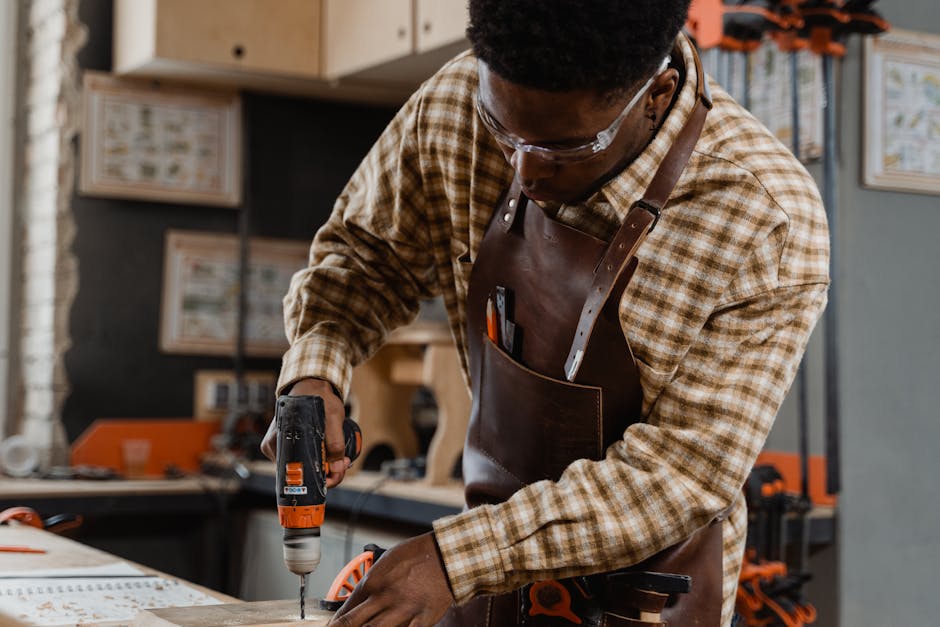
On job sites and in workshops worldwide, three names dominate the conversation—Milwaukee, DeWalt, and Makita. Each has earned its reputation through decades of reliable, high-performance tools built to handle the daily grind of professional use while remaining within reach for ambitious home users.
What sets them apart? Interchangeable cordless ecosystems. Each brand offers extensive product lines powered by shared battery platforms, letting users invest once and expand their toolkits over time. A single battery kit can power dozens of tools—from drills and impact drivers to circular saws and grinders—without compatibility issues or extra cost.
These brands also set the industry benchmark for performance and longevity. Their tools feature advanced brushless motor systems, precision engineering, and construction-grade durability designed to endure years of heavy use across multiple trades. Industry experts, including those at Oregon-based GenuineTools, note that these manufacturers continue to lead the pack because of their consistent build quality and after-sales reliability.
Milwaukee's cordless lineup revolves around two battery platforms that cover virtually every trade application.
Both systems benefit from the FUEL technology suite—combining POWERSTATE brushless motors for superior performance, REDLITHIUM batteries for longer runtime, and REDLINK PLUS intelligence that regulates output and prevents overload.
Together, these innovations define the brand's reputation for endurance and efficiency.
Milwaukee's PACKOUT system is a modular, interlocking storage lineup designed for professionals who treat organization like a performance metric. The system's rugged build can handle the weight of heavy tools while keeping gear accessible and protected in transport.
Its real advantage is customization: users can mix and match toolboxes, totes, and organizers to build setups suited to their trade, optimizing space and cutting time wasted on clutter. GenuineTools notes that PACKOUT's durability has made it a preferred storage option among contractors who move between multiple worksites daily.
Milwaukee's ONE-KEY platform solves one of the industry's biggest headaches—tool tracking and theft prevention. Via a smartphone app, users can monitor location, customize tool performance, and even remotely lock devices to prevent unauthorized use.
For companies managing large inventories, ONE-KEY offers detailed insights on usage, maintenance schedules, and asset movement—data that can save thousands in replacement costs and boost operational efficiency.
DeWalt’s FLEXVOLT technology changed the cordless game. These adaptive batteries automatically shift between 20V MAX for standard tools and 60V MAX for high-power equipment that would traditionally demand a cord.
This voltage-switching flexibility lets contractors run everything—from compact drills to circular saws and demolition grinders—using the same battery platform. The result: more runtime, fewer charging headaches, and zero need to maintain separate systems for different power demands.
FLEXVOLT's dual-voltage efficiency has been one of the biggest productivity wins for mixed-trade contractors in the past decade.
The TOUGHSYSTEM modular storage line is built for the brutal rhythm of real construction work. Reinforced shells shrug off drops, impacts, and bad weather, keeping tools protected and ready for the next shift.
Its interlocking design allows quick reconfiguration, letting contractors customize setups for each project or trade. The durability and mobility make TOUGHSYSTEM an essential companion for crews rotating across multiple job sites.
Makita's LXT 18V system is one of the largest cordless ecosystems in the industry, covering everything from carpentry and electrical work to landscaping and fine woodworking. With hundreds of compatible tools sharing the same batteries and chargers, professionals can expand their setups without juggling multiple power systems.
This unified approach saves time, reduces costs, and keeps crews working efficiently across multiple trades—a key reason experts cite Makita's ecosystem as one of the most versatile in today's market.
Makita's AVT (Anti-Vibration Technology) tackles one of the biggest issues in heavy tool use: user fatigue. By integrating internal counterbalances and damping systems, Makita tools significantly reduce vibration transfer without compromising performance.
For professionals who rely on rotary hammers, breakers, and other high-impact tools, this reduction isn't just about comfort—it's about health. Lower vibration levels help prevent long-term strain injuries, allowing crews to stay sharper and work longer without burnout.
It's the kind of thoughtful engineering that defines Makita's DNA: efficiency through control.
While Milwaukee, DeWalt, and Makita deliver all-around excellence, several specialty manufacturers have earned loyal followings for their mastery in specific trades. These brands pour their engineering resources into perfecting tools for one arena—and the results show.
Hilti remains the top choice for contractors working in concrete and structural construction. Its tools are purpose-built for masonry drilling, concrete cutting, and heavy fastening, where failure isn't an option.
Beyond tool performance, Hilti's edge lies in its fleet management and service programs. Large construction firms rely on these systems for tool tracking, scheduled maintenance, and on-demand replacements—cutting downtime and administrative costs across entire fleets. Hilti's holistic service model sets a benchmark for long-term operational efficiency in large-scale projects.
When the job calls for accuracy and finesse, Bosch is the name professionals trust. Known for its German engineering pedigree, Bosch specializes in woodworking and finishing applications that demand absolute control.
Its routers, sanders, and benchtop tools deliver smooth operation, micro-adjustable precision, and superior dust collection—features that keep workspaces clean and output consistent. For cabinetmakers, carpenters, and detail-driven contractors, Bosch remains the go-to brand for precision craftsmanship.
In the professional automotive world, Snap-on is synonymous with status and reliability. Each wrench, socket, and diagnostic tool is engineered for high-torque performance and tight-space maneuvering, built to withstand constant daily use in service bays and performance shops.
While priced above mass-market alternatives, Snap-on's precision manufacturing, lifetime warranties, and purpose-built design make it a sound investment for serious mechanics. Many professionals view the brand as a career-long partner—tools that pay for themselves through efficiency, accuracy, and uptime.
Metabo HPT (formerly Hitachi Power Tools) has carved out a dominant niche in the fastening category. Its pneumatic and cordless nailers and staplers are trusted by framers and trim carpenters for consistent firing, long-term reliability, and high-volume endurance.
The brand's MultiVolt cordless platform offers power that rivals the larger players while often providing better value for specific use cases. Experts who depend on precision fastening turn to Metabo HPT for its combination of performance, low misfire rates, and dependable build quality.
For first-time DIYers, Black + Decker remains the go-to gateway brand. The tools are lightweight, intuitive, and priced for accessibility—perfect for simple projects like furniture assembly, small repairs, and light yard work.
These aren't built for heavy duty use, but their ease of operation and low cost of entry make them ideal for casual users who want dependable basics without technical complexity.
Ryobi's ONE+ 18V platform remains a favorite among budget-conscious users who want versatility without overspending. The ecosystem includes hundreds of compatible tools—from drills and impact drivers to lawn-care gear and hobby equipment—all powered by the same batteries.
While Ryobi tools can't match the brute durability of pro-level gear, they deliver solid performance for typical homeowner tasks. For new DIYers building a starter lineup, the breadth and affordability of the ONE+ range make it an easy win.
Craftsman occupies the sweet spot between affordability and reliability. Now owned by Stanley Black & Decker, the brand benefits from the engineering depth of a global manufacturer while keeping prices accessible for frequent home users.
Its lineup balances everyday durability with fair pricing, appealing to homeowners who want trustworthy tools for ongoing repairs, upgrades, and maintenance—without crossing into professional-price territory.
The best power tool brand depends entirely on your work. Choosing the right one means matching performance, durability, and price to how often—and how hard—you use your tools.
Professionals in construction, electrical, and plumbing trades benefit most from Milwaukee, DeWalt, or Makita. These brands are built to endure daily, high-demand use where reliability pays off in fewer breakdowns and faster workflows. The higher upfront cost quickly balances out through longevity and reduced downtime.
For specialized fields, brand choice narrows further. Hilti dominates in concrete and structural work, while Snap-on rules the automotive world with precision-engineered tools designed specifically for mechanics. Each brand's focus on its niche translates into better performance where it matters most.
Homeowners and DIYers, meanwhile, can find exceptional value with Ryobi or Craftsman, which provide solid power and essential features without professional pricing. The key isn't spending more—it's buying the right level of performance for your actual workload.
GenuineTools emphasizes this same principle when advising customers: invest according to how you build, not just what you build. Their comparative guides help both professionals and weekend warriors find the right balance of power, precision, and price for their projects.


