Titanium is everywhere in the watch world, but the difference between a pure Grade 2 band and a cheap alloy is obvious the moment you put it on. Find out why this metal alloy is the watchmaker’s first choice.
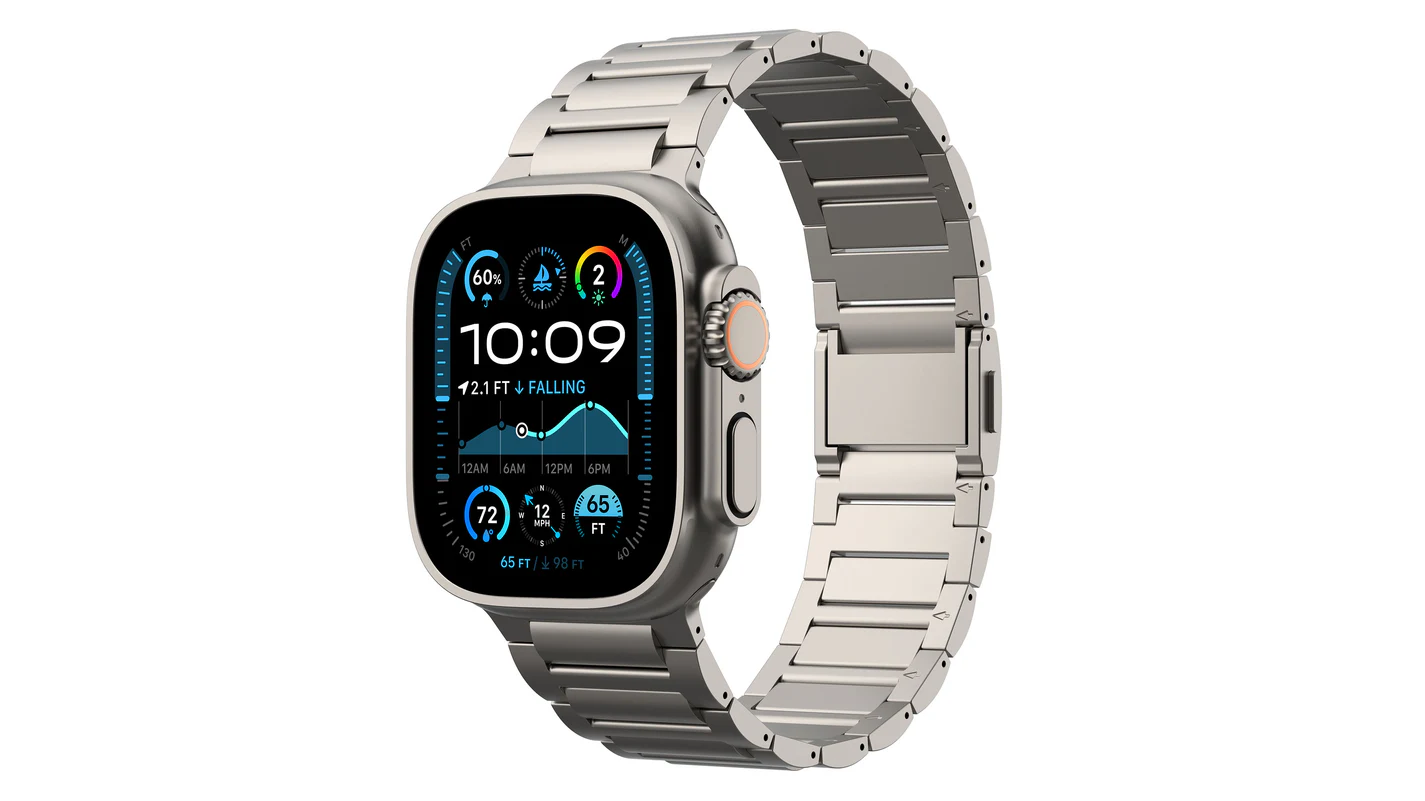
If you're shopping for a new band for your Apple Watch Ultra, you've probably seen the word 'titanium' thrown around like it's a magic spell. Titanium has a reputation for being a 'super metal' because it's lighter than steel, doesn't rust, and won't turn your wrist green. Most bands on the market use titanium alloys that add weight, reduce purity, and sometimes even cause skin irritation.
Grade 2 titanium is as close to the real deal as it gets. This is the stuff that's 99% pure, the kind that feels like it's barely there on your wrist but shrugs off scratches and sweat.
If you asked an advertiser, they would probably tell you that 'not all titanium is created equal' and proceed to talk about how the metal is a 'game-changer' for watchmakers. In reality, Grade 2 titanium is a practical (and excellent) choice for watches and watch bands because it's easy to work with and less expensive than medical-grade alloys. It's also been around for a while now, and that means that we've gotten better at working it to precision.
Grade 2 titanium is 'commercially pure' titanium: what you'll find in pro-grade gear. It isn't like Grade 5 or Grade 23: the medical-grade alloy in dental implants. The difference is evident the moment you put it on: it's lighter, it doesn't get cold, and it won't corrode after a summer of workouts. Grade 2 is the sweet spot for daily wear—tough enough for the gym, gentle enough for sensitive skin.
Here's where most buyers slip up: they see 'titanium' and assume it's all the same and worth an inflated price tag; it's not. Some bands are just steel with a titanium coating. Others use lower-grade alloys that scratch up after a week. If you want a band that actually lives up to the hype, check for 'Grade 2' in the specs. Bonus points if it comes with a DLC (diamond-like carbon) coating.
Top watch band manufacturers like Robust Goods understand this and make their Apple Watch Ultra bands from Grade 2 titanium. So why not use Grade 5, which is more robust, or Grade 1, which is cheaper? Quite simply, to get the best from the strength-to-cost ratio. For watch straps, Grade 2 titanium occupies that sweet spot.
Apple's choice of titanium for the Apple Watch—especially the Ultra models—is rooted in a mix of technical, aesthetic, and user-experience factors. Titanium bands are the closest match to Apple's design language, and the metal is preferred for its weight, comfort, strength, durability, and hypoallergenic properties. It's also one of the few materials that allows Apple to design larger cases like the 49mm case.
If you're going to spend money on a titanium band, make sure it's made from Grade 2 titanium. It's lighter, tougher, and just feels better—especially if you wear your watch all day, every day. Brands like Robust Goods are setting the standard, and once you try a pure titanium band, you won't go back.


