If you’re over 50 and following standard protein guidelines, you might be losing muscle without realizing it. There’s a critical threshold at age 50 that changes everything about how much protein your body actually needs—and when you should eat it.
Most adults think they're getting enough protein by following government guidelines. The reality is far more complex - and potentially dangerous for anyone approaching or past middle age.
There's an invisible line drawn at age 50 that fundamentally changes how the body processes protein. While a 30-year-old can maintain muscle mass on the standard Recommended Dietary Allowance (RDA) of 0.8 grams per kilogram of body weight, this same amount becomes insufficient for someone in their fifties.
The difference isn't subtle. Research shows that adults over 50 require 1.2 to 1.6 grams of protein per kilogram of body weight daily - nearly double the federal guideline. For a 165-pound person, this translates to jumping from 60 grams to 90-120 grams of protein per day.
This shift occurs because aging fundamentally alters how muscles respond to protein intake. Calculate your specific protein needs based on your age and activity level to avoid the hidden pitfalls of following outdated recommendations.
Anabolic resistance is the body's diminished ability to build and maintain muscle protein as we age. Think of it as your muscles becoming "hard of hearing" when protein signals arrive. Where 20 grams of protein might trigger muscle protein synthesis in a 25-year-old, the same amount barely registers in someone over 50.
This resistance explains why older adults who eat the same amount of protein as younger people still lose muscle mass. The PROT-AGE Study Group found that healthy older adults need at least 1.0-1.2 grams per kilogram of body weight just to maintain existing muscle mass, with higher amounts needed to actually build new tissue.
The current RDA of 0.8g/kg was designed to prevent protein deficiency diseases, not to optimize health or prevent age-related muscle loss. Following these guidelines after 50 can lead to sarcopenia - the progressive loss of muscle mass, strength, and endurance that affects independence and quality of life.
Studies reveal that roughly one in three people over 50 don't meet even their increased protein requirements. The consequences extend beyond muscle loss to include increased fall risk, slower recovery from illness, and reduced metabolic health.
For adults under 50, the standard 0.8g/kg recommendation works for sedentary individuals, but active adults need more. Regular exercisers should aim for 1.1-1.5 grams per kilogram, while those involved in strength training or endurance sports benefit from 1.2-1.7 grams per kilogram.
A 150-pound active adult under 50 would target 75-115 grams of protein daily, distributed across meals rather than consumed in large amounts at once.
The protein requirements jump significantly after 50. Healthy older adults need 1.2-1.6 grams per kilogram of body weight to combat anabolic resistance and maintain muscle mass. For the same 150-pound person, this means 82-109 grams daily as a baseline.
Adults over 65 face even greater challenges, with recommendations for healthy older adults reaching 1.0-1.2 grams per kilogram daily to maintain muscle mass and function, with higher amounts advised for those who are active or have acute/chronic illnesses.
Certain conditions push protein needs even higher. Older adults who are:
The amount of protein consumed per meal determines whether muscle protein synthesis gets activated. While 20-25 grams per meal may suffice for younger adults, research suggests that 25-30 grams of protein per meal can optimally stimulate muscle protein synthesis. However, due to anabolic resistance, older adults may need 30-35 grams per meal to maximally stimulate muscle protein synthesis.
This threshold difference explains why simply increasing total daily protein isn't enough - the distribution matters enormously. Research shows that 25-30 grams of protein per meal optimally stimulates muscle protein synthesis in both younger and older individuals.
Most people consume the majority of their protein at dinner, with minimal amounts at breakfast. This pattern wastes the muscle-building potential of protein. Studies demonstrate that distributing protein intake, such as aiming for approximately 0.4 grams per kilogram of body weight per meal for older adults, across multiple daily meals is more effective for muscle protein synthesis than consuming the majority in fewer, larger feedings.
The body can only process a limited amount of protein for muscle synthesis at one time. Consuming 60 grams at dinner provides no additional benefit over 30 grams, while leaving other meals protein-poor misses multiple opportunities to stimulate muscle growth.
Combining adequate protein intake with resistance exercise amplifies the muscle-building response. Consuming 30-35 grams of protein within two hours of weight training helps overcome anabolic resistance in adults over 50.
The timing creates a synergistic effect where exercise sensitizes muscles to protein signals, making the amino acids more effective at triggering muscle protein synthesis.
Rather than front-loading protein at one meal, distribute intake evenly throughout the day. Aim for 25-35 grams per meal across three to four eating occasions. This pattern maintains elevated amino acid levels in the blood and provides multiple stimulus events for muscle protein synthesis.
A practical approach involves including a high-quality protein source at each meal: eggs or Greek yogurt at breakfast, lean meat or fish at lunch, and similar portions at dinner, with protein-rich snacks if needed.
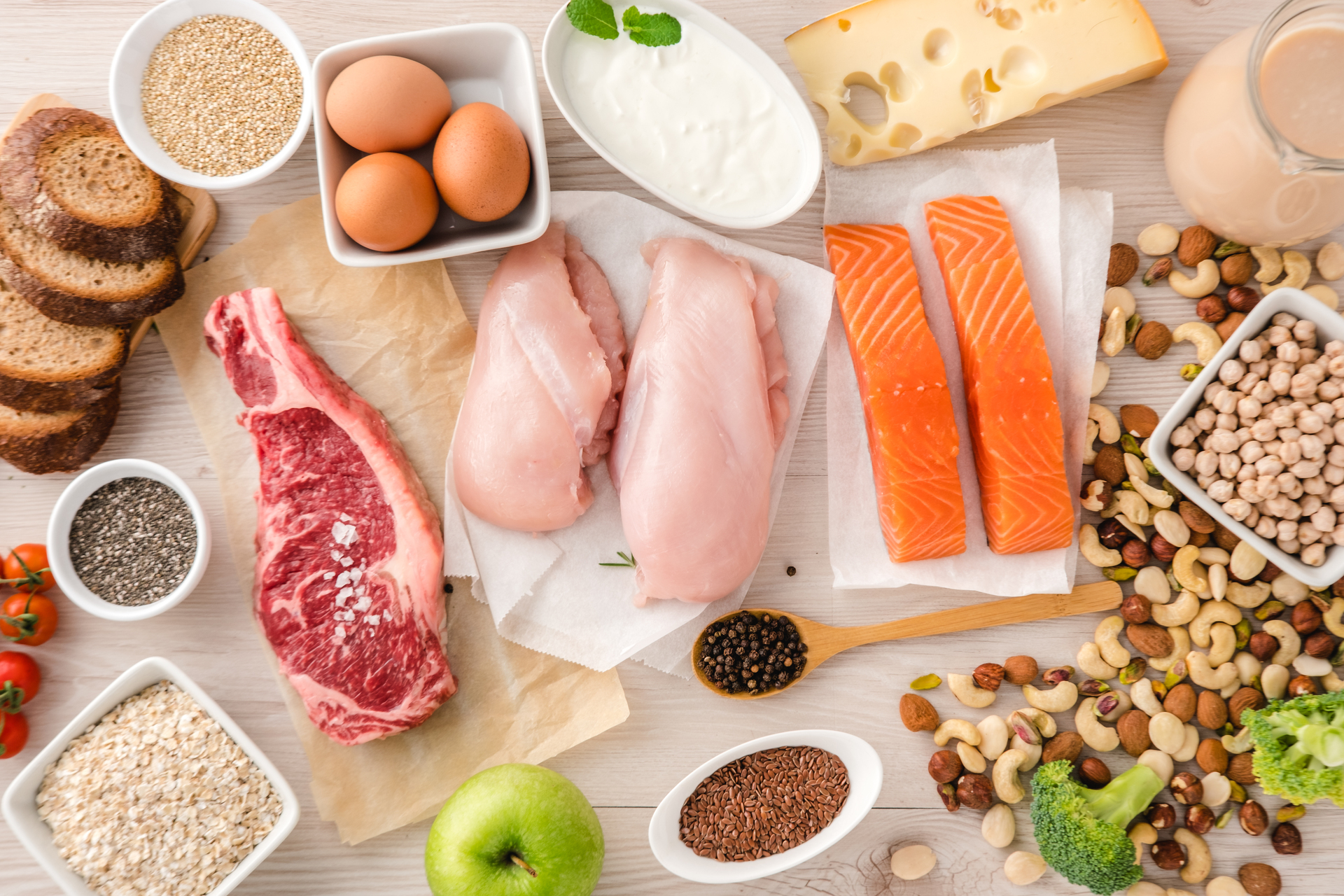
Complete proteins contain all amino acids in optimal ratios for muscle protein synthesis. The best sources include:
These sources provide leucine, the amino acid that triggers muscle protein synthesis, in sufficient quantities to overcome age-related resistance.
Protein inadequacy often manifests gradually, making it easy to miss until significant muscle loss occurs. Common warning signs include persistent fatigue that doesn't improve with rest, noticeable muscle loss or weakness, slower recovery from exercise or illness, and mood changes including increased irritability or difficulty concentrating.
Physical indicators include difficulty performing previously easy tasks like climbing stairs, carrying groceries, or getting up from chairs without assistance. Changes in body composition, such as increased body fat percentage despite stable weight, also suggest inadequate protein intake relative to needs.
In Singapore, approximately one in two older adults don't meet their age-specific protein requirements, despite often consuming higher quality meals than younger adults. This demonstrates that good intentions aren't enough without understanding the specific numerical targets required for optimal health.
Generic recommendations fail because individual needs vary based on body weight, activity level, health status, and age. The key is determining your specific target and then structuring meals to meet it consistently.
Start by calculating your baseline needs: multiply your body weight in kilograms by 1.2-1.6 if you're over 50, or 0.8-1.5 if you're under 50 and active. Then divide this total across three to four meals, ensuring each meal provides 25-35 grams of high-quality protein.
Track your intake for a week to identify gaps, then adjust meal composition rather than relying on supplements. Whole food sources provide additional nutrients that support overall health beyond just protein content.
Implementation matters more than perfection. Even modest improvements in protein timing and quantity can significantly impact muscle health, energy levels, and long-term independence.


