The wellness industry is experiencing a revolutionary shift as AI-powered devices like home massage chairs learn your body’s unique needs and adapt in real-time. But can machine learning truly replace the human touch in therapeutic care?
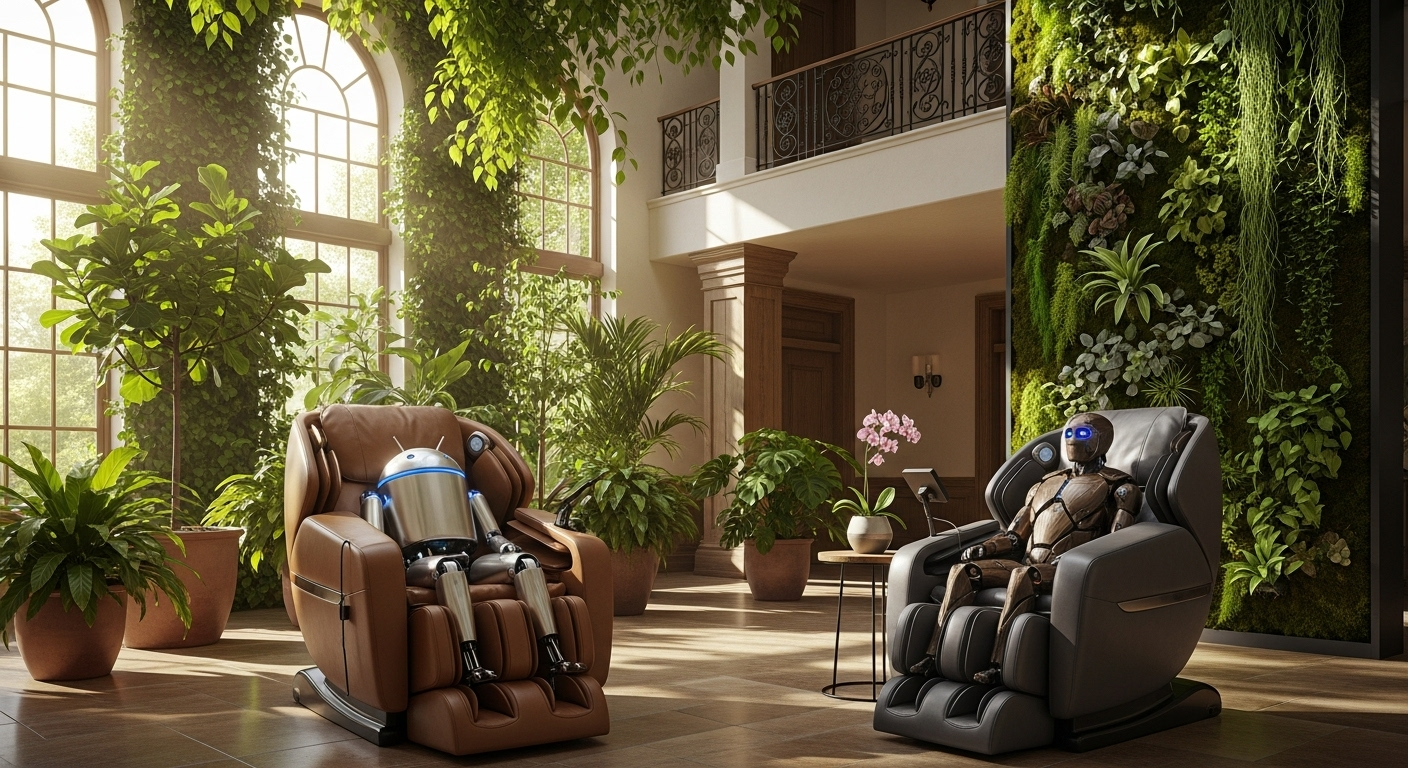
The wellness industry stands at the threshold of a technological revolution. Artificial intelligence is transforming how people approach health, relaxation, and recovery through devices that learn, adapt, and respond to individual needs. From massage chairs that memorize personal preferences to nutrition systems that adjust meal plans in real-time, AI is creating unprecedented opportunities for personalized wellness experiences.
The integration of artificial intelligence into wellness devices represents a fundamental shift from one-size-fits-all solutions to truly personalized therapeutic experiences. Modern AI-powered wellness technology combines sophisticated sensors, machine learning algorithms, and predictive analytics to create devices that understand and respond to individual users in ways previously impossible.
Traditional wellness devices offered limited customization options, forcing users to choose from predetermined settings that rarely matched their specific needs. AI changes this paradigm entirely by enabling devices to learn from user behavior, adapt to physical characteristics, and continuously improve their performance based on real-world feedback.
This technological evolution is particularly evident in therapeutic devices where personalization directly impacts effectiveness. For instance, choosing the right AI-enhanced massage chair requires understanding how these advanced features align with individual wellness goals and preferences. The result is a new generation of wellness solutions that deliver professional-grade care tailored to each person's unique requirements.
AI massage chairs represent one of the most sophisticated applications of artificial intelligence in personal wellness. These advanced devices go far beyond simple mechanical massage by incorporating intelligent systems that adapt to users through biofeedback and machine learning, offering personalized experiences by adjusting to individual needs in real-time.
Modern AI massage chairs utilize body scanning technology that measures body dimensions, detects key pressure points, and calibrates massage mechanisms for optimal comfort and effectiveness. This sophisticated scanning process occurs automatically each time a user sits down, ensuring the chair adjusts to accommodate different body types, heights, and physical characteristics.
The scanning technology employs multiple sensors to create a detailed map of the user's body, identifying shoulder position, spine alignment, and body contours. This information allows the chair to position its massage mechanisms precisely where they will be most effective. The AI algorithms continuously process this data to ensure every massage session targets the right areas with appropriate pressure and technique.
AI massage chairs incorporate machine learning algorithms that remember individual user preferences, creating truly customized experiences that improve over time. These systems track which massage techniques users prefer, how long they typically use the chair, and which intensity levels provide the most relief for different areas of the body.
The machine learning capability extends beyond simple preference storage. AI algorithms recognize individual muscular tension patterns and adjust massage intensity accordingly, providing tailored experiences that evolve based on usage patterns. So if a user consistently prefers deep tissue massage for shoulders but gentler treatment for the lower back, the AI system learns these preferences and automatically applies them in future sessions.
Voice activation technology in select premium AI massage chairs provides hands-free convenience and accessibility. Users can adjust massage programs, modify intensity levels, or focus on specific body areas using simple voice commands, allowing them to remain fully relaxed without fumbling with manual controls.
This feature particularly benefits individuals with mobility limitations or those who prefer completely hands-free operation during their wellness sessions. The voice recognition systems are sophisticated enough to understand natural language commands and can even distinguish between different users' voices to automatically load their preferred settings.
The integration of AI into health monitoring represents a significant advancement in preventive wellness care. These systems move beyond simple data collection to provide meaningful insights and detection capabilities that can help users identify potential health patterns before they become serious problems.
AI-powered health monitoring systems employ smart sensors that detect muscle tension levels, stress points, and vital sign patterns in real-time. These sensors can identify subtle changes in muscle tension that might indicate developing problems or stress accumulation that could lead to more serious health issues.
Advanced monitoring systems analyze data from multiple sensors to create health profiles. While capabilities vary by system, some can detect conditions like irregular heart rhythms, breathing patterns, and other physiological changes through continuous monitoring. However, the accuracy of these predictions can vary, and users should consult healthcare professionals for medical concerns.
Modern AI health monitoring systems integrate seamlessly with wearable devices to create health pictures that provide insights into overall wellness. This integration allows the AI to analyze health data from fitness trackers, smartwatches, and other monitoring devices to offer personalized health insights and recommendations.
The combination of data from multiple sources enables AI systems to identify patterns and correlations that might not be apparent from individual data streams. For example, the system might recognize that certain sleep patterns correlate with increased muscle tension, allowing for proactive intervention through targeted wellness routines.
Predictive analytics represent an advanced application of AI in health monitoring, using algorithms to identify patterns in health data. These systems analyze historical data patterns to provide insights about potential health trends, though the accuracy of predictions can vary and continues to evolve.
The predictive capabilities extend to identifying patterns like stress accumulation and other wellness-related issues that can be addressed through targeted interventions. This proactive approach to health management represents a shift from reactive treatment to preventive care, though human oversight remains important.
The democratization of professional-grade wellness through AI technology represents one of the most significant developments in modern healthcare and wellness. AI-powered devices and systems are making sophisticated therapeutic treatments, personalized health monitoring, and expert-level wellness guidance available to individuals in their homes, removing traditional barriers of cost, location, and scheduling.
This accessibility extends beyond simple convenience to include meaningful health outcomes. AI systems can provide continuous monitoring and support that offers advantages over traditional wellness approaches, delivering consistent, personalized care that adapts to changing needs and circumstances, though human oversight remains valuable.
The future of AI in wellness promises even greater integration and sophistication, with developments in biometric monitoring, hyper-personalization through data aggregation, and immersive wellness experiences that combine multiple sensory inputs. As these technologies continue to evolve, they will fundamentally transform how individuals approach their health and wellness journey.
Those interested in home wellness are invited to learn how Collective Relaxation is leading the wellness revolution with AI-powered massage chairs and advanced relaxation solutions.


