Who knew zombie TV could teach real energy lessons? The Walking Dead’s solar setups at Alexandria and Woodbury mirror actual distributed power systems that keep communities running when traditional grids fail—but there’s one crucial detail most viewers missed.
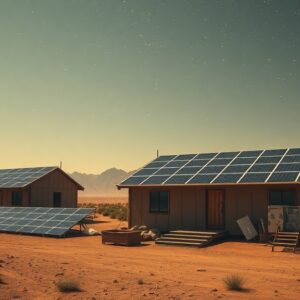
The zombie apocalypse might seem like an unlikely source of energy wisdom, but AMC's The Walking Dead offers surprisingly accurate glimpses into renewable power solutions that work when traditional infrastructure fails. From Alexandria's rooftop solar arrays to Woodbury's community-wide installations, the show demonstrates energy systems that mirror today's most promising distributed generation technologies.
Woodbury's solar-powered community represents one of television's most realistic portrayals of distributed solar networks. The town's combination of strategically placed solar panels and backup generators creates what energy experts call a microgrid – essentially a miniature version of the traditional electrical grid that can operate independently.
This setup mirrors modern community solar installations that generate power locally rather than relying on distant power plants. Solar Emergency Charger analyzes these scenarios to help consumers understand how distributed generation works in practice, showing that Woodbury's approach aligns with current best practices for renewable energy deployment.
The key advantage of Woodbury's system lies in its redundancy. Multiple solar arrays spread across different locations reduce the risk of total power loss, while battery storage ensures electricity remains available after sunset or during cloudy weather.
Rick's group transforms the prison into a functional base partly through their impressive battery storage system. Behind-the-scenes footage reveals a makeshift power plant using large batteries connected to generators, creating a hybrid system that stores energy for later use.
Modern residential battery systems work similarly, storing excess energy produced by solar panels during peak sunlight hours for use during evening hours or power outages. Tesla's Powerwall and similar technologies have made this concept mainstream, allowing homeowners to achieve the energy independence demonstrated in the prison scenes.
The prison's approach also highlights the importance of scalable storage solutions. Their modular battery setup can expand as power needs grow, mimicking how real-world installations can add capacity over time.
The windmills visible at Hershel's farm represent another layer of distributed generation that complements solar power. While the show doesn't explicitly detail their use, these wind turbines would provide energy diversity, generating power when solar production is limited.
Small-scale wind turbines offer homeowners and rural communities an additional renewable option, particularly in areas with consistent wind patterns. Combined with solar installations, wind power creates a more resilient energy mix that can handle varying weather conditions.
Perhaps the most impressive renewable energy demonstration comes from Alexandria's solar panels, which remain functional even after the show's significant time jump. This durability showcases one of solar technology's greatest strengths – minimal maintenance requirements and long operational lifespans.
Real-world solar panels typically carry 25- to 30-year warranties and are expected to last at least that long, though their power output gradually decreases over time. The Alexandria installation proves that properly installed solar systems can withstand harsh conditions, including the neglect that would occur during societal collapse.
This resilience makes solar particularly valuable for emergency preparedness and off-grid applications where regular maintenance might not be possible.
The Walking Dead's various communities demonstrate a key advantage of distributed generation: power is produced close to where it's consumed. This proximity eliminates the transmission losses that occur when electricity travels long distances through power lines.
Traditional power grids typically lose approximately 5-10% of electricity during transmission and distribution. Distributed systems like those shown in Woodbury and Alexandria eliminate these losses by generating power on-site or nearby.
When the zombie apocalypse destroys centralized infrastructure, communities with distributed generation systems continue operating normally. This mirrors real-world scenarios where distributed systems provide backup power during natural disasters or grid failures.
Distributed generation strengthens overall grid stability by reducing demand on central power plants and providing multiple power sources that can operate independently when needed.
While The Walking Dead characters can modify buildings freely, real-world renters and apartment residents face restrictions that make rooftop solar installations impossible. Community solar programs solve this problem by allowing multiple customers to benefit from shared solar installations located elsewhere.
Subscribers to community solar projects receive credits on their electricity bills for their share of power produced, making renewable energy accessible regardless of housing situation. This approach particularly benefits low-income households and residents of multifamily buildings who cannot install individual solar systems.
Community solar has expanded significantly. As of December 2024, community solar projects operate in 44 states including Washington D.C., representing over 10 GW-AC of total installed capacity.
This growth demonstrates that the distributed generation concepts shown in the series have real-world viability and market demand. Community solar makes renewable energy accessible to millions of Americans who couldn't otherwise participate in the clean energy transition.
The energy lessons from The Walking Dead translate directly to practical emergency preparedness and energy independence strategies. Start with an energy audit to understand current consumption patterns, then identify opportunities for renewable generation and battery storage.
Consider portable solar generators for emergency situations, evaluate community solar options if rooftop installation isn't possible, and look into battery backup systems that can maintain power during outages. Even small steps toward energy independence can provide significant benefits during emergencies.
The show's most valuable lesson might be that distributed, renewable energy systems work best when planned and implemented before they're desperately needed. Building resilient energy infrastructure requires foresight, but the payoff – reliable power when everything else fails – makes the investment worthwhile.
Ready to build your own renewable energy resilience? Solar Emergency Charger provides expert guidance on solar power solutions that work whether you're facing a zombie apocalypse or just the next power outage.


