Facing federal wage garnishment from the Bureau of the Fiscal Service? You have just 15 business days to challenge it, and federal debts have different collection guidelines.
SBA Loans: No Time Limit on Administrative Collections
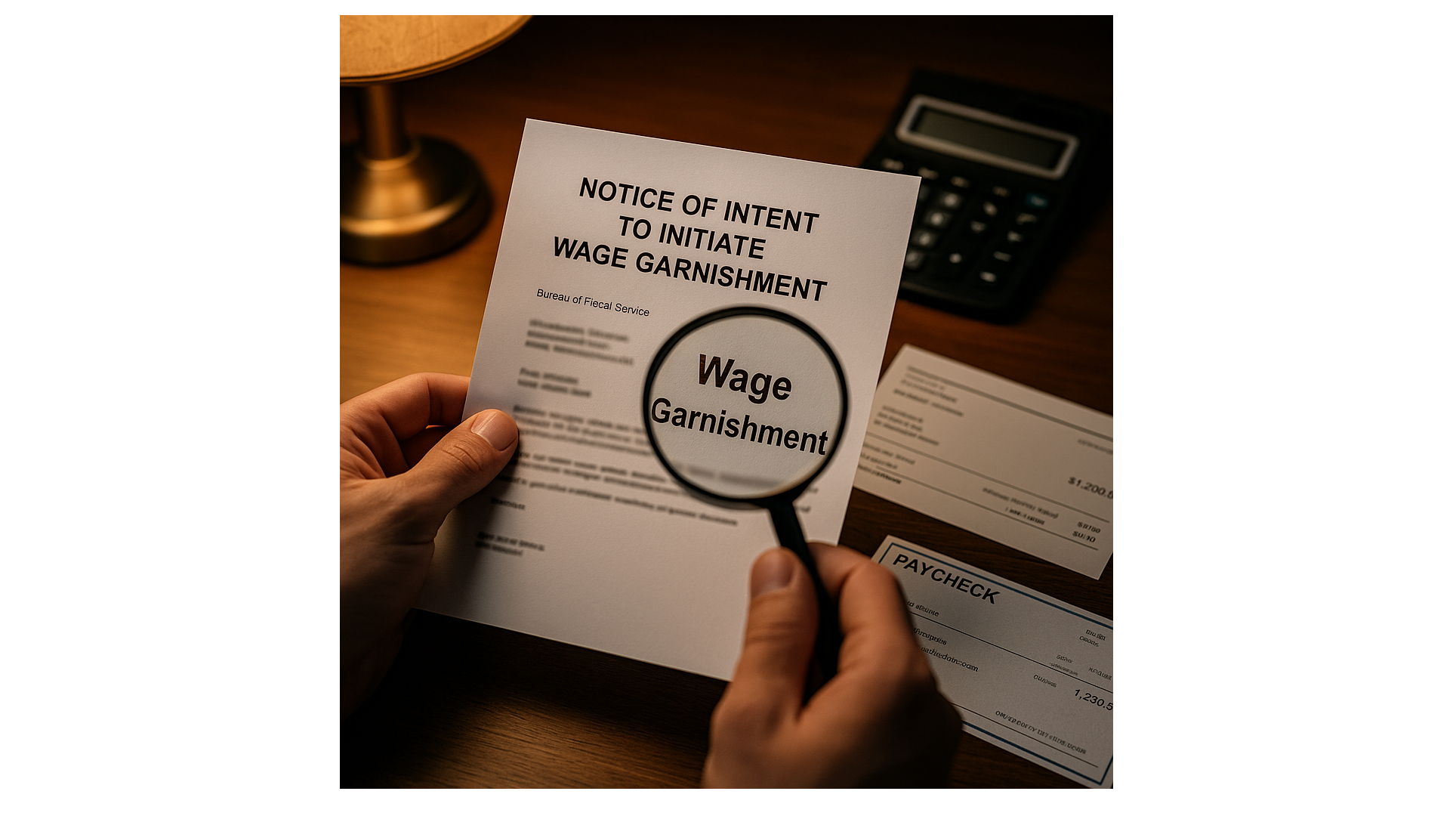
Many borrowers believe time will make an SBA loan go away, but it will not. Once a debt is referred to the Bureau of the Fiscal Service, administrative collections can continue until the balance is resolved. Tools include the Treasury Offset Program and Administrative Wage Garnishment. AWG allows withholding up to 15 percent of disposable pay. If another garnishment is already in place, Fiscal Service can still issue an AWG, adjusting the amount so the combined withholding stays within the overall cap.
This distinction matters. Waiting does not stop offsets or garnishment. Borrowers still have rights, including requesting proof of debt, disputing incorrect amounts, requesting a hearing, and seeking a payment arrangement. SBA & Federal Debt Advisory Services can help you understand next steps.
For context, federal creditor agencies collected $23.2 billion in delinquent non-tax debt in FY 2022, much of it through offsets and related tools that operate regardless of loan age.
Why Collections Continue Without a Time Limit
Once an SBA loan is referred to the Bureau of the Fiscal Service, collection continues through administrative tools that do not expire. The two most common are the Treasury Offset Program and Administrative Wage Garnishment, which can withhold up to 15 percent of disposable pay. These tools can operate at the same time and remain in place until the balance is resolved.
1. Administrative Wage Garnishment (Up to 15% of Disposable Income)
Administrative Wage Garnishment allows collection without a court order once an SBA loan is referred to the Bureau of the Fiscal Service. Withholding can be up to 15 percent of disposable pay after legally required deductions. Employers receive the order from Fiscal Service and usually begin with the next payroll cycle.
To avoid AWG, contact Fiscal Service during the notice period to set up a written payment arrangement. The first payment may be due shortly after the notice period; what matters is getting an approved plan in place before the employer begins withholding. Once an AWG order is active with the employer, agencies generally continue the garnishment rather than substituting a new voluntary plan, unless there is a specific approval to reduce or release based on hardship or other factors.
You have the right to request a hearing to challenge the existence or amount of the debt or to claim financial hardship.
2. Treasury Offset Program - Tax Refunds, Social Security, and Federal Benefits
The Treasury Offset Program (TOP) reduces certain federal payments after an SBA loan is referred to the Bureau of the Fiscal Service. Eligible payments include federal tax refunds and Social Security retirement, survivors, or disability benefits; SSI is excluded. By rule, Social Security offsets are limited to 15% and only the portion above $750 per month may be offset. Offsets continue until the balance is resolved and do not require a lawsuit
Your Rights as an SBA Borrower
You keep important rights throughout the collection process. Using them can improve accuracy and help you plan next steps.
Right to Request Proof of Debt
You can request documents that show the debt exists and the current balance. If your loan has been referred to the Bureau of the Fiscal Service, records are provided through Fiscal Service or the originating agency. If your loan is still serviced by the SBA or another agency, request records from that agency.
If you would like help, SBA& Federal Debt Advisory Services can coordinate the request for you and prepare FS Form 13 (Authorization for Release of Information) for your signature so the agency can release records to your advocate.
If you dispute the amount of the debt
When you dispute the balance, the agency should provide a detailed accounting showing every payment received and how each payment was applied to principal, interest, and any fees, along with any adjustments or offsets that affected the balance. This transaction history should reconcile to the current amount claimed.
Right to a Hearing to Dispute Debt Existence, Amount, or Terms (Financial Hardship)
Borrowers facing wage garnishment can request an administrative wage garnishment hearing to dispute the debt or demonstrate financial hardship. These hearings provide formal opportunities to challenge collection actions and present evidence supporting reduced payments or collection suspension.
Financial hardship hearings focus on whether garnishment would cause you to fail to meet basic living expenses. Successful hardship claims can eliminate or reduce garnishment amounts, for up to one year. This can provide immediate financial relief while borrowers develop longer-term solutions.
Right to Request Payment Arrangements
A voluntary payment arrangement can be approved by the Bureau of the Fiscal Service. If a plan is approved during the notice period, it can prevent Administrative Wage Garnishment from starting. If wage withholding has already begun with the employer, the order generally remains in effect unless there is a specific approval to reduce or release it, such as for hardship. The Treasury Offset Program continues while a payment plan is in place.
Offer in Compromise: Settling Your Debt for Less Than Full Amount
A compromise is an administrative option that may settle an SBA loan for less than the full balance when you cannot pay in full. At the Bureau of the Fiscal Service, a compromise review is based on complete financial disclosure and supporting documents. Approval is not guaranteed and depends on the facts of the case.
A compromise request does not automatically stop Treasury Offset Program intercepts or wage garnishment. Collections may continue unless a temporary reduction or hold is specifically approved.
How we help
SBA & Federal Debt Advisory Services prepares complete, well-documented packages and guides you through the process, so you are not paying high fees to generic “debt settlement” firms.
Required Documentation:
A compromise review relies on a complete financial disclosure and clear proof of your current ability to pay. Typical items include:
Your package should show why you cannot pay the full balance and how the proposed compromise would be funded. Incomplete or inconsistent documentation delays review and can lead to denial.
What Happens When You Ignore Collection Efforts
Not responding does not pause collection or make the debt expire. Waiting for a “time limit” to run will not stop action once an SBA loan is with the Bureau of the Fiscal Service.
Take Action Now - Your Options Are Not Limited by Time
Unlike private debts, SBA loan collection through the Bureau of the Fiscal Service does not expire. That does not mean you are out of options. Whether your default was recent or years ago, you still have rights to request proof of debt, dispute incorrect amounts, request a hearing for wage garnishment, and ask about a payment arrangement or a compromise review.
Waiting rarely helps. Offsets and garnishment can continue, and authorized charges may accrue. Taking action sooner usually preserves more choices and leads to clearer next steps.
If you want help navigating Fiscal Service procedures and preparing documents, professional guidance can make the process easier and more accurate.
SBA & Federal Debt Advisory Services can make this easier by requesting proof of debt, organizing disputes, preparing wage garnishment hearing requests, and assembling a complete package for a payment arrangement or a compromise review.


