For millions dealing with chronic pain but wary of drug dependence, can a holistic approach offer relief? In this article, we look at why many Americans are turning away from pills in favor of a whole-body approach.
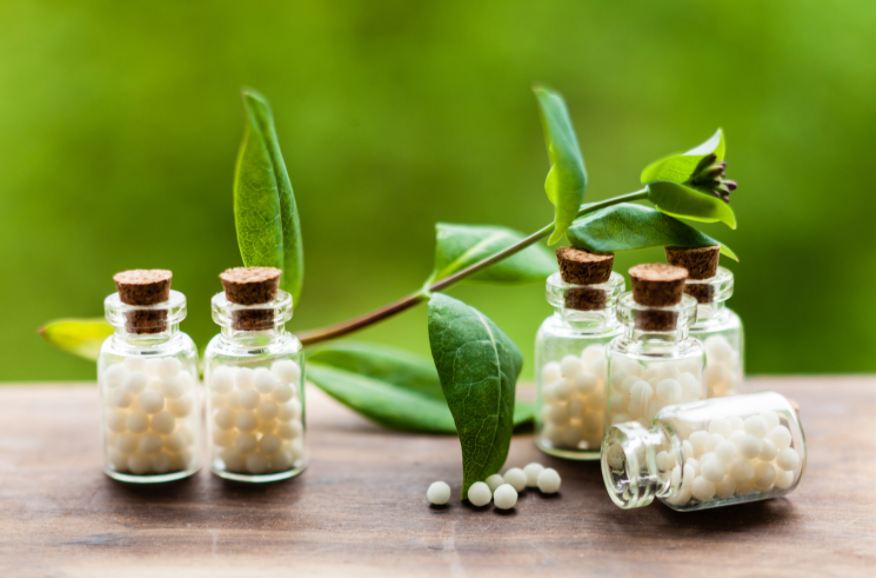
For millions of Americans living with chronic pain, relief often comes in the form of a pill bottle. While pharmaceutical options can be effective, they are not without risks. Long-term users are vulnerable to side effects, the risk of dependence, and diminishing results over time. These concerns are prompting more people to explore drug-free options.
Studies support this shift. Between 2002 and 2022, there was a “significant rise” in the number of adults in the United States seeking alternative therapies, according to a 2024 study published in the Journal of the American Medical Association.
“We see a growing number of people who have tried conventional treatments but are still looking for approaches that carry fewer health risks in the long run,” says a spokesperson for Poe Holistic Health, a nationally-recognized integrative health provider serving Massachusetts. “Holistic pain relief offers an effective way to manage chronic pain and can be easily integrated into any existing relief plan.”
Holistic therapies are not new, as they have long existed alongside conventional medicine, drawing on disciplines like herbal therapy, bodywork, nutrition, and lifestyle adjustments. “What is changing is their place in mainstream health discussions,” says Poe Holistic Health’s spokesperson.
Many patients are discovering that while pharmaceutical options can manage symptoms, they may not address the underlying causes of discomfort. Holistic care takes a broader view, focusing on the interconnectedness of body, mind, and environment. One example is the link between depression and pain, which explains why antidepressants are often prescribed by physicians as part of chronic pain treatment.
For Poe Holistic Health, advocating for holistic options does not mean abandoning traditional care plans. “In many cases, it works best as part of a blended strategy, which allows one to reduce reliance on drugs as the holistic components take precedence.”
As the search for effective, drug-free pain relief grows, more providers are offering integrative services that pair conventional care with holistic methods.
At Poe Holistic Health, holistic treatment plans for chronic pain are designed by Dr. Kristen Poe, whose training spans both traditional and alternative medicine. The clinic emphasizes that its goal is not to replace a doctor’s care, but to work alongside it and to look beyond symptoms to uncover and address root causes.
“For many, our approach offers a hopeful middle ground: relief that honors medicine’s power while recognizing and empowering the body’s own capacity to heal itself,” says the spokesperson.


