You’ve probably learned wound care “facts” from medical TV shows – but these dramatic portrayals could actually be sabotaging your healing. That “let it breathe” advice? It might be costing you weeks of recovery time and creating unnecessary scars.
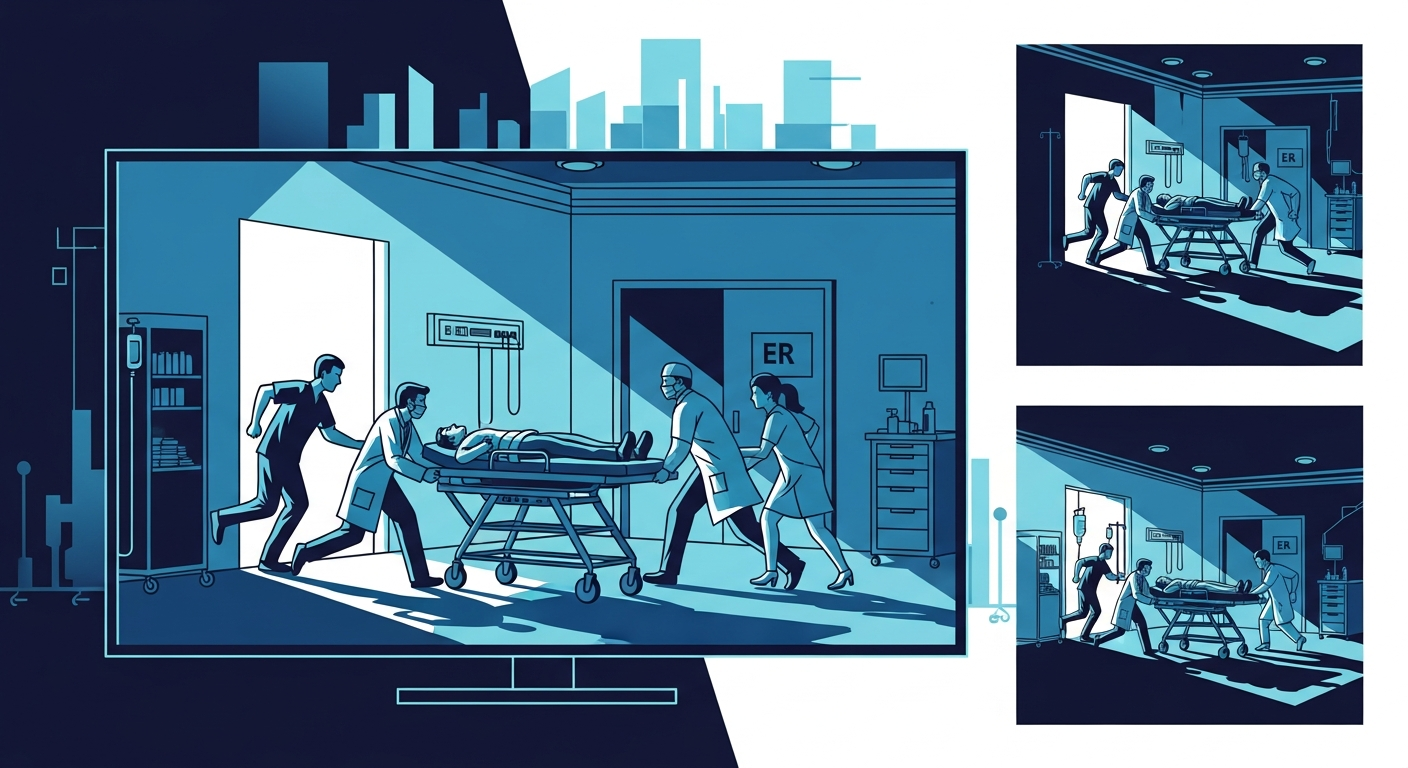
Television medical dramas have entertained audiences for decades, but their dramatic portrayals of wound care often contradict established medical science. While these shows excel at entertainment, they frequently present dangerous misinformation that can influence real-world treatment decisions. The gap between Hollywood drama and actual medical practice creates serious risks when viewers apply fictional treatments to real injuries.
Medical professionals consistently observe patients attempting treatments they witnessed on popular shows, often with harmful results. The entertainment industry prioritizes visual drama over medical accuracy, leading to widespread misconceptions about proper wound management. These fictional portrayals can delay healing, increase infection risks, and even cause permanent tissue damage when applied in reality.
One of the most persistent and dangerous myths promoted by medical shows involves exposing wounds to air for faster healing. Television characters frequently remove bandages and declare that wounds need to "breathe" or "air out." This portrayal directly contradicts decades of clinical research and wound care science.
Scientific evidence overwhelmingly demonstrates that wounds heal optimally in moist environments. Research consistently shows that maintaining proper moisture levels can accelerate cellular regeneration and tissue repair by up to 50% compared to dry healing methods. The moist environment facilitates the migration of healing cells, promotes new blood vessel formation, and supports the natural inflammatory response necessary for recovery.
Moist wound healing also reduces pain significantly because nerve endings remain hydrated and protected from external stimuli. This contradicts the television portrayal of characters gritting their teeth through "necessary" air exposure pain. Advanced wound care specialists utilize evidence-based moist healing protocols that generally outperform traditional dry methods.
Exposing wounds to air creates multiple serious risks that television shows routinely ignore. Open wounds become vulnerable to bacterial contamination from airborne pathogens, increasing infection probability substantially. The formation of hard scabs through air exposure actually impedes healing by creating barriers that prevent new tissue formation and proper cellular migration.
Additionally, air-dried wounds experience increased scarring because the healing process becomes irregular and disorganized. The tissue dehydration caused by air exposure can lead to cell death in the wound bed, requiring the body to clear dead tissue before healing can progress effectively.
Medical dramas frequently showcase dramatic wound cleaning scenes featuring alcohol, hydrogen peroxide, or other harsh antiseptics. These portrayals typically emphasize the pain and bubbling action as evidence of effective treatment, creating dangerous associations between discomfort and proper care.
Alcohol and hydrogen peroxide, while effective at killing bacteria, also destroy healthy cells needed for wound healing. These substances cause cellular damage through oxidative stress and protein denaturation, effectively creating additional injury within the wound bed. The dramatic bubbling action of hydrogen peroxide that appears therapeutic on television actually represents the destruction of both harmful bacteria and beneficial healing cells.
Clinical studies demonstrate that wounds treated with these harsh antiseptics heal significantly slower than those cleaned with gentler alternatives. The tissue damage caused by these products can extend healing time by weeks and increase scarring substantially.
Professional wound care specialists rely on mild soap and water or sterile saline solutions for effective cleaning without tissue damage. These gentle cleansing methods remove debris and bacteria while preserving the healthy cells necessary for optimal healing. Saline solution, in particular, matches the body's natural fluid composition, making it ideal for wound irrigation.
Advanced wound care facilities also utilize specialized cleansing solutions designed specifically for different wound types. These products balance antimicrobial effectiveness with cellular compatibility, promoting healing rather than hindering it through unnecessary tissue destruction.
Television medical shows often portray scabs as positive signs of healing, with characters proudly displaying their "battle wounds" as evidence of recovery progress. This representation fundamentally misunderstands the healing process and promotes practices that actually slow recovery and increase scarring.
Scabs create physical barriers that prevent optimal tissue regeneration and cellular migration. The hard, dried surface formed by scabs blocks the movement of healing cells across the wound bed, forcing the body to work around these obstacles rather than through efficient, direct pathways. This process extends healing time significantly and often results in irregular tissue formation.
The formation of scabs also indicates excessive moisture loss from the wound, suggesting suboptimal healing conditions. Professional wound management focuses on preventing scab formation through appropriate moisture balance and protective covering.
Wounds maintained in properly moist environments heal with minimal scarring because cellular regeneration occurs in organized patterns. The absence of scab formation allows healing cells to migrate smoothly across the wound surface, creating more natural tissue architecture. This process results in scars that are less visible and more functional than those formed through dry healing methods.
Moist healing also supports proper collagen formation, the protein responsible for skin strength and appearance. The controlled environment prevents the irregular collagen deposition that characterizes prominent scarring.
Television medical dramas rarely address the complexity and prevalence of chronic wounds, instead focusing on acute injuries that heal quickly within episode timeframes. This omission creates dangerous misconceptions about wound healing timelines and the specialized care required for persistent wounds.
According to research published in JAMA Dermatology, misdiagnosing common wound conditions like cellulitis leads to 50,000 to 130,000 unnecessary hospitalizations each year. These diagnostic errors cost the healthcare system between $195 million and $515 million annually, representing a massive financial burden that could be prevented through proper wound assessment and care.
The study highlights how inadequate wound evaluation training among healthcare providers contributes to these costly mistakes. Many wounds that appear simple on the surface require specialized assessment techniques that general practitioners may not possess.
Chronic wounds represent a substantial financial burden, costing the US healthcare system between $28 billion and $97 billion annually, depending on the data analyzed. These wounds, which fail to heal within the expected timeframe, require specialized interventions that extend far beyond the basic treatments commonly portrayed on television.
The complexity of chronic wound management involves addressing underlying conditions like diabetes, vascular disease, and immune system disorders. Television shows rarely acknowledge these complicating factors, instead presenting wound care as a straightforward process that resolves quickly with basic intervention.
The influence of medical dramas on patient expectations and treatment decisions creates real-world consequences that can significantly impact healing outcomes. Patients who attempt television-inspired treatments often experience delayed healing, increased complications, and unnecessary suffering.
Advanced wound care techniques have transformed treatment outcomes for previously difficult-to-heal wounds. Regenerative medicine approaches, including growth factors, cellular therapies, and bioengineered tissues, offer hope for patients with chronic wounds that have failed traditional treatments. These evidence-based interventions achieve healing rates that far exceed the basic methods typically shown on television.
Professional wound care centers utilize detailed assessment protocols that identify and address the underlying factors preventing healing. This multidisciplinary approach often involves vascular specialists, endocrinologists, infectious disease specialists, and wound care specialists working together to optimize patient outcomes.
Current Medicare policies provide coverage for advanced wound care treatments, including regenerative therapies that dramatically improve healing outcomes. Many patients qualify for coverage of specialized treatments that were previously considered experimental or cosmetic. This coverage includes regular wound assessments, advanced dressing materials, and therapeutic interventions.
However, healthcare policy changes scheduled for implementation on January 1, 2026, will significantly alter Medicare coverage for Cellular and Tissue-Based Products (CTPs), also known as skin substitutes, used for treating diabetic foot ulcers and venous leg ulcers. Patients with chronic wounds should consult with wound care specialists promptly to ensure access to optimal treatments under current coverage guidelines.
For wound care guidance based on current medical evidence rather than television fiction, Kure Care provides advanced regenerative treatments that help patients achieve successful healing outcomes.


