When pests invade your home, you have just 24-48 hours before a minor problem becomes a major health emergency. A single German cockroach can produce hundreds of offspring, but there’s a critical window when immediate action can stop the dangerous escalation cycle.
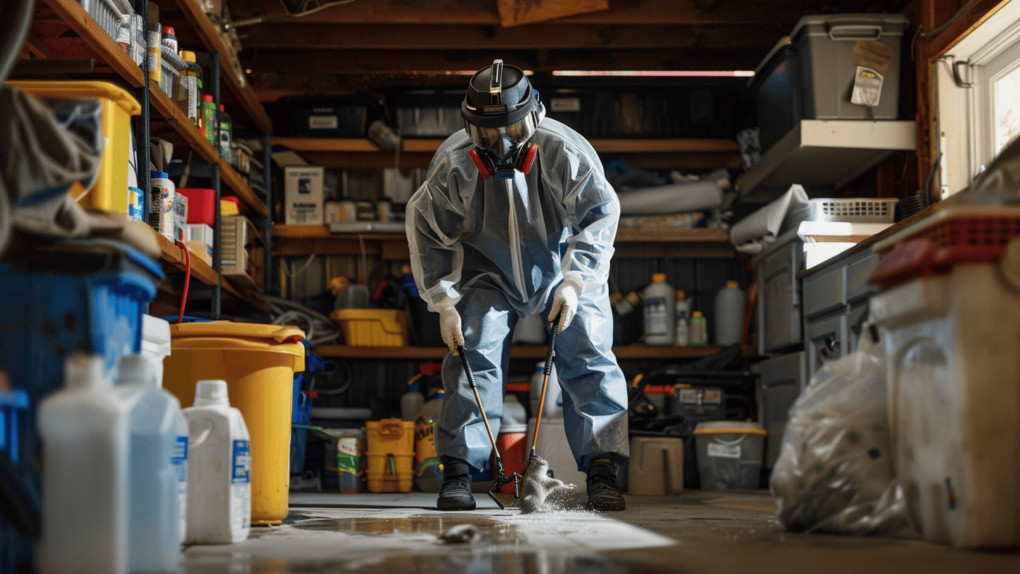
When pests invade homes and businesses, the clock starts ticking on a dangerous timeline that most property owners don't fully understand. What begins as a single sighting or minor annoyance quickly transforms into a health emergency that threatens families, employees, and customers. The speed at which these threats multiply catches even experienced property managers off guard.
Disease transmission, property damage, and reproductive cycles all accelerate simultaneously once pests establish a foothold. Cockroaches spread salmonella and trigger asthma attacks through allergens in their shed skin and feces. Rodents contaminate surfaces with bacteria like hantavirus and leptospirosis through their urine, droppings, and saliva. They also cause property damage by chewing through electrical wires and pipes. Mosquitoes and ticks introduce vector-borne diseases including Zika virus and Lyme disease into previously safe environments.
Understanding this timeline empowers property owners to make informed decisions about when emergency intervention becomes necessary. Same-day pest control services, like the ones Connor's Pest Pros offer, have emerged as a critical defense against these rapidly escalating health risks, offering immediate response when every hour counts.
The first two days after pest detection represent the most crucial period for preventing a manageable problem from becoming a full-scale health emergency. During this narrow window, three critical processes accelerate simultaneously, each amplifying the others in a dangerous cycle that quickly spirals beyond DIY control methods.
Bacterial contamination spreads exponentially as pests move through living spaces, leaving behind droppings, saliva, and shed skin particles. Cockroaches carry various bacteria species on their bodies, including Salmonella and E. coli, depositing pathogens on countertops, dishes, and food preparation areas with each step. Rodents urinate continuously as they travel, creating invisible contamination trails that pose serious health risks to anyone who comes into contact with affected surfaces.
Children and elderly family members face the highest risk during this initial contamination period. Their immune systems struggle to combat the sudden introduction of harmful bacteria, leading to respiratory issues, gastrointestinal problems, and allergic reactions that can require emergency medical attention.
Structural damage accelerates as pests establish nesting sites and feeding patterns throughout the property. Rodents chew through electrical wiring at an alarming rate, creating fire hazards that could affect insurance coverage depending on the specific policy terms and conditions. Homeowners should consult their insurance provider regarding coverage for pest-related damage. Termites can hollow out support beams and wall studs within weeks, leading to costly repairs that far exceed the price of immediate professional intervention.
Water damage often accompanies pest infestations as rodents gnaw through pipes and insects create entry points for moisture. These secondary issues compound repair costs and create additional health hazards through mold growth and structural instability.
Pest reproductive cycles operate on timelines that shock most homeowners. A single female German cockroach produces up to 200-300 offspring during her lifetime, with new generations reaching reproductive maturity in approximately 100 days. This exponential growth means that delaying treatment by even a few days can result in population explosions that require significantly more aggressive and expensive intervention strategies.
Rodent populations follow similar patterns, with mice producing up to 10 litters per year and rats generating 6-8 litters annually. Each litter contains multiple offspring that begin reproducing within months, creating population densities that overwhelm traditional control methods and pose serious health risks to building occupants.
By the seven-day mark, what started as isolated pest sightings has typically evolved into established colonies that affect multiple areas of the property. The transformation from nuisance to health emergency occurs rapidly as pests spread beyond their initial entry points and begin impacting daily life in measurable ways.
Cockroach infestations produce allergens that accumulate in carpets, furniture, and ventilation systems throughout the first week. These proteins become airborne through normal household activities like vacuuming, walking, and air circulation. Cockroach allergens can trigger asthma and respiratory complications, especially in children.
The allergen load increases exponentially as more cockroaches shed skin, produce feces, and die in hidden areas. Even after the visible infestation is eliminated, these allergens can persist for months, continuing to trigger respiratory problems in sensitive individuals. Professional-grade cleaning and treatment become necessary to fully address the health impact.
Rodent urine and droppings contaminate food storage areas, kitchen surfaces, and living spaces as colonies expand their territory. Fresh droppings appear daily in new locations, indicating that the infestation has moved beyond the initial nesting site. Rodents produce a significant number of droppings daily, indicating the extent of the infestation and creating extensive contamination that requires professional-grade cleaning and sanitization.
Grease marks along walls and baseboards indicate established travel routes that connect multiple areas of the property. These pathways become highways for disease transmission as contaminated rodents move between nesting areas and food sources, spreading bacteria throughout the building.
Professional emergency pest control services interrupt the dangerous escalation cycle by addressing all three critical factors simultaneously. Unlike DIY approaches that target visible pests while ignoring root causes, emergency response teams implement strategies that eliminate current threats and prevent future outbreaks.
Pest identification mistakes cost valuable time and allow infestations to spread while ineffective treatments are applied. Professional technicians distinguish between species that require different control methods, preventing the trial-and-error approach that allows health risks to multiply. German cockroaches, for example, respond to different baits and treatment locations than American cockroaches, making accurate identification crucial for successful elimination.
Thorough inspections reveal hidden nesting sites, entry points, and environmental factors that attract and sustain pest populations. This assessment enables targeted treatments that address root causes rather than just visible symptoms, preventing re-infestation and long-term health risks.
Professional containment strategies prevent pests from expanding their territory while treatments take effect. Technicians seal entry points, eliminate food and water sources, and install monitoring systems that track pest movement patterns. This immediate containment stops the contamination cycle and protects unaffected areas from invasion.
Specialized equipment allows professionals to treat areas that DIY methods cannot reach effectively. Dust applicators deliver treatments deep into wall voids where pests nest, while professional-grade sprays penetrate cracks and crevices that harbor disease-carrying insects and rodents.
Commercial-grade pest control products can be more effective than consumer alternatives when properly applied by trained professionals. The effectiveness of pest control products depends on proper application and the specific pest being targeted. These treatments are regulated for safe use by licensed professionals and deliver immediate knockdown of pest populations while maintaining safety for building occupants. Professional baits and sprays target pest biology more precisely, reducing the time needed to achieve complete elimination.
Follow-up monitoring ensures that treatments remain effective and identifies any remaining pest activity before it can rebuild into a new infestation. This ongoing support prevents the cycle of elimination and re-infestation that characterizes many DIY pest control attempts.
Certain warning signs indicate that a pest problem has moved beyond the stage where delayed treatment is acceptable. These red flags signal immediate health risks that require professional intervention within hours, not days or weeks.
When pests appear regularly in kitchens, bathrooms, and living spaces, it indicates that population levels have exceeded the capacity of their hiding places. Cockroaches venture into open areas only when overcrowding forces them from preferred dark locations, suggesting that dozens or hundreds more remain hidden. Multiple sightings during daylight hours represent a particularly urgent situation, as most pest species are naturally nocturnal.
Trails of ants in food preparation areas signal that scout insects have established pheromone pathways leading entire colonies to contamination sources. These visible highways indicate that the infestation has moved beyond individual insects to organized colony behavior that spreads rapidly throughout the property.
New rodent droppings in pantries, cabinets, or near pet food indicate active contamination of food supplies. Fresh droppings appear dark and soft compared to older, dry pellets, showing that rodents are currently accessing areas where families store and prepare food. The location of these droppings reveals travel patterns and nesting proximity that help professionals design effective treatment strategies.
The quantity of droppings provides insight into infestation severity, with numerous fresh pellets indicating multiple rodents or established colonies. Even small amounts of fresh contamination pose serious health risks and require immediate professional attention to prevent disease transmission.
Strange smells emanating from walls, cabinets, or crawl spaces often indicate pest nesting areas or deceased animals that create additional health hazards. Unusual odors, such as a sweet, musty smell, may suggest cockroach infestations, while ammonia-like smells may indicate rodent urine accumulation. These odors intensify as infestations grow and can persist long after visible pest activity decreases.
Scratching, scurrying, or tapping sounds within walls or ceilings reveal pest movement in areas that DIY treatments cannot reach effectively. Night-time activity sounds indicate that pests have established secure nesting sites and travel routes that require professional-grade equipment and expertise to access and treat successfully.
The timeline of health risks associated with pest infestations reveals why immediate action saves both health and money. Every day of delay allows disease transmission to increase, structural damage to worsen, and pest populations to multiply beyond the reach of simple solutions. Professional emergency pest control interrupts this dangerous cycle before it threatens family safety and property value.
Understanding the 24-48 hour critical window empowers property owners to recognize when quick action becomes necessary. The signs are clear: multiple sightings, fresh contamination, and unusual sounds all indicate that the situation has moved beyond DIY capabilities and requires professional intervention to protect health and prevent costly damage.
For emergency pest management services that respond quickly to protect your family's health and property, make sure to contact a local pest control company as soon as possible.


