Most testimonial ads in 2026 get ignored because they sound exactly like ads. But there’s a specific type that achieves 4x higher click-through rates by looking like something a friend would post. The difference comes down to one counterintuitive format choice.
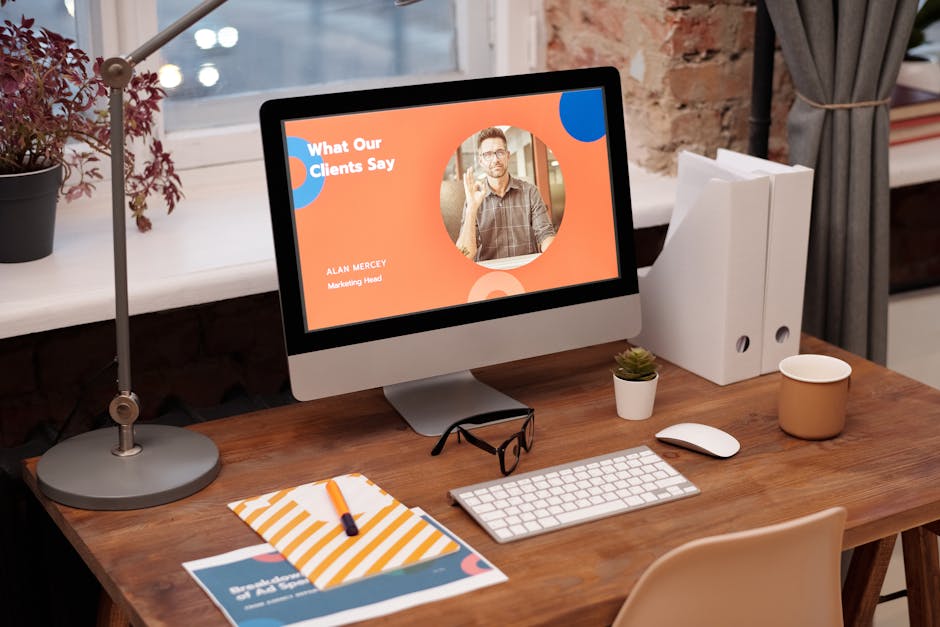
Testimonial ads have always worked. But in 2026, the bar for what "works" has risen sharply. Consumers are more skeptical, more selective, and more informed than ever. The formats and execution strategies that actually move the needle today look different from what was effective even two years ago. This guide breaks down the specific formats driving real results - and exactly how to execute them.
Online reviews and social proof have never carried more weight. According to BrightLocal's 2026 Local Consumer Review Survey, 97% of consumers read reviews before choosing a business, and 93% have made a purchase directly after reading them. Star rating expectations have surged too - 31% of consumers in 2026 will only engage with a business rated 4.5 stars or higher, up from just 17% the year before.
The conclusion? People trust other people more than they trust brands. A testimonial ad doesn't just tell a potential customer your product is good - it shows them someone like them already found it valuable.
Video is the single most powerful testimonial format available on Facebook right now. Research shows 64% of viewers are more likely to purchase a product after watching a video testimonial. The difference between video testimonials and product demo videos comes down to authenticity: a real customer talking about a real result hits differently than a polished explainer.
The format works because it delivers what text cannot: tone, expression, body language, and genuine emotion. Viewers instinctively pick up on whether someone is reading from a script or actually recounting their experience. The most effective video testimonials follow a simple three-part arc - the problem the customer had, how they found the product, and the specific result they got. That structure answers the exact questions a skeptical viewer is asking.
UGC-style testimonial ads are built to look exactly like organic content a real customer would post on their own feed. The production is deliberately low-fi - shot on a phone, natural lighting, no studio setup. That aesthetic is the entire point.
Content that looks like a friend's recommendation gets watched. Content that looks like an ad gets skipped. UGC-style ads work by bypassing the viewer's instinctive ad-detection filter. The performance data backs this up - UGC-based ads on Facebook achieve 4x higher click-through rates and a 50% drop in cost-per-click compared to standard display ads. In Q3 2025, social posts featuring UGC drove over 10x higher conversion rates than non-UGC posts. For DTC and eCommerce brands especially, this format has become the dominant creative approach among high-performing Facebook advertisers.
Instead of relying on a single customer voice, the carousel format lines up multiple testimonials side by side - each one featuring a different customer, a different problem, and a different outcome. This is particularly effective for products that serve a wide audience with varied pain points, because each card has the chance to resonate with a different segment of the same viewer pool.
Lead with your strongest result on the first card - that's the hook. Middle cards should feature diverse customer personas so different viewers see themselves in the proof. Each card should function as a standalone testimonial: name and photo, a specific outcome-focused quote, and a brief descriptor like job title or location. Close the sequence with a CTA card that includes an aggregated review score. The cumulative effect is powerful - by the final card, the viewer has encountered multiple distinct reasons to trust the brand.
Visual contrast is one of the most persuasive tools in advertising. Before-and-after testimonial ads pair a customer's transformation story with side-by-side imagery that communicates value before a single word is read. This format dominates in fitness, skincare, home improvement, and financial services.
One important note: Meta's advertising policies restrict certain types of before-and-after imagery, particularly in health categories. Always review current Meta Advertising Standards before running this format.
Sometimes simplicity wins. A quote-based static ad strips everything back - one compelling customer quote, a clean visual, a strong call to action. No video production, no carousel complexity. The format is fast to produce and highly testable, but it lives or dies on quote selection. "Great product, highly recommend!" goes nowhere. "I closed three new clients in my first week using this system" sparks curiosity and earns the click. This format performs best with warm audiences already familiar with the brand.
Story-driven ads follow a customer through a complete narrative arc: the problem, the discovery, and the transformation. The format is longer and more emotionally immersive, making it ideal for high-ticket products where the purchase decision requires deeper trust-building.
Expert or authority testimonials shift the source of proof from a relatable everyday customer to a recognized figure in a relevant field - a board-certified dermatologist explaining exactly why an ingredient list is clinically sound, for example. The key is specificity and genuine professional relevance.
Across every format, the single biggest predictor of whether a testimonial ad converts is specificity. Vague praise creates no mental image and generates no curiosity. Specific outcomes - numbers, timeframes, named results - tell a story the viewer can visualize. "Increased our sales by 30% in 60 days" is more credible than "amazing results." When collecting testimonials, ask customers for the exact before-and-after: what metric changed, by how much, and in what timeframe.
Not every testimonial format is right for every stage of the funnel. Video and UGC-style ads are best suited for cold audiences who have no prior relationship with the brand - the authenticity and emotional engagement help establish trust from scratch. Quote-based static and story-driven formats tend to perform better with warm audiences who already have some familiarity and just need a final nudge. Carousel ads work well for cold traffic because the multi-card structure casts a wide net across different pain points simultaneously. Matching the format to where a viewer sits in the funnel is what separates a well-structured testimonial strategy from a collection of random creative tests.
Meta's free Ads Library lets any marketer view active ads across any page - a useful starting point for competitive research. For a sharper edge, tools that surface which ads are being actively scaled (based on spend signals and engagement behavior, not just active status) reveal which testimonial formats competitors have validated with real budget. Knowing that a competitor is heavily scaling UGC-style video testimonials while pulling back on static quotes is a meaningful signal - it tells you what's working in the market right now, not just what someone decided to test once.
Using a customer's name, photo, video, or quote in paid advertising without explicit written consent creates serious legal exposure. This applies even when the customer posted the testimonial publicly on their own social media - public posts are not automatically available for commercial use. Build a consent process into your testimonial collection workflow before creative production starts, not after.
The testimonial ad formats that consistently perform in 2026 - video, UGC-style, carousel, before-and-after, quote-based static, story-driven, and expert - all share the same foundation: real people, specific results, and a format matched to where the audience sits in their decision journey. Execution matters, but the strategic layer underneath - which format to use, for which audience, at which stage - is what turns a good creative into a scalable campaign.


