Hundreds of thousands of Americans are already living completely off-grid, but most attempts fail within the first few years. The difference between success and failure often comes down to one critical planning mistake that costs families $50,000+ and forces them back to traditional living.
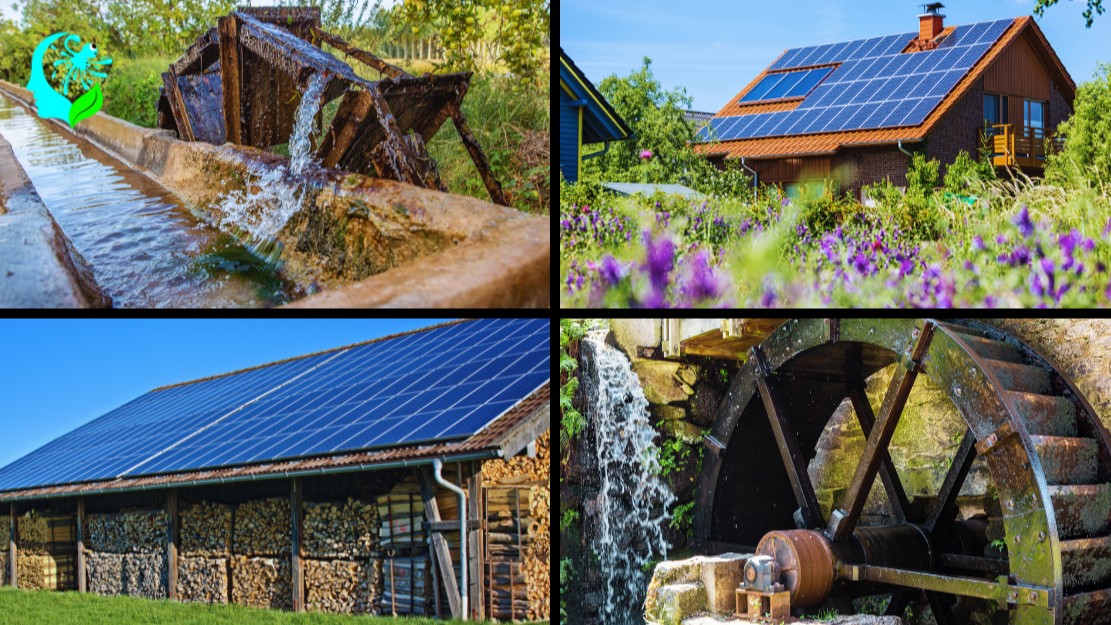
The dream of complete self-sufficiency captures imaginations worldwide, but the reality involves careful planning, substantial investment, and realistic expectations. Modern homesteading offers multiple paths to greater independence without requiring total isolation from society.
Self-sufficient living is more than a fantasy—it's a growing lifestyle choice. Current estimates suggest between 180,000 and 750,000 households across the United States live off the grid, utilizing renewable energy sources and producing much of their own food. These numbers reflect families who've successfully transitioned from traditional utility dependence to varying degrees of self-reliance.
The off-grid movement includes diverse approaches, from weekend homesteaders maintaining city jobs to full-time rural families generating all their power through solar panels and wind turbines. What unites these households is their commitment to reducing external dependencies while maintaining modern comforts. UpRooted Greens offers training programs that bridge the knowledge gap between urban living and sustainable homestead management.
Success stories demonstrate that self-sufficient independence isn't an all-or-nothing proposition. Many families achieve 60-80% independence in specific areas like energy production or food growing, while maintaining connections to broader economic and social networks. This balanced approach often proves more sustainable than attempting complete isolation.
Transitioning to self-sufficient living involves significant upfront investments and long-term commitments that many underestimate. Understanding these costs prevents costly mistakes and helps establish realistic timelines for achieving independence goals.
Initial homestead setup costs vary dramatically based on location, desired amenities, and existing infrastructure. Research indicates most families invest between $50,000 and $150,000 to establish basic off-grid systems, though some setups range from $10,000 to $500,000 depending on the level of self-sufficiency desired.
Solar power systems alone typically cost $15,000-$50,000 for average household needs, while water well drilling and pump installation adds $1,800-$24,500. Building or retrofitting homes with sustainable features, establishing food production areas, and purchasing needed equipment compound these expenses quickly.
Smart homesteaders phase investments over several years, starting with needed systems like water access and basic power generation before expanding into advanced automation and specialized equipment. This approach spreads costs while allowing time to learn each system thoroughly.
Self-sufficient living demands significantly more daily time investment than conventional lifestyles. Homesteading activities including gardening, animal care, food preservation, system maintenance, and seasonal preparations require 20-40 hours weekly beyond regular employment, to start out. Once the infrastructure and systems are built, and matured, that time commitment drops quite a bit, and with the added benefit of automation that time commitment can end up being far less than the regular 9 to 5 grind.
Successful homesteaders develop efficient routines and seasonal workflows that maximize productivity while minimizing daily maintenance. Many find that initial time investments in proper system design and automation reduce long-term labor requirements substantially.
The learning curve extends beyond physical tasks to include financial management, resource planning, and problem-solving skills that suburban living rarely develops. Most families need 2-5 years to establish smooth operational routines.
Modern urban living provides few opportunities to develop homesteading skills like basic construction, electrical work, plumbing, food preservation, and animal husbandry. This skills gap represents a significant barrier that stops many aspiring homesteaders before they start.
Needed competencies include solar system installation and maintenance, water system design, organic gardening, food preservation techniques, basic veterinary care for livestock, and small engine repair. Each skill area requires months or years to develop proficiency.
Successful homesteaders either invest heavily in professional education and hands-on training or partner with experienced mentors who can guide skill development. Online courses, workshops, and apprenticeships provide structured learning paths that accelerate competency development.
Sustainable self-sufficiency rests on five foundational systems that work together to create genuine independence. Mastering these interconnected areas determines the level of autonomy achievable on any homestead.
Energy independence forms the backbone of modern off-grid living, enabling everything from refrigeration and communications to automated farming systems. Solar power remains the most accessible option for most locations, with costs dropping significantly over the past decade.
Wind power supplements solar effectively in areas with consistent wind patterns, while micro-hydroelectric systems provide reliable baseload power near flowing water sources. Battery storage technology allows energy capture during peak production periods for use during low generation times.
Real-world examples demonstrate impressive results. Homesteaders have reduced their daily energy consumption to 7.58 kWh compared to the national average of 17 kWh, achieving 60% reduction through efficient appliances and mindful usage patterns combined with robust solar generation capacity.
Water security requires diversified sourcing strategies that provide redundancy and seasonal reliability. Successful homesteaders typically combine 2-3 water sources including wells, rainwater harvesting, spring capture, or surface water collection.
Modern filtration and purification systems allow safe use of various water sources for different purposes. Gray water recycling systems reduce overall consumption by reusing household water for irrigation and non-potable applications.
Storage capacity planning accounts for seasonal variations and emergency reserves. Most off-grid homes maintain 30-90 days of water storage through underground cisterns, elevated tanks, or pond systems that integrate with landscape design.
Food production represents the most complex pillar of self-sufficiency, requiring diverse skills and significant land management. Complete food independence remains challenging for most homesteaders, but substantial production reduces grocery dependence while improving nutrition and food security.
Successful food systems integrate multiple production methods including vegetable gardens, fruit trees, herb cultivation, and livestock management. Permaculture design principles maximize productivity while building soil health and ecosystem resilience.
Food preservation techniques including canning, freezing, dehydration, fermentation, and root cellaring extend harvest seasons and create year-round food security. Most experienced homesteaders achieve 40-70% food independence while purchasing staples, spices, and specialty items.
Financial independence supports all other self-sufficiency goals by reducing dependence on traditional employment while generating income from homestead activities. Successful homesteaders develop 2-4 revenue streams that complement their lifestyle rather than competing with it.
Popular income sources include direct sales of produce, eggs, and meat to local customers, value-added products like preserves or baked goods, agritourism activities, and skills-based services like consulting or education. Online businesses allow location independence while generating steady income.
The key lies in matching income activities with existing homestead production and personal skills. Families who attempt to force incompatible business models often struggle, while those who build businesses around their natural homestead outputs find sustainable success.
Smart structures begin with passive features in the foundation and shell—sand-based thermal storage, geothermal piping, and earth-to-air heat exchangers that cut heating and cooling loads before you ever flip a switch. Rooflines and walls can double as water harvesters and filtration systems, while passive ventilation and solar orientation lower mechanical demands. Shape matters too: domes and arches distribute snow loads and deflect floodwaters, while greenhouse-wrapped homes in northern climates capture solar gain to extend the growing season. By designing for local climate, hazard resistance, and natural resource capture, these structures become resilient hubs that harvest energy and water while standing tough against the elements.
Despite growing interest in self-sufficient living, many homesteading attempts fail within the first few years. Understanding common failure patterns helps prospective homesteaders avoid costly mistakes and build sustainable systems from the start.
The most common homesteading mistake involves tackling projects individually without considering system integration. Families might install solar panels without adequate battery storage, dig wells without backup water sources, or start gardens without proper soil preparation and water access.
This fragmented approach creates inefficient systems that require constant troubleshooting and expensive retrofits. Successful homesteaders invest time in planning that considers how each system interacts with others before beginning construction or installation.
Integrated design allows systems to support each other, reducing overall costs and maintenance requirements. For example, greywater from household use can irrigate gardens, while garden waste feeds composting systems that build soil for increased food production.
Many aspiring homesteaders jump in with enthusiasm but without a clear understanding of what self-sufficiency requires. Misjudging water needs, underestimating feed requirements, or overlooking zoning restrictions can derail even well-funded projects. Knowledge gaps create blind spots that turn into costly mistakes, making it essential to study, observe, and research before breaking ground.
Knowledge isn’t just about reading a book or watching a video—it’s about context. Knowing that chickens lay eggs is different from understanding their seasonal laying patterns, feed conversion ratios, and predator risks in your specific region. Without that depth of knowledge, you may overbuild or underbuild systems, invest in the wrong breeds, or fail to anticipate how your environment will stress your setup. Successful homesteaders recognize that continuous learning is part of the lifestyle.
A plan on paper means little if you can’t carry it out. Homesteading depends on hands-on skills—plumbing, carpentry, animal care, gardening, electrical work—that take time to build. Without those abilities, repairs get delayed, projects stall, and dependence on outside contractors grows. Over time, the cost of outsourcing every task can turn a promising homestead into a financial burden.
Skills also matter in emergencies, when you can’t wait for professional help. Knowing how to splint a goat’s leg, fix a broken water line, or troubleshoot solar panels at dusk can make the difference between a hiccup and a crisis. The most resilient homesteaders build their skill set steadily, starting with small, low-risk projects that build confidence before tackling complex systems.
Even with knowledge and skills, poor planning can sink a homestead. Failing to map seasonal workloads, ignoring long-term maintenance, or skipping contingency plans for droughts, storms, or power failures leaves families scrambling when challenges arrive. Detailed, step-by-step planning—backed by a realistic timeline and budget—keeps projects on track and prevents overwhelm when multiple systems need attention at once.
Planning also extends to the big picture: land selection, infrastructure layout, and family goals. A poorly chosen site may flood every spring, or a scattered layout may waste hours of labor walking between systems. Without aligning resources, climate, and long-term goals, even the best-built systems can feel disjointed and exhausting to manage. Strategic planning transforms a patchwork of projects into a cohesive, resilient homestead.
Geographic and climatic factors significantly impact homesteading success, yet many families choose locations based on price or aesthetics rather than practical considerations. Areas with extreme weather, poor soil, limited water sources, or restrictive zoning regulations create substantial challenges.
Successful site selection considers solar exposure, water availability, soil quality, growing season length, prevailing winds, and local building codes. Research into regional growing conditions, average rainfall, and seasonal temperature variations prevents costly mistakes.
Even challenging locations can support homesteading with appropriate system design and realistic expectations. Desert homesteads might focus on water harvesting and drought-resistant crops, while northern climates emphasize season extension and efficient heating systems.
Theoretical homesteading knowledge means little without proven implementation strategies. Examining successful real-world examples reveals practical approaches that consistently deliver results across different climates and budgets.
Energy efficiency improvements often deliver better returns than expanding generation capacity. Homesteaders have achieved remarkable results through systematic consumption reduction combined with renewable generation.
Their approach included LED lighting throughout their home, high-efficiency appliances, improved insulation, and strategic usage timing that matched solar production patterns. Smart energy management systems automatically shifted loads to peak production periods, maximizing solar utilization.
Battery storage capacity matched actual usage patterns rather than theoretical maximums, reducing system costs while maintaining reliability. This balanced approach proves more cost-effective than oversized generation systems compensating for inefficient consumption.
Successful homesteaders follow systematic development plans that sequence projects logically and build capabilities progressively. Rather than attempting everything simultaneously, experienced practitioners prioritize needed systems before expanding into advanced capabilities.
Phase one typically includes water access, basic shelter, and minimal power generation. Phase two adds food production, expanded energy systems, and waste management. Phase three incorporates automation, advanced food preservation, and income generation activities.
This phased approach allows skills development to match system complexity while spreading costs over manageable timeframes. Families can test and refine each system before adding new components, preventing overwhelming complexity and expensive mistakes.
Sustainable self-sufficient independence is achievable with proper planning, realistic expectations, and systematic execution. Success requires balancing idealistic goals with practical constraints while building capabilities progressively over time.
The most successful homesteaders begin with clear goals, thorough site analysis, and detailed implementation timelines. They invest in education and skill development before major purchases, seek mentorship from experienced practitioners, and design systems for long-term sustainability rather than short-term convenience.
Starting small allows testing of concepts and refinement of techniques without major financial risk. Many successful homesteaders begin with weekend projects, urban gardening, or energy efficiency improvements before committing to full-scale rural homesteading.
The path toward self-sufficiency offers rewards beyond independence including improved health, stronger family bonds, environmental stewardship, and deep personal satisfaction. While complete independence may remain elusive, meaningful progress toward greater self-reliance enriches life in countless ways.
For guidance on building your homestead from the ground up, UpRooted Greens provides expert training across all aspects of sustainable off-grid living coupled together with live weekly training, live Q&A, community, resources, and technology.


