As donor support declines, countries are under growing pressure to finance their own immunization programs. From national budgets to innovative health taxes, here’s how governments are finding ways to protect every child.
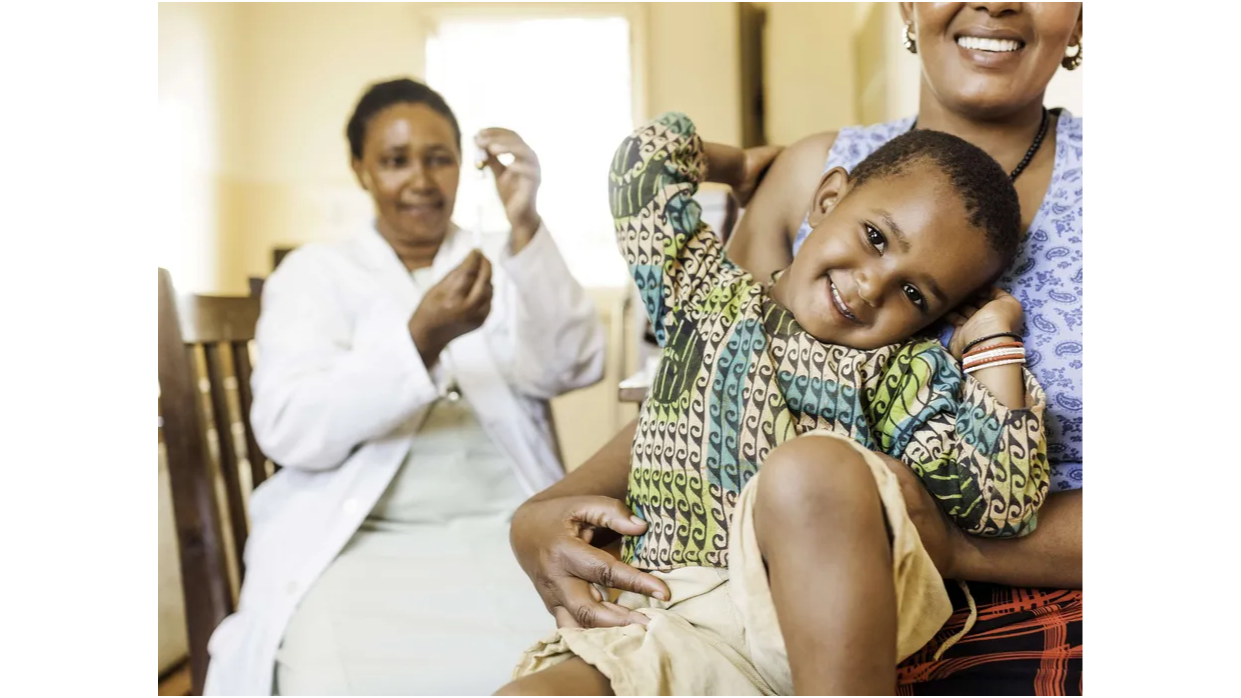
Vaccines save millions of lives each year, but making sure they are available to every child requires reliable funding. For decades, low- and middle-income countries have relied heavily on donor support. Now, as that support gradually decreases, governments face a pressing question: how can they raise sustainable funds to keep immunization programs running?
One of the most effective strategies is domestic resource mobilization — integrating immunization costs directly into national health budgets and medium-term expenditure frameworks. According to Gavi, this budget integration secures predictable funding flows, reduces reliance on external donors, and allows for long-term planning.
In 2024 alone, lower-income countries increased their domestic contributions by 19%, totaling more than US $250 million. Projections estimate over US $4 billion in country contributions between 2026 and 2030 as governments progressively take full ownership.
Many countries use co-financing mechanisms when moving from donor support to self-reliance. These include fixed contribution levels and performance-based financing to help stabilize programs during the transition. across 22 countries shows available resources for immunization rose by 47% — from US $98 million to US $144 million — after external funds were introduced. Sustaining those gains now depends on governments maintaining momentum through domestic budgets.
Beyond standard allocations, some governments are turning to creative funding models. Earmarked "sin taxes" on tobacco, alcohol, or sugary drinks are one way to create new health revenues. In China, policymakers have also looked into using health insurance funds to subsidize vaccines — an example of how financial diversification can strengthen sustainability.
Even the strongest financing plan can fail without cross-sector collaboration. Sustainable immunization funding requires coordination between ministries of health, finance, and planning. Experts note that siloed operations remain a barrier, while strong parliamentary leadership is key to ensuring timely fund releases and greater accountability.
Without strategic planning, funding gaps during donor transitions can threaten vaccine procurement and delivery systems, raising the risk of outbreaks that cross borders. Donor engagement remains critical, with recent pledges totaling US $9 billion to complement domestic financing and support innovation. But in the long term, sustainable immunization relies on governments' ability to prioritize vaccines as part of national health security.
Lawmakers and health advocates are already addressing these challenges. At the April 2025 Istanbul Parliamentary Forum, representatives from 10 African and Asian countries committed to boosting domestic funding for vaccines. focused on building political will, strengthening accountability systems, and exploring innovative financing tools.
As one expert from the Global Health Advocacy Incubator, an organizer of the forum, explained, "Countries must develop political will and adopt innovative financing approaches to sustain immunization programs. The Istanbul Parliamentary Forum created commitments that are already driving real budgetary changes."
The lesson is clear: sustainable immunization funding is about building systems that work. Countries that integrate immunization into their budgets, diversify funding streams, and strengthen political accountability are laying the groundwork for universal vaccine access, even in high-risk or underserved communities.
If you're interested in hearing how lawmakers are turning these strategies into action, the "" podcast features expert voices discussing sustainable financing solutions — offering a closer look at the policies shaping the future of vaccine access.


