Don’t let summer sports sideline you! Discover how chiropractic care and massage therapy can enhance your tennis, pickleball, and golf performance while preventing injuries. CURE Clinic offers specialized treatments that maintain proper body mechanics for longer, pain-free playing seasons.
Summer awakens the athlete in everyone. On tennis courts, at pickleball kitchen lines, or down golf fairways, your body powers every move you make. At CURE clinic, we know peak performance requires more than practice—it demands consistent body maintenance between games.
Summer sports create physical challenges unlike everyday activities. Heat, repetitive motions, and competitive intensity push physical limits. Without maintenance, these demands often cause season-ending injuries or chronic problems affecting daily life.
Many casual athletes miss what professionals understand: top athletes dedicate as much time to recovery and body care as they do to skill work. This approach works for everyone, not just pros. It's fundamental for anyone wanting a pain-free summer sports season with optimal performance.
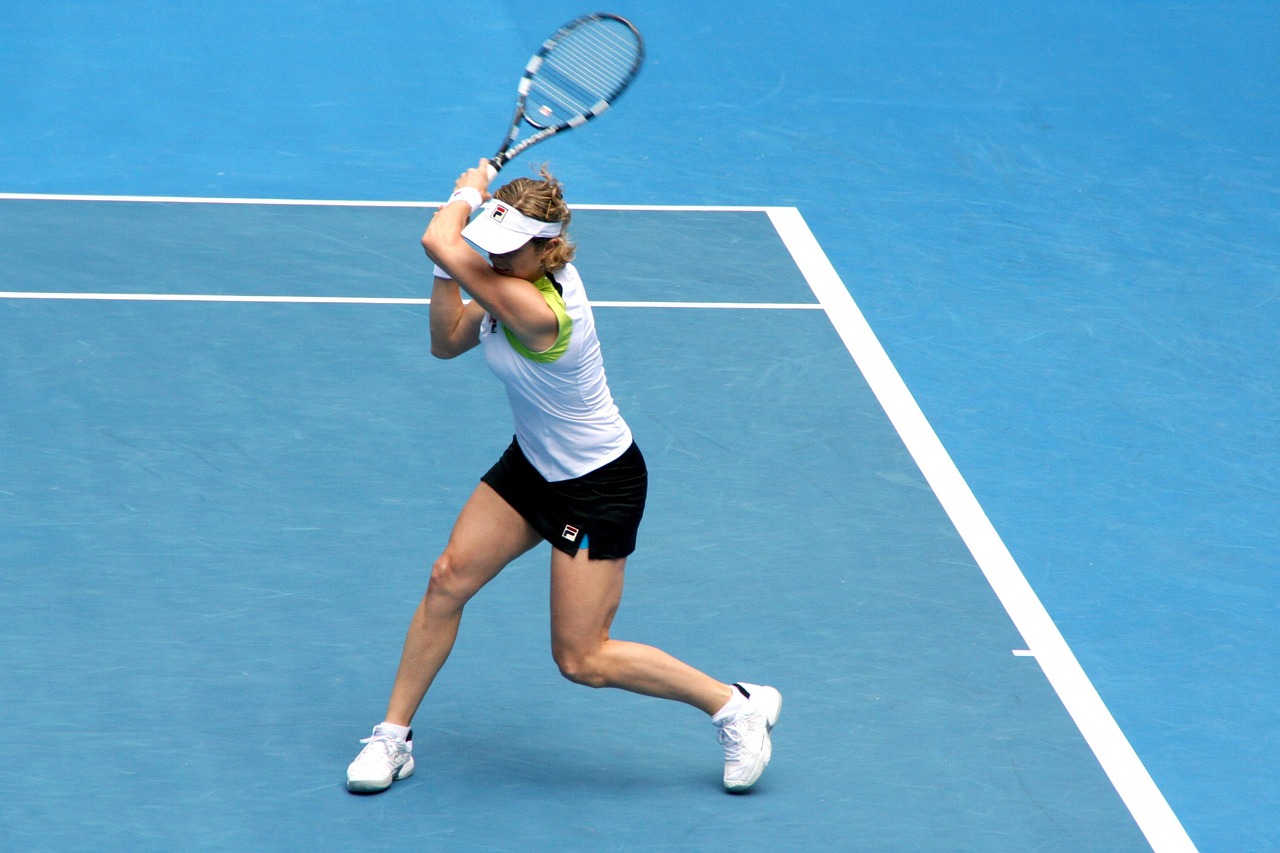
Tennis puts enormous physical stress on the body. Serves, forehands, and backhands create rotational forces that impact the spine, shoulders, and hips. Constant starts, stops, and direction changes significantly stress your joints—especially knees, ankles, and lower back.
What makes tennis particularly challenging is combining explosive power with precision control. Your body must generate force while maintaining balance and accuracy. This demands excellent coordination between your nervous and musculoskeletal systems—coordination that suffers when spine and joints fall out of alignment.
Pickleball seems more accessible than tennis, but creates its own physical challenges. The sport primarily involves side-to-side movement patterns, with players shifting constantly at the kitchen line. Typical rallies last 10-20 seconds, with matches running 35-90 minutes.
These short, intense activity bursts stress different muscle groups than other sports. Quick direction changes and repeated lunges significantly tax the hips, knees, and lower back. Without proper conditioning and maintenance, these movements often cause overuse injuries or sudden acute problems during play.
The mix of quick reactions alongside controlled movements challenges the neuromuscular system. Players need both explosive power and precise control—a balance easier to maintain with proper body alignment and efficient movement.
Golf appears less physically demanding than racket sports initially, but reality differs. The golf swing ranks among sports' most complex movements, requiring coordinated muscle activations and joint movements to generate maximum power and accuracy.
Research identifies five physical foundations essential for optimal golf performance:
Motor control is your brain's ability to coordinate movements with precision. In golf, this means consistent swing replication under varying conditions. Poor motor control results in inconsistent ball striking and on-course frustration.
Proper spinal alignment through chiropractic care directly affects your nervous system's communication with muscles. With aligned spine, neural pathways between brain and muscles work more efficiently, improving motor control and creating more consistent swings.
The golf swing needs significant torso rotation while maintaining lower body stability. Limited spine, hip, or shoulder mobility directly impacts your ability to make a full, powerful swing.
Regular chiropractic adjustments maintain joint mobility throughout the spine and extremities. This helps you achieve positions necessary for effective golf swings without compensations that reduce power or increase injury risk.
Stability and balance create the foundation for powerful golf swings. Without a stable base, energy transfers inefficiently from ground through body to club. Many golfers lose power due to poor core and lower body stability.
Chiropractic care optimizes core stabilizing muscle function by supporting proper nerve function. With aligned spine, stability muscles activate more effectively, creating a solid swing foundation.
Generating club head speed requires strength. While technique matters greatly, physical strength in key muscle groups maximizes distance. Legs, core, and torso rotational muscles all contribute to golf swing power.
Proper spinal and joint function allows more effective strength training. When your body moves without restrictions or compensations, you can target specific muscle groups needed for golf performance, leading to better training results and more distance off the tee.
Beyond total force production, how quickly you produce force matters tremendously. The golf downswing happens in fractions of a second, requiring explosive power rather than just strength.
Chiropractic adjustments remove restrictions that limit rapid force production. With freely moving joints and optimal nervous system function, force generation happens faster—directly increasing club head speed and distance.
Tennis, pickleball, and golf all depend on rotational movements. Your spine forms the axis for this rotation. Misaligned or restricted vertebrae reduce rotational capacity, hurting performance and increasing injury risk.
Chiropractic adjustments restore proper spine alignment and movement, allowing smoother, more powerful rotations. This particularly matters for the thoracic spine (mid-back), which provides much of the rotation in golf swings and tennis serves.
Joint restrictions affect both comfort and performance. Limited shoulder mobility reduces serving power in tennis and pickleball. Restricted hip mobility decreases golf swing power generation and limits court movement.
Chiropractic care restores proper joint function throughout the body, not just the spine. By addressing restrictions in shoulders, elbows, wrists, hips, knees, and ankles, chiropractors help ensure optimal joint function for sport-specific movements.
Many sports injuries come not from single traumatic events but from improper movement patterns repeated thousands of times. Body misalignments create compensations—producing movement patterns that stress joints, tendons, and muscles abnormally.
Chiropractic care identifies and corrects faulty movement patterns before causing injury. By ensuring proper alignment and joint function, chiropractors help you move in ways that distribute forces appropriately throughout your body, reducing wear on vulnerable areas.
Studies show chiropractic adjustments can immediately improve muscle strength and activation. Research found that a single spinal adjustment increased muscle strength by up to 16% in some people.
This muscle function improvement happens because proper spinal alignment enhances nerve communication between brain and muscles. When nerve signals travel without interference, muscles contract more efficiently, generating more power with less effort—a major advantage in all summer sports.
While chiropractic care focuses on joint function and alignment, massage therapy addresses soft tissues—muscles, tendons, and fascia—that power movements. Combined, these therapies provide comprehensive body maintenance that optimizes performance.
Summer sports cause microscopic muscle fiber damage—a normal training response. Without adequate recovery, this damage accumulates, reducing performance and increasing injury risk.
Massage therapy speeds the repair process by increasing circulation to damaged tissues and reducing inflammation. This faster recovery between games and practices maintains consistent performance throughout the season.
Muscle function depends on good blood flow that delivers oxygen and nutrients while removing waste products. Repetitive tennis, pickleball, and golf movements create muscle tension that restricts blood flow.
Massage therapy breaks up this tension, improving working muscle circulation. Better circulation means more efficient muscle function and less fatigue—helping maintain performance longer during matches and rounds.
Summer often means playing consecutive days or multiple sports weekly. Quick recovery becomes critical for maintaining performance and preventing injury.
Regular massage therapy cuts recovery time by addressing intense activity's physical effects. By reducing muscle soreness and stiffness, massage helps you return to sports feeling fresh rather than limited by previous exertion.
Mental factors in sports performance often get underestimated. Tension and stress—from competition or daily life—directly affect coordination, focus, and energy efficiency.
Massage therapy creates relaxation responses that calm the nervous system, reduce stress hormones, and improve mental clarity. This relaxed yet alert state perfectly suits sports performance, supporting focus and quick reactions without unnecessary tension.
Combining chiropractic care with massage therapy creates a powerful approach to maintaining and enhancing physical performance. While each therapy provides significant independent benefits, their effects multiply when used together.
Chiropractic adjustments optimize joint function and nervous system communication, while massage therapy ensures supporting muscles perform optimally. This integrated approach addresses all movement aspects—from nervous system signals initiating movement to executing muscles and facilitating joints.
For summer athletes seeking peak performance and enjoyment, a maintenance plan including both chiropractic care and massage therapy works most effectively. Regular sessions—even when feeling good—prevent problems before they start and maintain optimal body function.
Whether you compete seriously or play recreationally wanting pain-free enjoyment, professional body care noticeably improves how you feel and perform.
CURE Clinic specializes in helping athletes at all levels enhance performance and extend playing careers through expert chiropractic care and massage therapy customized to your specific sporting needs.


