Stump grinding or removal? Understand how each method works, their benefits, and which option fits your yard and plans.
Tree stumps might seem harmless at first, but they can get in the way of landscaping, attract pests like termites and carpenter ants, and even create safety hazards over time. A forgotten stump becomes a tripping risk, a mowing obstacle, and eventually a decaying eyesore that pulls down the look of an otherwise well-maintained yard.
The real question isn't whether to deal with the stump. It's how. Two common options come up: stump grinding and full stump removal. They solve the same problem, but in very different ways, and the right choice depends on what you plan to do with the space afterward.
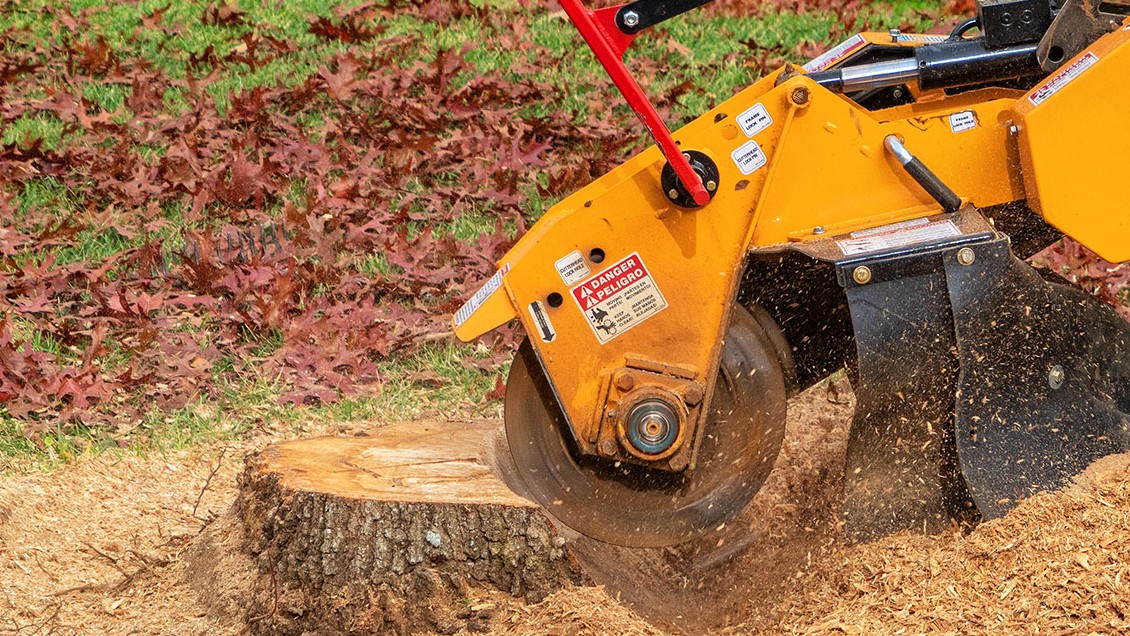
Ohio-based experts from TC Stump Grinding explain that stump grinding focuses on reducing the stump to below ground level. A specialized machine equipped with a rotating carbide-tipped wheel grinds the wood into small chips, typically going 6 to 12 inches below the soil surface. The roots stay in place, left to decompose naturally over several years. The wood chips produced during grinding can be used as mulch or hauled away, and the area can then be covered with topsoil and used for landscaping.
Stump removal, on the other hand, involves pulling the entire stump and root system out of the ground. This process is more intensive and usually requires heavy equipment, think backhoes, excavators, or specialized extraction tools, especially for larger trees with extensive root networks. The result is a complete extraction, but also a significant hole that needs backfilling with clean soil before the area is usable again.
Grinding is usually completed in one to three hours, depending on stump size and wood hardness. A 24-inch stump from a softwood tree like pine can be ground down in under an hour, while a dense hardwood like oak may take longer.
Because the roots stay in place, there's minimal digging and less damage to surrounding lawn, garden beds, and irrigation systems. The machine operates in a contained area, and cleanup is straightforward.
Grinding tends to cost less than full removal due to reduced labor, time, and equipment needs. Most homeowners pay between $150 and $500 depending on stump diameter, while removal can run two to three times higher.
Once the stump is ground down and the chips are cleared or spread, the space looks clean and usable. Grass seed or sod can be laid over the area within weeks.
The root system will naturally decay over time, typically five to ten years depending on tree species and soil conditions, but it doesn't disappear immediately. During decomposition, minor ground settling may occur.
If you plan to plant a new tree in the same spot, leftover roots can interfere with root establishment and compete for nutrients as they break down.
Certain tree species like elms, poplars, and some maples may produce small shoots or suckers from remaining roots. These can usually be managed with herbicide or repeated cutting, but it's worth knowing beforehand.
The entire stump and root system are taken out, leaving no underground structure behind. This provides a true blank slate for whatever comes next.
Ideal if you're planning to build a patio, install a fence, pour concrete, or plant a new tree in the same location. There's nothing left below grade to interfere with footings, root growth, or excavation.
With roots removed, the tree won't come back. There's no risk of suckers, no gradual decomposition, and no surprises years later.
Removal involves significant digging and can leave a large hole, sometimes several feet deep and wide, that needs to be filled with clean soil and compacted properly to prevent settling.
It typically requires more labor, time, and heavier equipment. Costs vary widely based on root spread and accessibility, but removal often runs $300 to $1,500 or more for large stumps.
Nearby plants, lawn areas, and underground utilities may be affected during removal. Root systems often extend far beyond the visible stump and extracting them can disturb a wider area than anticipated.
Grinding is usually the better choice when the goal is to improve appearance and remove surface-level obstacles without major excavation.
It works well when:
For most residential situations, grinding strikes a balance between efficiency and practicality. The stump is gone from view, the space becomes usable, and the process wraps up in a single visit.
Removal becomes more relevant when the stump is in the way of something bigger, or when what's underground matters as much as what's above it.
It makes more sense when:
In these situations, leaving roots behind may create complications later, whether that's settling soil under a patio, roots continuing to push against a foundation, or new shoots emerging through fresh landscaping.
Larger stumps or species with aggressive, spreading root systems—like willows, poplars, or silver maples—may influence the decision. Grinding handles most situations, but extensive root networks sometimes warrant full extraction.
Stumps near foundations, driveways, or underground utilities require careful evaluation. Grinding is often safer near sensitive infrastructure, while removal may be necessary if roots have already caused damage.
Landscaping, construction, or planting goals often determine the best approach. If you're unsure what the area will be used for, grinding keeps options open at lower cost.
Grinding is usually quicker and less expensive, while removal is more thorough but requires more investment in both time and money.
Both stump grinding and stump removal solve the same issue, but they serve different purposes.
Grinding is faster, less invasive, and works well for most residential situations where the priority is clearing the surface and moving on.
Removal is more extensive and better suited for projects that require complete clearance below the surface, construction, replanting, or addressing root-related damage. The right choice ultimately depends on what comes next for the space.


