Sitting all day strains student necks, but simple daily habits can lower risks. Neck Cloud shares easy posture, stretch, and micro-break tips students can use between classes, study sessions, and scrolls.
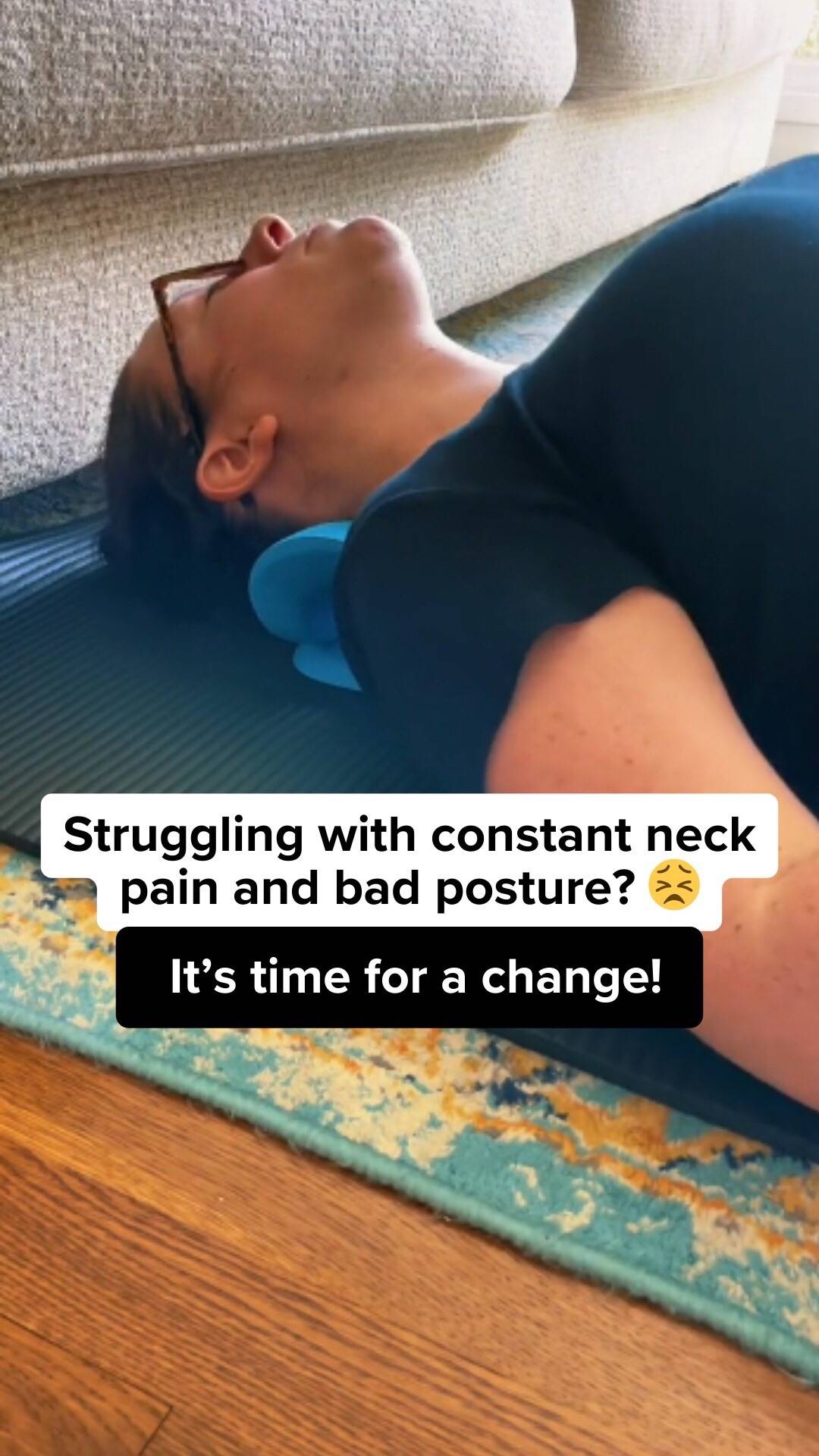
Got neck pain? Hours at desks and on phones load the neck with static tension that builds across the day. The pressure doesn’t usually appear all at once — instead, it sneaks up gradually, leaving students with stiffness, headaches, and difficulty focusing by the afternoon. Small, repeatable steps done often tend to matter more than a single long workout at the end of the week. For students balancing study sessions, classes, and screen-heavy downtime, daily habits become the real game-changer.
According to Neck Cloud, a developer of neck support and muscle stretching products, the best plan is simple and consistent. Many students benefit from a short routine with a quality neck stretching device that encourages gentle traction and relaxation between tasks. The aim isn’t to stretch aggressively but to reset posture and provide the muscles with a chance to release built-up tension.
Ergonomics researchers often recommend brief “micro-breaks” every twenty to thirty minutes to reset posture and reduce strain. Light movement, easy range-of-motion drills, and mindful breathing can help the muscles recover from static desk work. Studies on student posture also show that regular breaks improve focus and reduce fatigue, making good habits beneficial for both body and academic performance.
Before stretching, bring the screen to eye level, plant both feet, and relax your shoulders away from your ears. Roll the shoulders, draw a soft chin tuck, and let your head float tall, as if a string was lifting the crown. This simple reset helps prevent “tech neck” — the forward head posture common among phone and laptop users.
The sub-occipital muscles sit at the base of the skull and act like fine-tuning stabilizers for head position. When they are tight, you may feel band-like tension, eye strain, or dull headaches. Gentle release work, either with targeted stretches or supportive devices, can help those small muscles relax. Over time, consistent release reduces the feeling of heaviness many students report after long hours of study.
Try three slow breaths, a light chin tuck, and five controlled head nods, followed by a brief traction hold on a comfortable surface. Add a minute of gentle side bends and a soft upper-back stretch to reset posture without straining. Done in under five minutes, this mini-routine can fit between classes or during study breaks, helping restore comfort before the next block of desk work.
Easy does it; stretches should feel relieving, not sharp or forceful, and you should stop if pain increases. Neck Cloud adds that short sessions done often are more effective than occasional long sessions, especially during exam weeks. Students should also listen to their bodies: if discomfort persists or worsens, consulting a medical professional is recommended.
Neck Cloud emphasizes that the goal is to reduce tension, improve posture, and keep study days comfortable, not to push through pain. For many, the combination of micro-breaks, mindful posture, and supportive tools provides lasting relief. Building these habits now can pay off well beyond university years, setting students up for healthier study and work patterns in the future. For more background on neck support and stretching products, explore practical posture guidance from experienced developers.


