Most Franklin homeowners don’t realize they have just hours—not days—to prevent thousands in additional damage after a storm hits their roof. The difference between a $500 emergency repair and $15,000 in interior damage often comes down to what you do in those critical first moments.
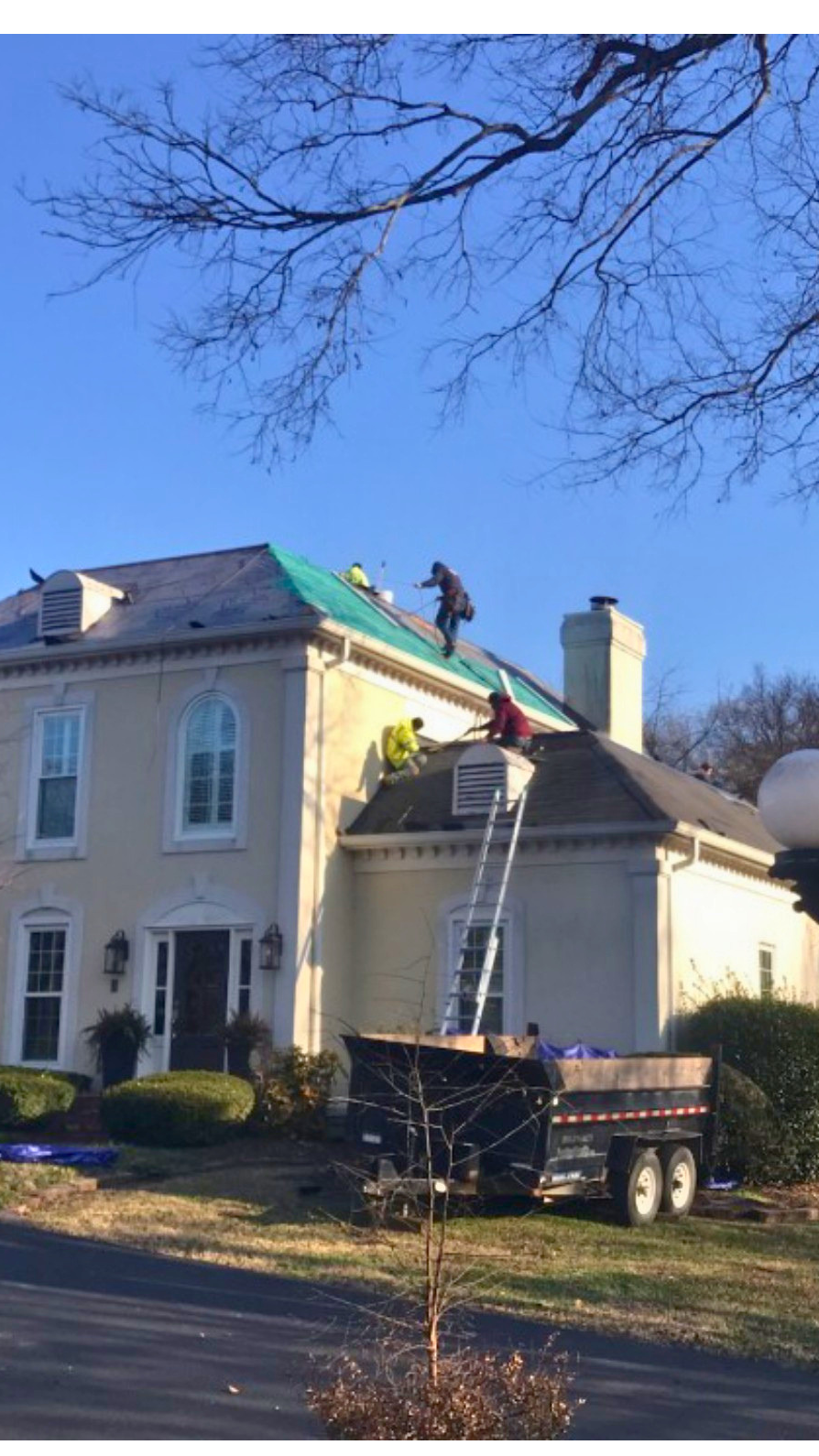
When severe weather strikes Franklin, Tennessee, homeowners face critical decisions in the first hours after a storm. The actions taken immediately after roof damage can mean the difference between manageable repair costs and devastating interior damage that can reach tens of thousands of dollars.
The most dangerous mistake homeowners make after storm damage is climbing onto their roof for inspection. Wet shingles become extremely slippery, and storm damage often compromises the underlying decking structure in ways that aren't immediately visible. What appears to be a simple missing shingle from ground level could indicate significant structural damage underneath.
Professional contractors have the proper safety equipment, training, and insurance to conduct roof inspections safely. They can identify hidden damage that untrained eyes might miss, including compromised flashing, loose fasteners, and subtle signs of impact damage that could lead to leaks months later.
Begin the assessment from the safety of the ground using binoculars if necessary. Look for obvious signs of damage, including missing or displaced shingles, dented gutters, visible impacts from tree limbs, and shingle granules scattered on the ground or in gutters. Check the perimeter of the home for debris that might indicate where damage occurred above.
Pay particular attention to the areas around chimneys, vents, and skylights, as these penetrations are often the first places where storm damage manifests as leaks. Worth Roofing Company specialists emphasize that hail damage can be deceptive, often appearing as subtle bruising on shingles that only becomes apparent during professional inspection.
An interior inspection reveals damage that might not be visible from the outside. Check attic spaces for signs of water intrusion, including wet insulation, water stains on rafters, or daylight visible through the roof structure. In living areas, look for water stains on ceilings, bubbling paint, or new discoloration around light fixtures and ceiling fans.
Don't forget to inspect all levels of the home, as water can travel along structural elements before appearing in unexpected locations. Sometimes roof damage manifests as basement leaks or wall stains far from the actual point of roof penetration.
Detailed documentation forms the foundation of successful insurance claims. Take timestamped photos and videos of all damage, both exterior and interior. Include wide shots that show the overall condition and close-up images that detail specific points of damage. Photograph any debris, scattered shingle granules, and comparative shots of damaged versus undamaged areas.
Create a written log noting the date, time, and weather conditions when damage was discovered. This documentation proves the timeline of events to insurance adjusters and helps establish that mitigation efforts began promptly after the storm.
Emergency tarping becomes critical when storm damage creates openings that expose interior spaces to weather elements. Significant holes in roofing, missing sections of shingles, or damaged flashing around penetrations require immediate temporary protection to prevent additional water damage.
Professional emergency tarping involves more than simply throwing a tarp over damaged areas. Proper installation requires securing the tarp to undamaged structural elements, ensuring adequate overlap, and creating drainage that directs water away from vulnerable areas. Amateur tarping attempts often cause additional damage or prove ineffective during subsequent weather events.
Insurance policies typically require property owners to take immediate, reasonable actions to mitigate ongoing damage after a loss. Professional emergency tarping demonstrates to insurance carriers that homeowners acted responsibly to prevent additional damage. This mitigation effort often affects claim settlements and can prevent policy disputes later in the process.
Keep receipts for all emergency mitigation efforts, as these costs are typically covered under insurance policies as part of the overall claim. Document the tarping process with photos showing both the damage and the protective measures taken.
Most homeowners insurance policies in Middle Tennessee include contractual deadlines that require claims to be filed within 1 year of the storm event. However, some policies contain shorter deadlines, and the specific language varies significantly between carriers. The clock starts ticking from the date of the storm, not when damage is discovered.
This timeline creates urgency around professional roof inspections, especially for hail damage that might not be immediately apparent. Hidden damage that goes undetected for months can still be covered under insurance policies, but only if the claim is filed within the contractual deadline.
Insurance adjusters rely on detailed, professional documentation to assess claims accurately. Professional roofing contractors understand what evidence insurance companies require and can provide the technical knowledge needed to support claims for both visible and hidden damage.
Professional documentation includes detailed measurements, material specifications, code compliance assessments, and photographic evidence that meets insurance industry standards. This level of documentation often determines whether claims are approved quickly or face lengthy disputes and potential denials.
Storm chasers typically arrive in affected areas within days of severe weather, often going door-to-door soliciting business with promises of quick repairs and insurance claim assistance. These contractors frequently use substandard materials, provide no meaningful warranties, and disappear before structural issues become apparent.
Reliable local contractors have established reputations in the community, proper licensing and insurance, and long-term relationships with suppliers and customers. They understand local building codes and weather patterns and have experience working with regional insurance adjusters. Local contractors also remain available for warranty service and ongoing maintenance needs years after initial repairs.
Verify contractor credentials, including current licensing, insurance coverage, and Better Business Bureau ratings. Request references from recent local projects and ask to see examples of completed work in the area. Legitimate contractors welcome these inquiries and are happy to provide documentation of their qualifications.
Emergency roof stabilization in Franklin typically costs between $300 and $1,500, depending on the extent of damage and complexity of temporary repairs. This investment protects against interior damage that can easily reach $5,000 to $15,000 when water penetration affects flooring, walls, electrical systems, and personal belongings.
Interior damage costs escalate rapidly because water affects multiple building systems simultaneously. Wet drywall requires replacement; soaked insulation loses effectiveness and may harbor mold; and electrical systems exposed to moisture pose safety hazards that require immediate professional attention. Hardwood floors, carpeting, and furniture replacement costs often exceed the value of the roof repair itself.
The financial mathematics clearly favors immediate action. Even extensive emergency repairs cost significantly less than allowing continued water intrusion during the days or weeks required to schedule permanent repairs. Time sensitivity makes emergency response a vital investment in property protection.
Handling storm damage requires a combination of technical roofing skills, insurance claim experience, and emergency response capabilities. Professional contractors who specialize in storm damage understand the urgency involved and maintain systems for rapid response when severe weather strikes.
The most successful storm damage recovery involves immediate professional assessment, proper documentation, prompt mitigation efforts, and experienced guidance through the insurance claim process. These elements work together to minimize both property damage and financial impact on homeowners.
When storm damage threatens your Franklin home, contact Worth Roofing Company for professional assessment, emergency repairs, and experienced guidance through the insurance claim process.


