Colorado ranks second nationally for hail damage claims, with average payouts hitting $17,000—but the most expensive problems come from damage you can’t see from the ground. Here’s what professional inspectors look for that homeowners miss.
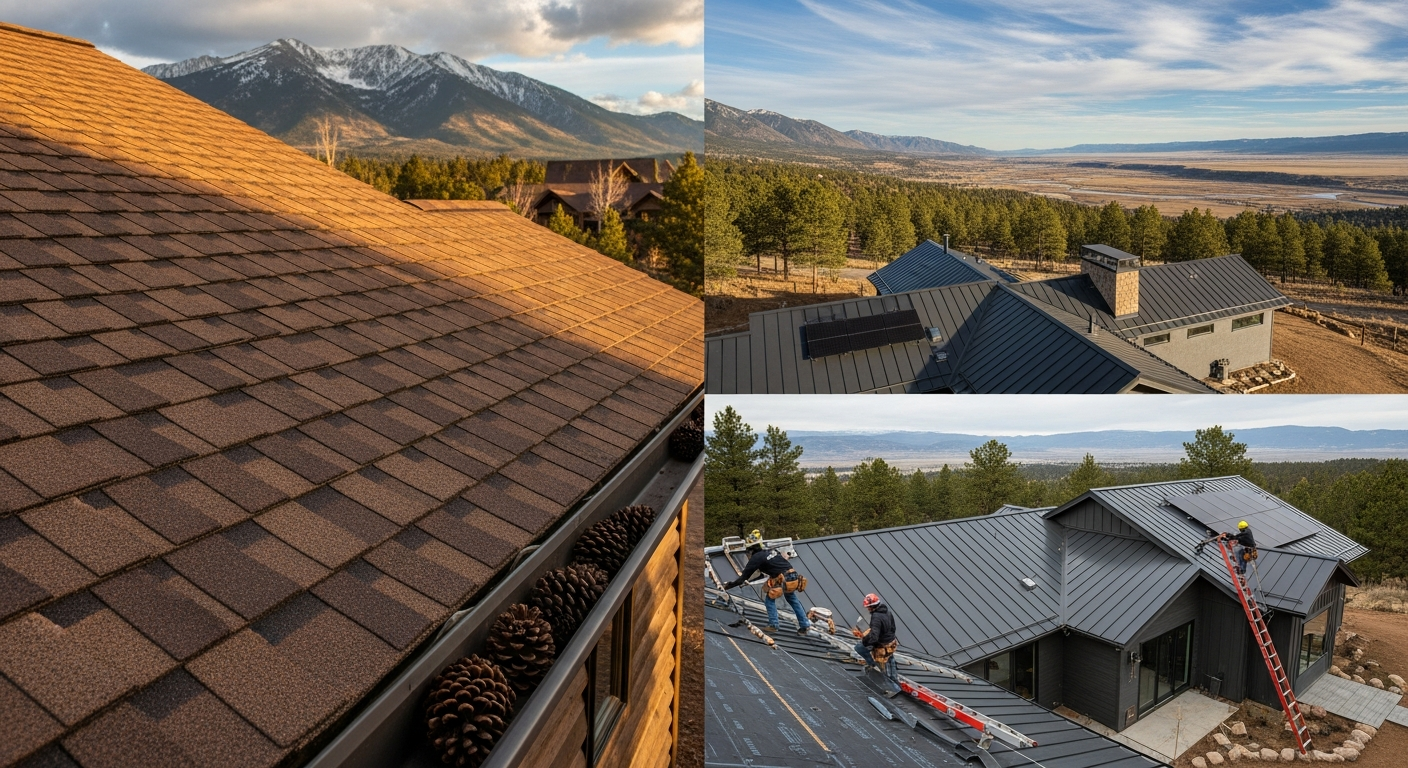
Colorado homeowners face unique roofing challenges that most other states simply don't experience. The combination of intense UV exposure, frequent temperature swings, and severe weather events creates a perfect storm for roof damage. Understanding the complete process of storm damage assessment, insurance claims, and professional replacement helps homeowners protect their most valuable investment while maximizing their insurance benefits.
Colorado holds the unfortunate distinction of ranking second nationally for hail-related insurance claims, with major storms causing billions in damages during severe weather years. The Denver Metro area has earned the nickname "Hail Alley" due to its frequent severe hailstorms that can develop rapidly along the Front Range. These storms don't just create minor cosmetic damage - they represent a serious threat to roof integrity and home protection.
The average insurance payout for hail damage in Colorado reached approximately $17,000 in 2023, reflecting the severity of storm impacts on residential properties. This figure includes not just roof repairs, but often complete replacements along with associated damages to gutters, siding, and windows. The geographic positioning of Colorado creates unique atmospheric conditions where warm, moist air from the plains collides with cold mountain air, generating powerful updrafts that create large, destructive hailstones.
What makes Colorado's hail problem particularly challenging is the unpredictable nature of these storms. Peak to Peak Roofing & Exteriors regularly responds to damage calls where homeowners had no advance warning of severe weather, leaving them scrambling to assess and document damage quickly. The frequency and intensity of these events make professional inspection and prompt response critical for protecting both immediate safety and long-term property value.
Storm damage extends far beyond visible holes or missing shingles. The most costly problems often develop from damage that remains hidden for months or years after the initial weather event. Understanding these invisible threats helps homeowners recognize when professional inspection becomes necessary, even when everything appears normal from ground level.
Hail impact creates "bruising" on asphalt shingles that isn't immediately visible from the ground. This damage appears as soft spots where the granule layer has been compromised and the underlying mat has been compressed. Over time, these bruised areas allow moisture penetration that gradually weakens the shingle structure. The damage accelerates as temperature fluctuations cause the compromised material to expand and contract, creating micro-fractures that eventually become full leaks.
Professional inspectors identify this bruising by walking the roof surface and feeling for soft spots that indicate internal damage. What appears as minor surface damage from below often reveals extensive compromised areas when examined up close. These bruised sections lose their protective capabilities immediately, even though visible failure may not occur for several seasons.
High winds in Colorado create multiple failure points that aren't always obvious during initial inspections. Wind can lift shingles partially, breaking the seal strips that hold them in place without completely removing the shingle. This partial lifting creates entry points for water and debris while leaving the shingle visually intact from ground level.
Flashing around chimneys, vents, and roof penetrations suffers particular damage from wind events. The metal components can be twisted, lifted, or separated from their sealed connections, creating immediate leak risks. Wind also turns loose debris into projectiles that can puncture or dent roofing materials, creating additional failure points that compound over time.
Professional roof inspection goes beyond visual assessment to include moisture detection, structural evaluation, and detailed documentation. Trained inspectors use specialized equipment to identify water intrusion that hasn't yet created visible staining inside the home. They also assess the condition of decking, underlayment, and structural components that support the visible roofing system.
The inspection process includes detailed photography and measurement that becomes vital for insurance claims. Professional documentation links specific damage patterns to weather events, creating the evidence trail needed for successful claim processing. This thorough approach often reveals significantly more damage than homeowners initially suspected, leading to more complete repairs and better long-term outcomes.
Successfully managing the insurance claims process for storm damage requires understanding how insurance companies evaluate damage and determine coverage. The process involves multiple steps that must be completed correctly to ensure maximum benefit recovery and avoid claim denials that could leave homeowners responsible for expensive repairs.
Insurance companies require verification that damage resulted from a specific weather event covered by your policy. This means establishing that a documented storm occurred at your property location during the timeframe when damage likely occurred. Weather services maintain detailed records of hail size, wind speeds, and storm paths that insurance adjusters use to validate claims.
The timing of damage reporting becomes critical for claim success. Insurance policies typically require prompt notification of damage, and delays can complicate the claims process. Homeowners should document the date they first noticed damage and correlate it with recent weather events in their area. Professional contractors often maintain databases of storm events that help establish this critical timeline connection.
Insurance adjusters look for damage patterns that match the type of weather event being claimed. Hail damage creates distinctive patterns of granule loss and impact marks that differ significantly from wear-and-tear or other types of damage. Wind damage shows specific patterns of lifting, tearing, and debris impact that trained professionals can identify and document.
The assessment process requires detailed knowledge of how different materials respond to various weather conditions. Professional contractors who specialize in storm damage restoration understand these patterns and can present evidence in ways that insurance adjusters recognize and accept. This expertise often means the difference between partial coverage and full replacement approval.
Insurance companies use specific criteria to determine whether damage warrants full roof replacement versus partial repairs. A general guideline suggests that if repairs exceed 30% of the roof area, or if labor and material costs approach half the price of complete replacement, full replacement becomes justified. However, each insurance company maintains its own specific thresholds and evaluation methods.
The age and condition of the existing roof also influence replacement decisions. Newer roofs may qualify for full replacement with less damage than older systems. Insurance adjusters also consider whether the remaining undamaged portions can be effectively integrated with new materials, as mismatched repairs often create long-term problems that justify complete replacement.
A complete storm damage replacement process requires coordination between inspection, insurance advocacy, and professional installation. Each phase builds upon the previous steps to ensure successful outcomes that restore full protection while maximizing insurance benefits and maintaining compliance with local building requirements.
The inspection process begins with thorough roof evaluation using specialized equipment and techniques that reveal both visible and hidden damage. Professional inspectors document damage patterns, measure affected areas, and photograph evidence from multiple angles to create detailed records. This documentation includes precise measurements, material identification, and damage severity assessments that support insurance claims.
Emergency protection measures may be implemented during initial inspection if active leaks or structural compromises threaten immediate property damage. Temporary repairs and tarping protect the interior while permanent restoration planning proceeds. These emergency measures are typically covered by insurance and prevent minor damage from escalating into major structural problems.
Professional advocacy during the insurance claims process ensures that all damage is properly identified, documented, and included in settlement calculations. Experienced contractors understand insurance company procedures, terminology, and evaluation methods that influence claim outcomes. They can present evidence in formats that insurance adjusters recognize and process efficiently.
Settlement negotiation involves reviewing adjuster assessments, identifying overlooked damage, and ensuring that repair specifications match actual project requirements. Professional advocates often identify discrepancies between adjuster estimates and real-world installation costs, leading to supplemental claims that cover the full scope of necessary work. This advocacy typically results in higher settlement amounts and more complete coverage.
Professional installation begins with obtaining required permits and ensuring compliance with local building codes that may have updated since the original roof installation. Most Colorado municipalities, including Denver, require roofing permits before work begins, along with final inspections after completion. This regulatory compliance protects homeowners and ensures that new installations meet current safety and performance standards.
The installation timeline typically ranges from one to three weeks, depending on roof complexity, material selection, and weather conditions. However, the actual installation phase for standard asphalt shingle replacement often completes within two to three days. Proper planning addresses material delivery, equipment access, weather protection, and site safety to ensure efficient completion without compromising quality.
Colorado's climate demands careful material selection that balances performance, longevity, and cost considerations. The state's extreme weather conditions - including frequent hailstorms, intense UV exposure, dramatic temperature swings, and heavy snow loads - significantly impact material performance and lifespan. Understanding these factors helps homeowners make informed decisions that optimize long-term value.
Asphalt shingles remain the most popular roofing choice in Colorado due to their balance of cost, performance, and availability. In Colorado's climate, quality asphalt shingles typically last 15-25 years, though this lifespan can be significantly shortened by severe weather events. The key factors affecting asphalt shingle performance include granule quality, mat construction, and impact resistance ratings.
Higher-grade architectural shingles offer better performance than basic three-tab options, with improved wind resistance and better granule adhesion. Impact-resistant shingles, rated Class 3 or Class 4, provide superior hail protection and often qualify for insurance discounts that offset their higher initial cost. These specialized products use modified asphalt formulations and reinforced construction that better withstand Colorado's challenging weather conditions.
Metal roofing systems offer exceptional longevity and weather resistance, typically lasting 40-70 years in Colorado's climate. Steel, aluminum, and copper options each provide different benefits for specific applications and budgets. Metal roofs excel in hail resistance, with most systems able to withstand significant impact without compromising waterproof integrity.
The initial cost premium for metal roofing often pays dividends through reduced maintenance, energy efficiency benefits, and exceptional storm resistance. Standing seam and stone-coated steel systems provide particularly good performance in Colorado conditions. Many metal roofing products qualify for significant insurance discounts due to their proven resistance to hail, wind, and fire damage.
Clay and concrete tiles offer 50+ year performance in Colorado's intense UV and storm conditions. These materials provide excellent thermal performance, fire resistance, and weather durability that justifies their higher installation costs. Tile systems require specialized installation techniques and structural considerations due to their increased weight.
Modern tile designs include impact-resistant formulations that better withstand hail damage while maintaining the aesthetic appeal of traditional tile roofing. Concrete tiles offer more color options and lower costs than clay alternatives while providing similar performance characteristics. Both materials require minimal maintenance and often last the lifetime of the structure when properly installed.
The distinction between established local contractors and out-of-state "storm chasers" becomes critical when selecting a roofing company for storm damage replacement. Local contractors offer accountability, ongoing service relationships, and deep understanding of Colorado-specific building requirements that traveling contractors simply cannot match.
Storm chasers typically appear after major weather events, offering quick repairs and immediate insurance claim assistance. However, these companies often lack local licensing, proper insurance coverage, and long-term commitment to quality outcomes. They may use substandard materials, skip required permits, or leave projects incomplete when moving to the next storm-affected area.
Local contractors maintain permanent business locations, established supplier relationships, and ongoing accountability to their communities. They understand local building codes, permit requirements, and climate-specific installation techniques that ensure lasting performance. Local companies also provide warranty service and ongoing maintenance support that storm chasers cannot offer once they leave the area.
Established local contractors typically carry proper insurance, maintain required licensing, and participate in professional organizations that require ongoing education and quality standards. These credentials provide homeowners with recourse and protection that may not exist with temporary storm chasing operations.
For Colorado homeowners facing storm damage roof replacement, Peak to Peak Roofing & Exteriors provides complete local expertise, insurance advocacy, and quality installation services throughout the Denver Metro area and surrounding regions.


