Chronic back pain sufferers are flocking to Korean clinics for stem cell therapy, where specialized treatment protocols are achieving 40% success rates. But what makes Korean approaches different, and could this controversial therapy actually regenerate damaged spinal discs naturally?
Back pain affects millions worldwide, sending people on endless searches for relief that actually lasts. While traditional treatments often mask symptoms temporarily, stem cell therapy offers something different - the potential to heal damaged tissue at its source. Korean medical centers are now at the forefront of this approach, combining advanced technology with treatment protocols that are giving chronic pain sufferers real hope for recovery.
Seoul has emerged as a global destination for stem cell therapy, particularly for spinal conditions that have resisted traditional treatment methods. Korean clinics have developed specialized protocols that combine stem cell injections with targeted rehabilitation programs. These facilities report success rates that often exceed international averages, thanks to their focus on precision medicine and individualized treatment approaches.
The Korean approach differs significantly from Western models. Rather than viewing stem cell therapy as a standalone procedure, Korean specialists integrate it into treatment plans that address the underlying biomechanical issues contributing to disc degeneration. Understanding the complete cost structure and treatment options available in Korea helps patients make informed decisions about pursuing this therapy.
What sets Korean clinics apart is their emphasis on using the body's own healing mechanisms. Korean medical centers promote tissue repair and functional restoration without requiring major surgical intervention. This philosophy aligns with growing evidence that stem cells work primarily through paracrine signaling - essentially coaching the body's existing cells to repair themselves more effectively.
Unlike pain medications or steroid injections that provide temporary relief, stem cell therapy addresses the fundamental problem: damaged and degenerating disc tissue. The intervertebral discs act as shock absorbers between vertebrae, but over time, they lose their ability to maintain proper hydration and structural integrity. This leads to inflammation, nerve compression, and the chronic pain cycle that traditional treatments struggle to break.
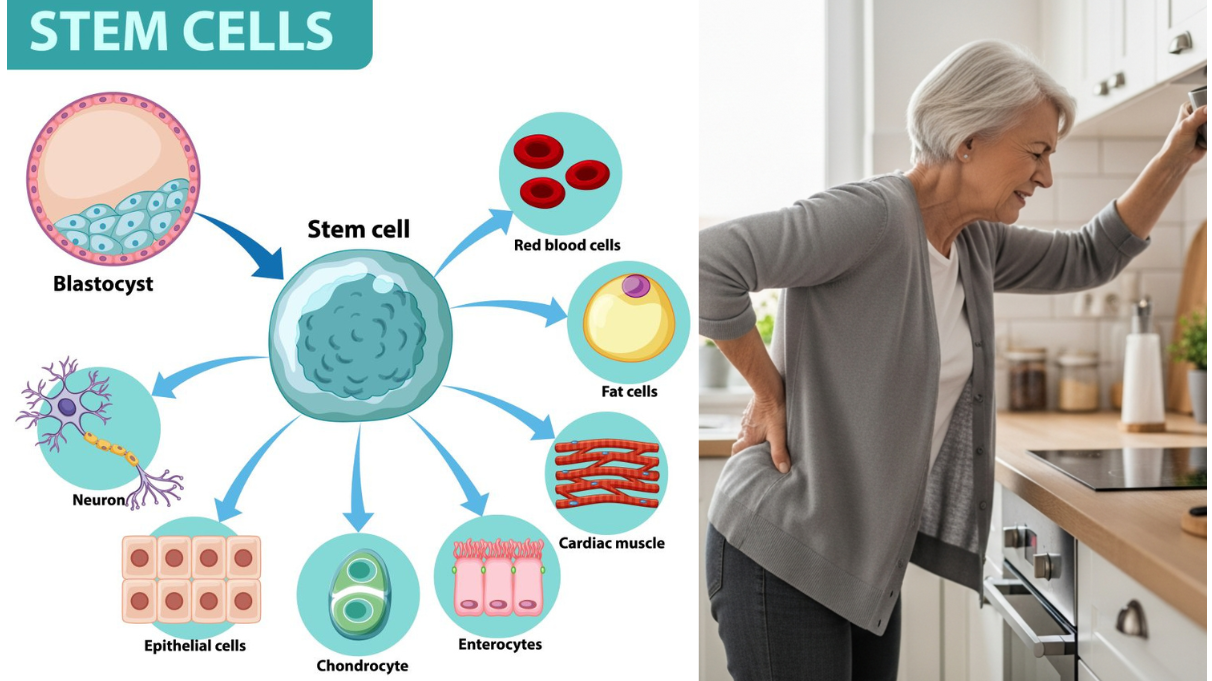
Mesenchymal stem cells (MSCs) possess the remarkable ability to differentiate into various cell types, including those that make up healthy disc tissue. When injected directly into the affected disc, these cells can transform into nucleus pulposus cells - the specialized cells responsible for maintaining the disc's water content and cushioning properties. Research shows that implanted MSCs not only replace damaged cells but also stimulate the production of type II collagen and proteoglycans, essential components of healthy disc matrix.
Chronic back pain often involves a cascade of inflammatory responses that perpetuate tissue damage. Stem cells act as natural anti-inflammatory agents, secreting bioactive factors that reduce pro-inflammatory cytokines like IL-1, IL-6, and TNF-alpha. This immunomodulatory effect creates a healing environment that allows damaged tissues to recover rather than continuing the cycle of inflammation and degeneration.
The minimally invasive nature of stem cell injections represents a significant advantage over traditional surgical approaches. The procedure typically involves harvesting stem cells from the patient's bone marrow or adipose tissue, processing them in a centrifuge to create a concentrated solution called Bone Marrow Aspirate Concentrate (BMAC), then injecting them directly into the affected disc using image guidance. This outpatient procedure avoids the risks associated with spinal surgery while potentially achieving similar or better long-term outcomes.
The scientific evidence supporting stem cell therapy for back pain continues to evolve, with researchers reporting both promising outcomes and limitations that patients should understand before pursuing treatment.
A 2022 review analyzed multiple clinical trials involving stem cell injections for lower back pain, revealing that 40.7% of patients experienced significant pain reduction after six months. However, only 30% reported functional improvement - a distinction that highlights the complexity of measuring treatment success. While pain reduction is certainly valuable, the ability to return to normal activities represents the ultimate goal for most patients.
More encouraging data comes from longer-term studies, including a clinical trial at Emory Orthopaedics & Spine Center that followed patients for 12 months after receiving a single stem cell injection. Results showed that participants experienced over 50% reduction in lower back pain that persisted throughout the follow-up period. Additionally, patients required significantly less pain medication and avoided additional interventions they might otherwise have needed.
Research published in PubMed Central found that intradiscal mesenchymal stem cells led to ≥50% reduction in low back pain in 69% of patients, compared to just 33% in control groups. These results suggest that while not everyone responds to treatment, those who do often experience substantial and lasting relief.
Research into stem cell therapy for spinal conditions covers a range of degenerative and traumatic injuries, explains Lydian Cosmetic Surgery Clinic, though some applications show more promise than others based on current evidence.
Degenerative disc disease represents the most extensively studied application for stem cell therapy. The condition involves progressive breakdown of the intervertebral disc's structure, leading to reduced height, dehydration, and eventual collapse. Animal studies consistently show that MSC injections can increase disc height, improve hydration (as measured by T2 signal on MRI), and restore extracellular matrix content. Human trials have produced mixed results, with some patients experiencing significant improvement while others show minimal response.
Herniated discs occur when the soft inner material pushes through cracks in the outer disc wall, potentially compressing nearby nerves. Stem cell therapy for disc herniations aims to strengthen the disc wall and reduce the inflammatory response that often causes persistent pain even after the herniation itself has stabilized. Clinical evidence suggests that stem cells may be most effective for treating the chronic pain associated with disc herniations rather than reversing the structural damage itself.
An emerging application involves using stem cell therapy to improve recovery following traditional spinal surgery. Clinical observations suggest that patients receiving stem cell treatments after spinal procedures often experience faster healing times and reduced complications. This approach recognizes that even successful surgery creates tissue trauma that stem cells may help resolve more quickly and completely.
Stem cell therapy costs vary significantly based on multiple factors, making it essential for patients to understand what drives pricing differences between providers and geographic regions.
Autologous stem cells (harvested from the patient's own body) typically cost more than allogeneic cells (from donors) due to the additional processing required. However, autologous cells eliminate rejection risks and may be more effective for certain applications. The severity and extent of disc degeneration also affect pricing, as more advanced cases may require larger volumes of stem cells or multiple injection sessions.
While some patients achieve satisfactory results from a single injection, others may benefit from a series of treatments spaced weeks or months apart. Each additional injection increases the total treatment cost, though many clinics offer package pricing for multiple sessions. Programs that include physical therapy, nutritional counseling, or other complementary treatments will naturally cost more than standalone injection procedures.
Geographic location significantly impacts treatment costs, with procedures in major metropolitan areas typically commanding higher prices than those in smaller cities. Korea has emerged as an attractive destination not only for its clinical expertise but also for cost-effective treatment packages that often include accommodation and transportation. Korean clinics frequently offer packages that compare favorably to standalone procedures in Western countries while providing additional services and extended follow-up care.
The combination of advanced medical technology, experienced specialists, and treatment approaches has positioned Korea as a leading destination for stem cell therapy medical tourism.
Seoul's medical district houses some of the world's most advanced stem cell research facilities, with clinics pioneering new injection techniques and treatment protocols. These facilities invest heavily in research and development, often offering patients access to treatments not yet widely available elsewhere. The concentration of expertise in a relatively small geographic area also facilitates collaboration between specialists, leading to more refined treatment approaches.
Korean clinics excel at integrating stem cell therapy with complementary treatments like targeted rehabilitation, nutritional optimization, and traditional Eastern medicine practices. This holistic approach recognizes that successful treatment often requires addressing multiple factors contributing to disc degeneration, not just the biological aspects that stem cells can influence. Patients frequently report that this approach produces better overall outcomes than isolated treatments.
The decision to pursue stem cell therapy represents an investment in long-term health rather than a quick fix for chronic pain. Patients who combine the treatment with lifestyle modifications, appropriate exercise programs, and ongoing medical supervision typically achieve the best results. While not everyone will experience dramatic improvement, many patients find that stem cell therapy provides the foundation for a more active, pain-free lifestyle than they thought possible.


