Chronic back pain sufferers are turning to stem cell therapy as an alternative to surgery, but the results might surprise you. While more than 40 percent experience pain relief, there’s a crucial detail about functional improvement that could change your decision entirely.
As global health systems report rising disability linked to spinal disorders, chronic low back pain has become one of the leading causes of years lived with disability worldwide, according to a recent report in The Lancet. Large population studies published in the British Medical Journal and Annals of the Rheumatic Diseases also confirm that millions continue to struggle despite conventional treatments such as medication management, physical therapy, and surgery.
With many patients still experiencing persistent symptoms, researchers have turned attention to regenerative medicine—an emerging field highlighted in research published in Pain Physician, among others. Unlike traditional approaches that focus on symptom control, regenerative therapies aim to address underlying disc degeneration and tissue damage, signaling a potential shift toward interventions that target the biological source of disc-related back pain.
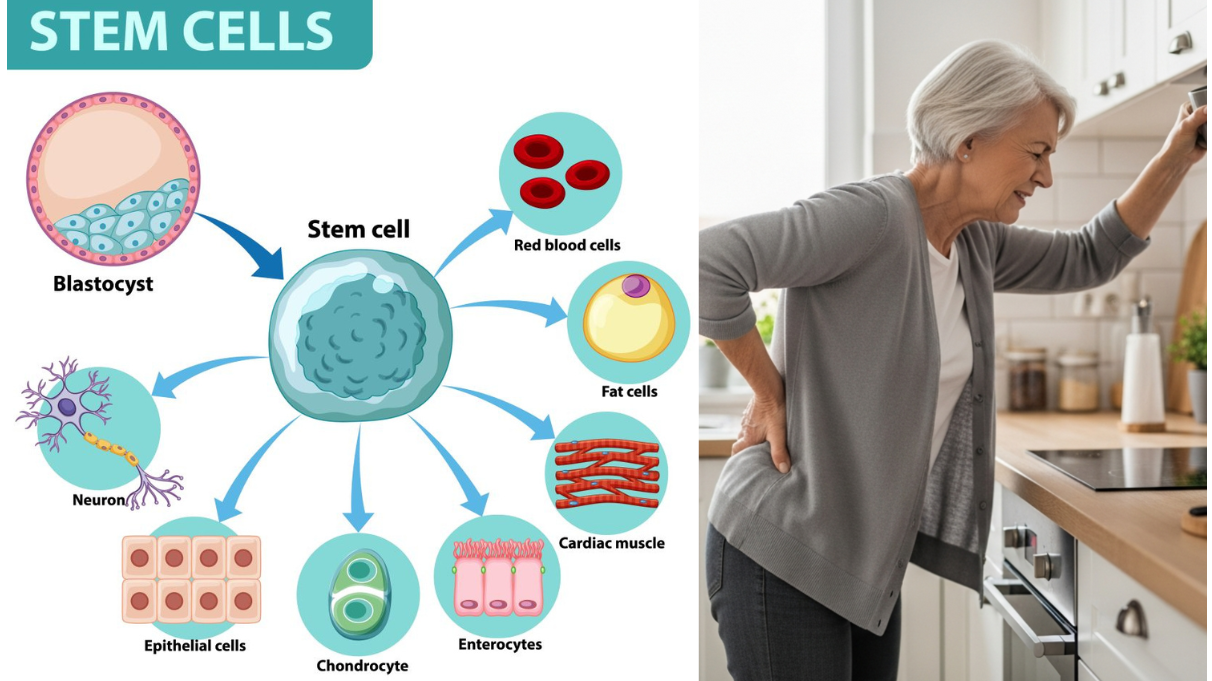
Stem cell therapy represents a regenerative approach that focuses on the body's natural repair mechanisms rather than removing or fusing damaged tissue. Unlike traditional spinal surgery, which can reduce spine mobility and potentially accelerate degeneration in adjacent segments, stem cell treatment aims to restore disc function by promoting tissue regeneration and reducing inflammation at the cellular level.
The procedure utilizes mesenchymal stem cells (MSCs) that can transform into multiple tissue types, including bone, cartilage, and muscle. This targeted approach addresses deteriorated spinal discs by encouraging the body to rebuild damaged structures rather than working around them. To help meet the global need, highly trained surgeons in Korea are offering this treatment as they recognize its potential to help patients avoid more invasive procedures.
The minimally invasive nature of stem cell injections means patients typically experience less post-procedure pain and require shorter recovery periods compared to traditional back surgery. Most importantly, this approach may reduce the need for opioid pain management by addressing the underlying cause of pain rather than masking symptoms.
Research on stem cell therapy for back pain reveals promising but variable outcomes. A 2022 review found that 40.7% of patients experienced meaningful pain reduction six months after treatment, though functional improvement occurred in only 30% of participants. These statistics highlight the therapy's potential while acknowledging that results aren't universal.
The variability in outcomes often depends on factors such as the severity of disc degeneration, patient age, overall health status, and the specific type of stem cell therapy used. Some patients report significant pain relief and improved mobility, while others experience more modest benefits.
The effectiveness of stem cell therapy largely depends on the regenerative capabilities of mesenchymal stem cells. These specialized cells can differentiate into various tissue types needed for spinal repair, including cartilage for disc regeneration, bone for structural support, and muscle tissue for surrounding support structures. MSCs also produce structural proteins and can modulate inflammation, creating an environment conducive to natural healing. The cells work by stimulating the body's repair mechanisms and can potentially restore disc cellularity that has been lost due to degeneration or injury.
Ideal candidates for stem cell therapy typically include individuals with chronic disc degeneration, herniated discs, or discogenic back pain who haven't responded adequately to conservative treatments like physical therapy or medications. Patients facing the prospect of spinal fusion surgery often make excellent candidates, as stem cell therapy may offer an alternative that preserves spinal mobility. However, the treatment isn't recommended for all spinal conditions - conditions like spinal stenosis, scoliosis, and spondylolisthesis show mixed or poor responses to stem cell therapy. Age, overall health, and the extent of disc damage all factor into candidacy decisions.
The stem cell therapy process involves three distinct phases, each critical to treatment success. The entire procedure typically takes place in an outpatient setting and can be completed within a few hours, though preparation and processing may extend the timeline.
Stem cell harvesting begins with extracting cells from the patient's own body, most commonly from bone marrow or adipose (fat) tissue. Bone marrow extraction typically occurs from the iliac crest of the hip using local anesthesia, with patients describing the sensation as pressure without sharp pain. The entire bone marrow harvest process takes approximately 5 minutes. Alternatively, adipose tissue collection involves a mini-liposuction procedure from the abdomen or buttocks area, which takes about 10-15 minutes under local anesthetic. Some treatment protocols use both sources to maximize the number and variety of stem cells available for therapy.
Once harvested, the stem cells undergo processing to concentrate and purify them for injection. Adipose tissue gets processed through centrifuge machines that remove oils and fluids while isolating the viable stem cells. Advanced harvesting techniques, such as specialized needles that draw from multiple layers of bone marrow, can eliminate the need for additional processing while ensuring maximum cell viability. The processing phase is critical because it determines both the concentration and quality of stem cells that will be delivered to the treatment site.
The final step involves precisely injecting the prepared stem cells into damaged disc areas using fluoroscopic or ultrasound guidance. This imaging ensures accurate placement directly into the affected regions where tissue regeneration is most needed. The injection process itself is minimally invasive, though patients should expect soreness lasting 48-72 hours following treatment. Some protocols use microgel spheres to package stem cells, allowing for controlled release and better cell survival in the harsh environment of damaged discs.
Stem cell therapy costs vary significantly based on multiple factors, with treatments typically ranging from $3,500 to $9,000 per session in Korea. The price range reflects differences in treatment complexity, the type and quantity of stem cells used, facility overhead, and geographic location.
Factors influencing cost include whether cells are harvested from one source (bone marrow or fat) or both, the number of injection sites requiring treatment, and whether advanced processing techniques are employed. More complex cases requiring multiple sessions or combination therapies naturally command higher prices.
For Americans, Medicare and most insurance providers don't cover stem cell therapy for back pain because the U.S. Food and Drug Administration classifies these treatments as experimental. This classification exists because large-scale clinical trials haven't yet established definitive efficacy standards that meet FDA approval criteria. Patients should expect to pay out-of-pocket for treatment, though some providers offer financing options or payment plans. The lack of insurance coverage often makes cost a significant consideration when deciding between stem cell therapy and covered alternatives like physical therapy or surgery.
In Korea, stem cell therapy costs may differ from international pricing due to varying regulatory frameworks, facility costs, and healthcare infrastructure. Korean medical facilities treating spinal diseases such as chronic back pain, disc problems, and cervical pain have developed special protocols for citizens and non-Koreans that may influence pricing structures. Local economic factors, including currency exchange rates and healthcare policies, also impact treatment costs for international patients seeking care in Korea. Patients should research specific facility credentials and treatment protocols when comparing options, as quality and outcomes can vary significantly between providers.
Recovery from stem cell therapy follows a predictable pattern, though individual experiences may vary. The initial 48-72 hours typically involve moderate soreness at injection sites, with most patients returning to baseline comfort levels within one week. This initial discomfort is normal and indicates the body's response to the injection process.
Most patients begin noticing changes around 3-6 weeks post-injection as stem cells establish themselves and begin regenerating tissue. Peak benefits often occur between 3-6 months, with some patients continuing to experience improvements up to one year after treatment. Some patients notice improvements in mobility and function before significant pain reduction occurs, while others experience pain relief first.
Side effects from stem cell therapy are generally mild and temporary. The most common include soreness, swelling, or stiffness at injection sites, which last 2 to 3 days. Since autologous stem cells come from the patient's own body, there's no risk of rejection - a significant advantage over donor-based treatments. Rare complications can include infection, bleeding, or allergic reactions, though these occur in less than one percent of cases when performed by experienced practitioners. Bruising at harvest sites typically resolves within 72 hours. The overall safety profile makes stem cell therapy an attractive option for patients seeking to avoid surgical risks.
Pain relief typically follows a gradual timeline rather than immediate improvement. Most patients begin noticing changes around 3 to 6 weeks post-injection as stem cells establish themselves and begin regenerating tissue. Peak benefits often occur between 3 to 6 months, with some patients continuing to experience improvements up to one year after treatment. The gradual nature of improvement reflects the time needed for cellular regeneration and tissue remodeling. Patients should maintain realistic expectations and understand that stem cell therapy works through biological processes that require time to show full effects.
While stem cell therapy shows promise for many types of back pain, it's not universally effective or appropriate for all spinal conditions. Understanding these limitations helps patients make informed decisions about their treatment options.
Stem cell therapy have the best results for disc-related problems, including degenerative disc disease, herniated discs, and discogenic back pain. However, conditions like spinal stenosis, scoliosis, and spondylolisthesis show poor or inconsistent responses to stem cell treatment. These structural problems often require mechanical correction rather than tissue regeneration. Patients with severe "bone-on-bone" arthritis may need more aggressive interventions, though some specialized protocols using combination stem cell approaches show promise for these challenging cases. Age-related factors and overall health status also influence treatment candidacy and expected outcomes.
Studies consistently show that combining physical therapy with stem cell therapy produces superior outcomes compared to either treatment alone. Physical therapy addresses muscle weakness, gait problems, and movement compensation patterns that stem cell therapy cannot correct. Traditional alternatives include pain medications, epidural injections, and surgical options like spinal fusion or disc replacement.
For individuals in Yeongdeungpo struggling with chronic back pain, understanding whether stem cell therapy offers a viable solution requires professional evaluation from experts like those at the Lydian Cosmetic Surgery Clinic. Surgeons specializing in regenerative medicine can assess individual cases, review imaging studies, and discuss realistic expectations based on specific conditions and symptoms.
Given the significant investment in time and cost, thorough evaluation helps ensure patients make informed decisions about this treatment approach. But it can't start without taking the first step.


