Choosing between standard and high cube shipping containers isn’t just about height—that extra foot costs 10-15% more but delivers 344 additional cubic feet. But when does this premium actually pay off for the buyer’s specific needs?
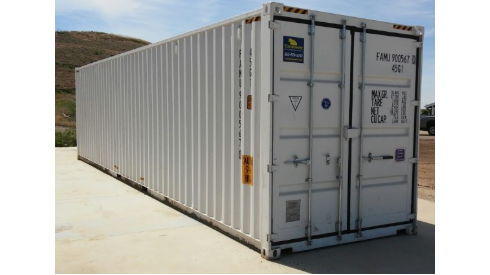
When selecting industrial shipping containers for storage or shipping solutions, the choice between standard and high cube options extends far beyond simple height preferences. This decision impacts everything from upfront costs to long-term functionality, making it vital for businesses and individuals to understand the practical and financial implications of each option.
The price difference between standard and high cube containers reflects more than just additional materials. High cube containers typically command a 10-15% premium over their standard counterparts, translating to several hundred dollars in additional cost depending on container size and condition. This premium stems from the extra steel required for construction and the increased shipping weight during transport.
However, this cost increase delivers substantial value in specific applications. Industry experts at Conexwest recommend careful comparison of all shipping container options prior to selection, given the wide range of options available.
The investment calculation becomes more complex when factoring in modification requirements. Containers destined for conversion projects often justify the higher upfront cost through enhanced functionality and reduced modification expenses later in the process.
Standard containers measure 8.6 feet in exterior height, while high cube variants stand 9.6 feet tall in exterior height. This single foot difference creates significant volume variations that impact storage capacity and usability. A 40-foot high cube container offers approximately 2,694-2,700 cubic feet of space compared to 2,350 cubic feet in a standard container of identical length.
The additional 344 cubic feet represents more than theoretical storage gains. This extra volume translates to practical advantages when storing bulky items, stacking inventory, or creating comfortable interior spaces. The height difference also affects weight distribution patterns and loading strategies.
Container pricing fluctuates based on global steel costs, manufacturing demand, and shipping market conditions. High cube containers require more steel in their construction, making them potentially more sensitive to material cost fluctuations. Economic events, natural disasters, and supply chain disruptions can disproportionately affect high cube pricing compared to standard options.
Regional availability also influences pricing structures. Areas with limited high cube inventory may see premium increases beyond the typical 10-15% markup, while markets with surplus stock might offer more competitive pricing.
Standard containers excel in applications requiring straightforward storage solutions without height-specific requirements. Their lower purchase or rental costs make them attractive for businesses managing tight budgets or temporary storage needs. The cost savings can be redirected toward other operational requirements or infrastructure improvements.
For long-term storage of standard-sized pallets, boxes, or equipment that fits comfortably within 8.6-foot height limits, the additional expense of high cube containers provides minimal return on investment. Standard containers may be more readily resold in some markets due to their widespread compatibility with existing handling equipment and transportation systems.
Standard containers demonstrate superior performance when handling heavy cargo loads. Their lower center of gravity provides enhanced stability during transport and reduces stress on container frameworks. The structural design of standard containers often proves more robust for applications involving dense materials or equipment with significant weight concentrations.
Heavy machinery, metal components, and bulk materials benefit from the standard container's proven weight-handling capabilities. The floor and sidewall construction in standard containers has decades of proven performance in demanding cargo applications.
Container modifications requiring plumbing systems almost always benefit from high cube construction. Installing plumbing systems often necessitates raised floors to accommodate pipes, drainage systems, and utility connections. The additional foot of height in high cube containers allows for raised floor installation while maintaining comfortable interior ceiling heights.
This advantage becomes critical in bathroom installations, kitchen modifications, or any application requiring water and waste management systems. Standard containers with raised floors often result in uncomfortably low ceiling heights that impact usability and comfort.
High cube containers provide superior air circulation opportunities through their increased interior volume. The extra height allows for more effective ventilation system placement and improved airflow patterns. This benefit proves particularly valuable in workspace conversions, storage of sensitive materials, or applications requiring climate control.
Better air circulation also reduces condensation problems and moisture-related issues that can affect stored goods or interior comfort levels in converted spaces.
Industrial equipment, manufacturing machinery, and specialized tools often require the additional clearance that high cube containers provide. The extra foot of height eliminates the need for equipment modifications or alternative storage solutions. This advantage extends to maintenance access, allowing technicians to work comfortably around tall equipment.
High cube containers also accommodate thicker insulation installations for temperature-sensitive equipment without compromising interior space or equipment functionality.
The additional cubic footage in high cube containers creates opportunities for vertical storage systems, mezzanine installations, and multi-level organization schemes. This flexibility proves valuable for retail inventory management, parts storage, or any application benefiting from vertical space utilization.
High cube containers also provide better accommodation for irregularly shaped items that might otherwise require multiple standard containers or custom storage solutions.
Container pricing varies significantly based on certification levels and intended use classifications. Cargo-worthy containers command premium prices due to their structural integrity certifications and ability to handle international shipping requirements. Used containers offer cost savings but may have condition limitations affecting their suitability for specific applications.
One-trip containers represent a middle ground between new and used options, offering near-new condition at reduced costs. These containers have completed single shipping voyages and typically show minimal wear while providing substantial cost savings compared to new units.
Container age directly impacts pricing structures, with newer units commanding higher prices due to superior paint conditions, absence of rust, and minimal structural wear. Older containers may offer significant cost savings but require careful inspection for structural integrity and potential modification limitations.
Market availability fluctuates based on global shipping patterns and container repositioning needs. Surplus markets may offer attractive pricing opportunities, while tight supply conditions can drive prices above typical ranges for both standard and high cube options.
Modification requirements often dictate whether purchasing or renting provides better value. Extensive modifications involving structural changes, utility installations, or permanent fixtures typically justify purchase decisions due to the investment in customization. Rental options work better for temporary storage needs or applications requiring minimal modifications.
The break-even point between rental and purchase costs varies based on usage duration and modification complexity. Simple storage applications may favor rental arrangements, while conversion projects requiring windows, doors, insulation, or utility systems generally support purchase decisions.
Financing considerations also affect this decision, as purchased containers can serve as business assets while rental costs represent ongoing operational expenses without equity building.
The decision to invest in high cube containers ultimately depends on whether the additional space and functionality justify the 10-15% cost premium. Applications requiring height clearance, volume maximization, or modification flexibility typically support the additional investment. Basic storage needs without height-specific requirements often find better value in standard container options.
Consider future needs and potential applications when making this decision. Containers purchased for immediate storage might later serve conversion projects where the extra height proves valuable. The flexibility provided by high cube construction often justifies the initial cost premium through expanded usage possibilities.
Market conditions and availability can influence the attractiveness of high cube containers. During periods of favorable pricing or surplus inventory, high cube containers might become a more appealing option, even for applications that could otherwise use standard height containers.


