More Texas homeowners are now opting for a landscaping material that delivers the luxury look of natural stone at a fraction of the cost—while lasting decades in brutal heat and storms. But proper installation makes all the difference.
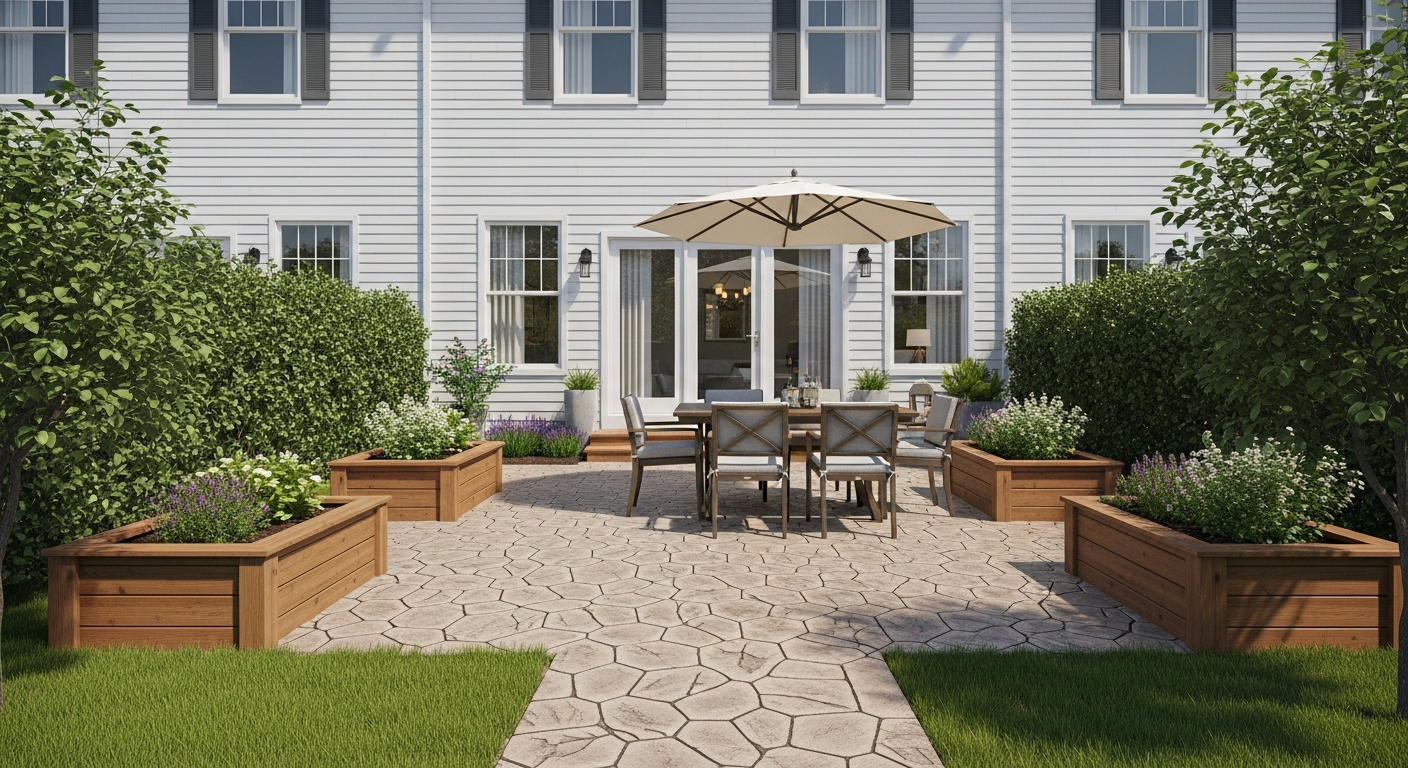
Texas homeowners face unique challenges when selecting landscaping materials that can withstand intense heat, sudden storms, and UV exposure while maintaining aesthetic appeal. Stamped concrete has emerged as a premier solution, transforming ordinary surfaces into eye-catching focal points that seamlessly blend with the surrounding landscape and architectural elements.
The decision between stamped concrete and natural materials often comes down to three critical factors: cost-effectiveness, durability, and design flexibility. Stamped concrete delivers the sophisticated appearance of premium materials like slate, flagstone, and brick pavers without the associated price tag or maintenance headaches.
Natural stone installation requires extensive preparation, skilled masonry work, and ongoing maintenance to prevent weed growth between joints. In contrast, stamped concrete creates a unified surface that eliminates these common problems while offering superior weather resistance. Texas homeowners particularly appreciate how stamped concrete handles the state's challenging climate conditions, from scorching summer heat to unexpected freeze-thaw cycles.
The installation process itself favors stamped concrete over traditional materials. Where natural stone projects can take weeks due to individual placement requirements, stamped concrete installations are typically completed in days. Expert contractors understand Texas-specific installation requirements that ensure optimal performance in local climate conditions.
Stamped concrete patterns are created using specialized mats molded directly from actual materials, ensuring authentic texture and appearance. The most requested patterns among Texas homeowners include natural stone designs like slate and flagstone, which complement the state's diverse architectural styles from Hill Country ranch homes to contemporary urban designs.
Brick and cobblestone patterns remain consistently popular for driveways, offering classic appeal that enhances traditional home exteriors. Wood plank patterns have gained significant traction for patio applications, creating warm, inviting outdoor spaces that mimic expensive hardwood decking without the maintenance concerns or weather vulnerability.
Seamless texture stamps provide sophisticated options for homeowners seeking subtle elegance. These patterns add visual interest and slip resistance without prominent joint lines, creating clean, modern appearances that work particularly well with minimalist architectural designs.
Color selection plays a crucial role in achieving realistic appearances and architectural harmony. Earth tones and grays dominate Texas installations, reflecting the natural landscape and complementing popular exterior materials like limestone and stucco. Multiple color applications within single projects create natural stone variations that enhance authenticity.
Brick-pattern installations often utilize traditional red and russet hues that echo classic Texas masonry work. However, modern color techniques allow for custom combinations that match existing architectural elements or create striking contrasts for dramatic curb appeal enhancement.
Professional color application involves integral coloring mixed into the concrete, surface color hardeners applied during installation, and antiquing techniques using acid stains or water-based tints. This layered approach creates depth and character that surpasses the appearance of many natural materials.
Advanced customization options set stamped concrete apart from other paving materials. Border treatments using contrasting patterns or colors create defined spaces and add visual sophistication. Decorative saw cuts can simulate grout lines or create geometric patterns that enhance the overall design aesthetic.
Integration with existing landscape elements allows stamped concrete to become a natural extension of the property. Curved edges, custom shapes around landscaping features, and incorporation with steps or retaining walls demonstrate the material's versatility in complex design applications.
Texture variations within single installations create visual interest while maintaining surface unity. Combining smooth and textured areas, or incorporating exposed aggregate accents, provides designers with tools to create truly unique outdoor spaces that reflect homeowner personality and lifestyle preferences.
As of late 2025, Dallas area stamped concrete installations range widely in price, from approximately $3,000 to $12,000 or more, depending on factors such as project size and design complexity. Costs per square foot can range from $9 to over $30, with basic installations starting at the lower end and custom designs with multiple colors and patterns exceeding the higher end.
Comparable natural stone installations, such as flagstone patios, typically range from $15 to $30 per square foot installed, while brick paver driveways can cost between $8 and $24 per square foot for professional installation, depending on design and preparation work.
Labor costs significantly favor stamped concrete installations. The unified pouring and stamping process requires fewer labor hours compared to individual stone or paver placement. Equipment requirements are also reduced, eliminating the need for specialized masonry tools and extensive material handling.
Maintenance cost analysis reveals stamped concrete's significant long-term advantages. Regular cleaning requires only basic garden hose or pressure washer applications with mild detergent. Resealing every 2-3 years costs approximately $2-4 per square foot, maintaining surface protection and appearance enhancement.
Natural stone and paver alternatives require ongoing maintenance including joint sand replacement, weed control treatments, and individual unit replacement when damaged. These recurring costs accumulate substantially over the installation lifetime, often exceeding the initial cost savings of lower-priced paver options.
Stamped concrete installations can offer a good return on investment through increased property value, enhanced curb appeal, and reduced maintenance, contributing to long-term financial benefits.
Lifetime value calculations must account for Texas-specific factors including UV exposure, temperature extremes, and severe weather events. Properly installed and maintained stamped concrete can last decades without major repairs or replacement, while natural materials may require significant maintenance or partial replacement within 10-15 years.
Energy efficiency benefits emerge from stamped concrete's lighter color options that reduce heat absorption compared to dark asphalt surfaces. This characteristic particularly benefits Texas homeowners dealing with extreme summer temperatures and associated cooling costs.
Insurance considerations also favor stamped concrete installations. The unified surface reduces slip and fall risks compared to uneven natural stone, potentially lowering liability concerns and insurance premiums for property owners.
Texas sun exposure presents unique challenges that stamped concrete addresses through advanced sealer technology and installation techniques. Quality sealers provide UV protection that prevents color fading and surface degradation common with other materials. Acrylic-based sealers offer excellent UV resistance while maintaining surface breathability necessary in Texas humidity conditions.
Heat resistance comes from concrete's thermal mass properties and proper installation practices. Color hardeners used during installation create stronger, more heat-resistant surfaces compared to standard concrete. Light-colored stamped concrete reflects heat more effectively than dark asphalt or natural stone, reducing surface temperatures and thermal stress.
Professional sealer application techniques ensure optimal coverage and adhesion. Multiple thin coats provide better protection than single thick applications, while proper surface preparation removes contaminants that could compromise sealer performance in extreme weather conditions.
Texas weather patterns include intense rainfall events that can challenge any paving material. Proper stamped concrete installation incorporates drainage planning that directs water away from structures while preventing surface erosion or undermining.
Grade and slope considerations ensure adequate water flow without compromising aesthetic appeal. Professional installers create subtle grade changes that appear natural while providing effective drainage. Expansion joints and control cuts allow for thermal movement while maintaining structural integrity during temperature fluctuations.
Perimeter drainage integration prevents water accumulation that could cause undermining or frost damage. French drains, drainage swales, and proper landscaping work together to protect stamped concrete installations from water-related damage common in Texas storm conditions.
Systematic maintenance scheduling maximizes stamped concrete longevity and appearance retention. The 2-3 year resealing cycle provides optimal protection against UV degradation, moisture penetration, and surface wear. Texas homeowners should plan resealing based on exposure conditions, with high-traffic areas requiring more frequent attention.
Seasonal maintenance involves spring cleaning to remove winter debris and fall preparation for potential freeze events. Regular sweeping prevents abrasive materials from accumulating, while prompt spill cleanup prevents staining that could require intensive restoration efforts.
Professional maintenance services ensure proper sealer selection and application techniques. Different sealer types address specific performance requirements, from high-gloss enhancement to natural matte finishes that complement various architectural styles.
Professional installation separates successful stamped concrete projects from disappointing failures that require expensive repairs or complete replacement. The installation process demands precise timing, specialized equipment, and extensive experience to achieve uniform results across entire surfaces before concrete sets.
Proper base preparation, concrete mix design, and installation sequencing cannot be learned through casual observation or online tutorials. Professional contractors understand local soil conditions, climate factors, and building codes that affect installation success. They possess specialized stamping tools worth hundreds of dollars that aren't cost-effective for single-use applications.
Quality control during installation prevents common problems, including color variations, pattern misalignment, and surface defects that compromise both appearance and durability. Professional contractors provide warranties and ongoing support that protect homeowner investments in property enhancement projects.
The expertise and specialized equipment ensure installations meet manufacturer specifications for optimal performance in Texas conditions, while proper documentation supports warranty claims and future maintenance requirements.
For Texas homeowners seeking to enhance their property's curb appeal with stamped concrete solutions that deliver lasting value and beauty, professional installation services are available throughout Southeast Texas from qualified contractors.


