A Jacksonville expert reveals why cheaper drop-in bedliners actually cost more than professional spray-in applications when hidden rust damage and replacement expenses add up. Industry data shows trucks with spray-in protection sell for $500-$1,000 more than drop-in alternatives.
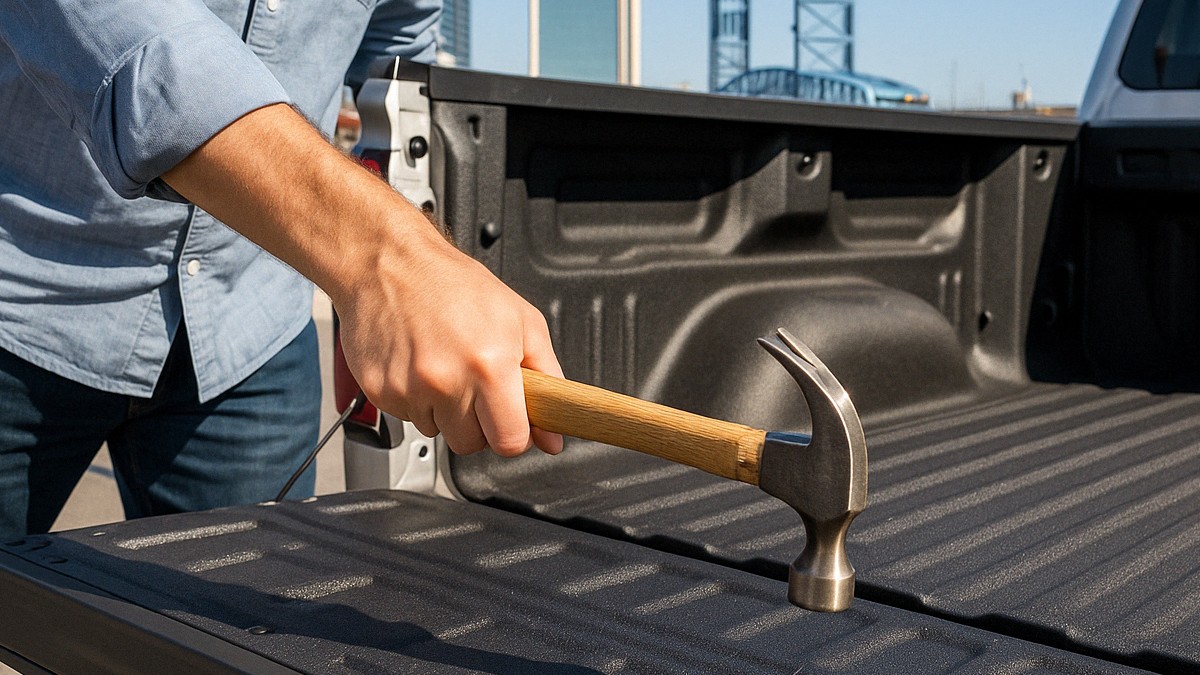
Your new truck bed will show scratches and rust within weeks of your first haul. Professional installers see this damage daily when truck owners realize they need protection too late.
Choosing between spray-in and drop-in bedliners affects your truck's value, durability, and daily performance for years, says a Jacksonville-based installer from Fred's Trailers & Truck Accessories Inc. Here's what actually happens to each type after real-world use in Florida weather.
Metal truck beds start rusting the moment water touches a scratch, spreading underneath the paint where you can't see it. Small dings from toolboxes or equipment become entry points for moisture that eats through the metal from the inside out. Professional installers find truck beds with rust holes completely through the metal after just five years without protection.
Repairing a damaged truck bed costs between $1,500 and $4,000, not counting the week your truck sits in the shop. Paint touch-ups run $500 to $1,500 but only last until the next scratch starts the rust process again. Smart truck owners invest in protection before damage starts, saving thousands in future repairs.
Drop-in bedliners are pre-made plastic shells that fit your specific truck model and drop into the bed. Installation takes about 15 minutes since the liner just sits in place with a few bolts holding it down. The smooth plastic surface makes sliding heavy cargo easier, and the initial $200-$600 price attracts budget-conscious buyers.
The problems start after a few months when water finds its way between the liner and your truck bed. That trapped moisture causes rust you won't see until serious damage has already happened underneath the plastic. The liner shifts and vibrates while driving, creating annoying rattles and gradually wearing away the paint underneath.
Spray-in bedliners use polyurea or polyurethane materials that chemically bond with your truck's metal, becoming a permanent part of the bed. Professional applicators sand and prep the surface, then spray multiple coats that cure into a textured, waterproof shell. The material fills every corner and seam, leaving zero gaps where water or chemicals can reach the metal.
The application takes several hours and requires special equipment that heats and mixes the coating at exact temperatures. This process creates a seal that moves with your truck bed through temperature changes instead of fighting against it. The textured surface gives your cargo grip to prevent sliding while still being tough enough to handle daily abuse.
Drop-in bedliners develop predictable problems that get worse each year you use your truck regularly:
Spray-in bedliners handle years of abuse because they become part of your truck's structure permanently:
The cheaper upfront cost of drop-in liners disappears when you add up the real expenses over time. Replacing cracked or faded drop-in liners every few years costs more than one professional spray-in application. Hidden rust damage from trapped moisture leads to expensive repairs that destroy any initial savings you thought you had.
Professional spray-in application costs $400 to $800 once and never needs replacement when done correctly. Trucks with spray-in protection sell for $500 to $1,000 more because buyers know the bed is permanently protected. Insurance companies recognize this protection, too, sometimes offering lower rates for trucks with professional spray-in coatings.
Construction workers loading sharp metal, chemicals, and heavy equipment daily need spray-in bedliners that handle extreme punishment. The permanent coating resists cuts, chemical damage, and constant wear that would destroy a plastic liner in months. Contractors report their spray-in liners still protect perfectly after five years of commercial abuse.
Weekend warriors hauling camping gear or groceries might think drop-in liners offer enough protection for light use. Even casual users face rust problems from trapped moisture, especially in a humid climate near the ocean. Lease customers like removable drop-in liners but often pay for paint damage when returning their trucks.
Humidity and salt air create perfect conditions for rust that challenge any bedliner's protection abilities. Moisture gets trapped under drop-in liners and combines with salt to accelerate rust formation you won't see coming. Temperature swings from cold mornings to hot afternoons make plastic liners expand and contract, creating gaps for water.
Spray-in coatings expand and contract with your truck bed since they're chemically bonded to the metal surface. This permanent seal blocks salt, humidity, and chemicals from ever reaching the metal underneath your bedliner. Trucks used near beaches or boats especially need this complete protection from corrosive salt air.
Fred's Trailers & Truck Accessories Inc. sees the expensive mistakes truck owners make with wrong bedliner choices every day. Their installation experts recommend spray-in applications for anyone planning to keep their truck for over three years. The permanent protection pays for itself by preventing just one rust repair that drop-in liners allow.
Quality installers use materials like polyurea that outlast your truck when applied by trained professionals. The right bedliner eliminates worry about damage while maintaining your truck's appearance and value through years of hard use. Taking action now prevents the regret of discovering hidden damage when you're ready to sell or trade.
A bedliner installation does more than protect metal—it preserves your investment and prevents structural damage affecting your entire truck. The right choice now saves thousands in repairs while keeping your truck functional and valuable for decades ahead.
Professional installation with quality materials gives you confidence that your truck bed will outlast whatever work you throw at it.


