In Miami-Dade, the common reflex to spray an ant trail can actually trigger a biological “budding” effect that multiplies the infestation behind your walls. To stop the spring surge, the focus is shifting away from reactive chemicals and toward behavioral barriers and attic-based prevention.
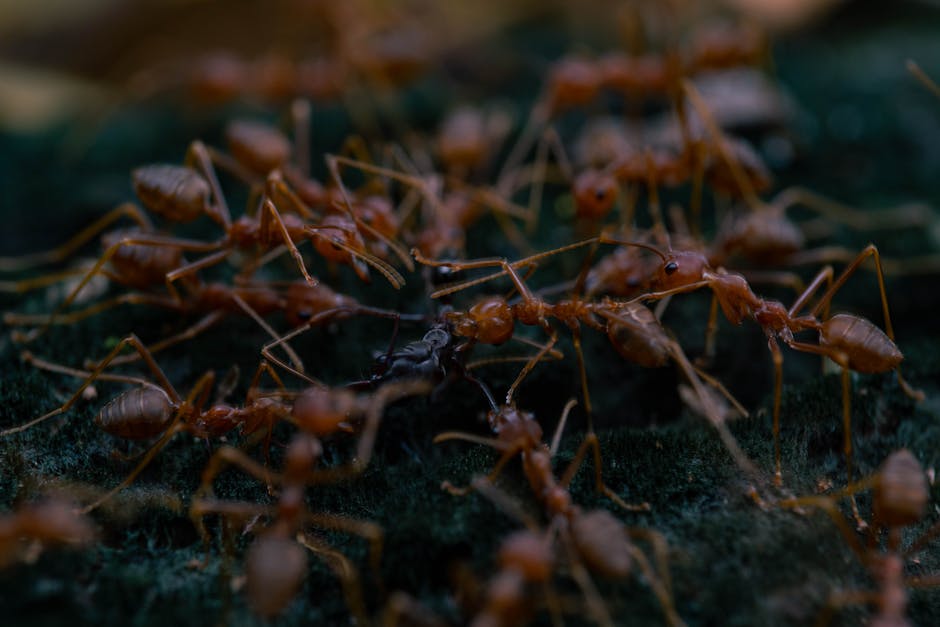
You wake up, walk into the kitchen to start the coffee, and there it is: a thin, flickering line of tiny black specks marching across your granite countertop. You wipe them away with a soapy sponge, feeling a brief sense of victory, only to find twice as many in the same spot two hours later.
In Miami-Dade County, particularly during the humid spring months, this isn't just a nuisance—it is a significant seasonal challenge. South Florida is home to over 200 species of ants, more than any other region in the Eastern United States. While most of these are harmless components of the ecosystem, a select group of native and long-established invasive species has adapted exceptionally well to residential environments.
The frustration for most homeowners isn't just the presence of the insects; it's the failure of the "solution." Many spend hundreds of dollars on big-box store sprays and DIY traps only to find that the problem persists or, worse, migrates to another room. Understanding why these treatments fail requires a deeper look into the specific biology of local ants and the professional-grade strategies that actually work to keep them out. For a comprehensive look at targeted strategies, residents often turn to specialized resources such as professional ant control treatments.
Before you can treat an infestation, you have to know who you're fighting. In South Florida, assuming all ants are the same is a recipe for failure. Different species have wildly different diets, nesting habits, and social structures. Here are the species most likely to be raiding your pantry or nesting in your walls this spring:
The biggest mistake a homeowner can make when seeing a trail of Pharaoh or Ghost ants is reaching for a pressurized can of repellent spray. While these products kill ants on contact, they often trigger the survival mechanism known as "budding."
Local pest management specialists point out that when a colony senses a chemical threat, the queens and workers will scatter and establish multiple new sub-colonies throughout the house. You might eliminate fifty ants on the counter, but the thousands remaining in the wall voids are signaled to move to the bathroom, the bedroom, and the nursery. To combat this, professionals use non-repellent baits. These are slow-acting toxins that the ants cannot detect. The workers consume the bait and carry it back to the queen. By the time the colony realizes the food source is toxic, the entire population has been compromised, leading to total colony elimination.
Many homeowners are surprised to learn that their ant problem might be coming from above. Species like the Florida Carpenter Ant are notorious for using tree branches to bridge onto your roof and enter the attic. Once inside, they find the perfect, undisturbed environment to nest.
One of the most effective long-term treatments for these native species is TAP (Thermal, Acoustic, Pest control) Insulation. Unlike standard fiberglass, TAP is a cellulose-based insulation treated with a specialized borate solution. Experts in the field recommend this for three primary reasons:
Professional exterminators often suggest this as a "set it and forget it" layer of protection that standard topical sprays simply cannot match.
If you're weighing the costs of a professional service versus a Saturday morning trip to the hardware store, consider three factors that pro-grade equipment and expertise offer:
1. Residual Stability in Humidity South Florida's humidity and heavy April rainfall break down consumer-grade sprays in a matter of days. Specialists use UV-stabilized and water-resistant barriers designed to withstand the Miami climate for months.
2. Species-Specific Chemistry As mentioned with White-Footed ants, some species don't share food. A professional knows when to use a granular bait versus a liquid gel or a dust. Using the wrong delivery system is the primary reason DIY ant traps often remain untouched on the floor.
3. Structural Seal Checks Pest control is as much about physics as it is about chemistry. A professional technician spends significant time identifying "highways"—cracks in the foundation, gaps in window seals, or plumbing penetrations—and advising on how to seal them effectively.
In recent years, the trend in South Florida pest management has shifted from reactive emergency calls to bi-monthly prevention subscriptions. The logic is grounded in economics: it is significantly more cost-effective and safer to prevent a colony from establishing itself than it is to eradicate a 50,000-member nest from inside your walls.
This proactive model is built around the idea that the exterior is the first line of defense. By creating a consistent, non-repellent barrier around the perimeter and performing regular "seal checks," homeowners ensure the interior stays protected. This model also includes dewebbing and checking entry points every 60 days, which is critical during the spring surge when ant populations are at their most mobile.
While professional intervention is often necessary for established colonies, there are several things you can do today to make your home less attractive to native ant species:
Ants are a permanent part of the Florida landscape, but they do not have to be a permanent part of your living room. By moving away from reactive sprays and toward species-specific, proactive treatments like TAP insulation and bi-monthly barriers, you can break the cycle of infestation.
If you're currently dealing with a persistent trail or suspect a nest in your walls, the best first step is a professional evaluation. Experienced local pest professionals can evaluate the exact species present and outline a roadmap for long-term protection. In a climate as challenging as Miami-Dade, the simple solution of a spray bottle is rarely the effective one. Trust the science of behavior-based treatment to protect your home this season.


