Not sure whether to soft wash or pressure wash? This article explains the differences and how to choose the right method for your home.
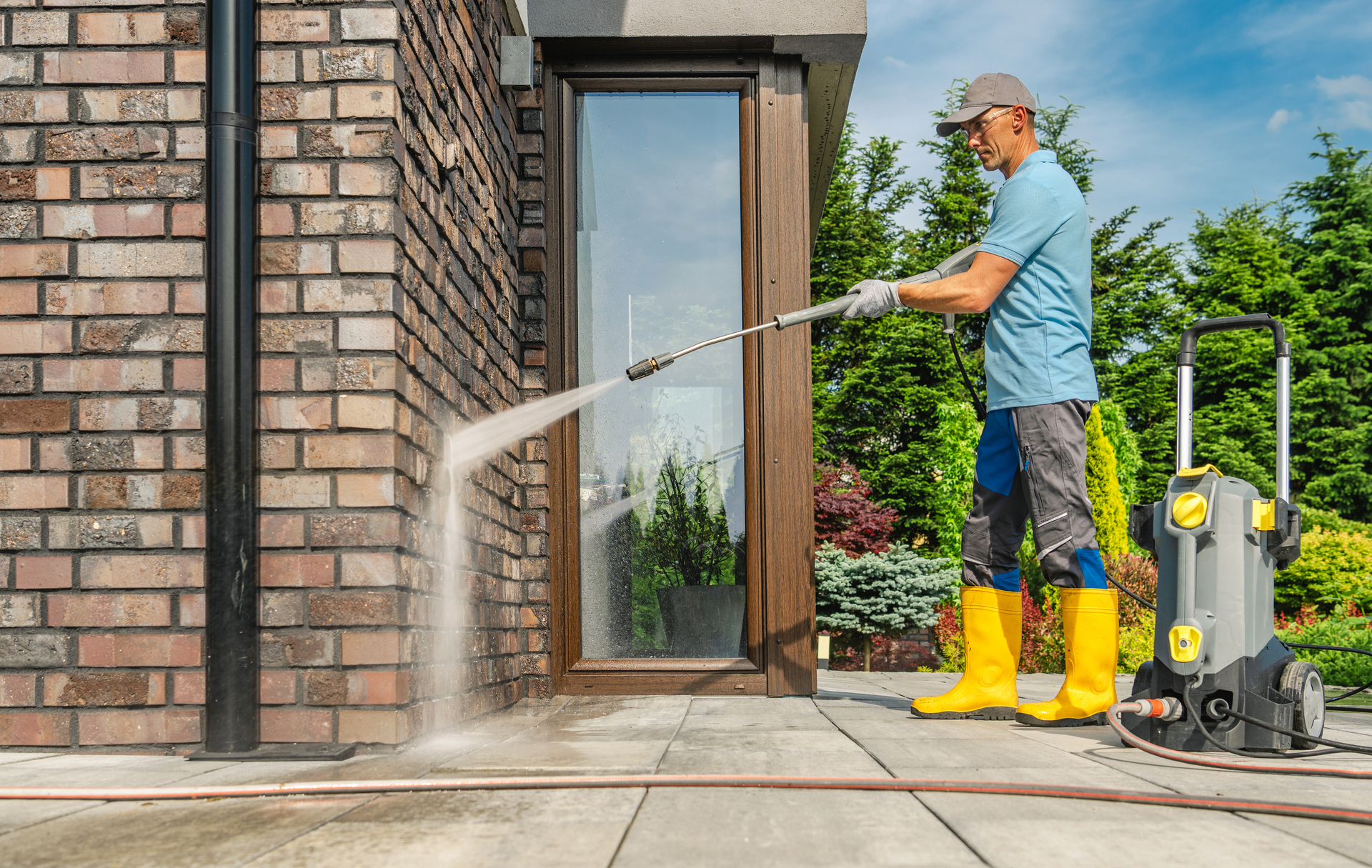
Home exterior cleaning often gets treated as a cosmetic task. If the siding looks dirty or the roof shows stains, the instinct is to “wash it harder.” That assumption has led many homeowners to use pressure washing where gentler methods would have been safer and more effective.
Understanding the difference between soft washing and pressure washing helps homeowners protect their exterior surfaces while still achieving a clean, refreshed appearance.
At a glance, both methods use water to remove buildup. The difference lies in how the cleaning is done and what actually removes the grime.
Pressure washing relies on force. Water is blasted at high pressure to physically strip away dirt, stains, and organic growth. Soft washing, on the other hand, relies on chemistry and time. Low-pressure water is used to apply cleaning solutions that break down algae, mold, and mildew before gently rinsing them away.
Since pressure washing delivers instant visual results, it’s often assumed to be the better option. The downside is that damage caused by excessive pressure tends to show up later, not immediately.
Pressure washing uses concentrated water force to remove buildup from surfaces. On durable materials, this approach can be effective. Concrete driveways, sidewalks, and some stone surfaces can tolerate higher pressure without harm.
Problems arise when pressure washing is used on materials that were never designed to withstand that level of force. Vinyl siding can crack or loosen, paint can be stripped prematurely, wood can splinter, and roofing materials can lose protective granules. In some cases, high pressure can also force water behind siding or into seams, leading to moisture issues that are harder to detect.
Pressure washing is best reserved for hard surfaces where durability outweighs the risk of erosion or water intrusion.
Soft washing takes a different approach. Instead of blasting buildup away, it targets the root cause of staining. Algae, mold, and mildew are living organisms that grow on exterior surfaces, especially in shaded or damp environments.
Low-pressure water is used to apply specialized cleaning solutions that break down this organic growth. After the solution has time to work, the surface is gently rinsed. Since the growth is treated rather than torn away, results often last longer between cleanings.
This method significantly reduces the risk of surface damage while still restoring the exterior surface's appearance.
Coquitlam-based Summit Softwash explains that the most important difference between soft washing and pressure washing is not how clean the surface looks immediately, but how the surface holds up afterward.
Pressure washing removes buildup through force, which can wear down materials over time. Soft washing removes buildup by treating it chemically, which is far less abrasive. Pressure washing may clean quickly but often allows regrowth to return sooner because the underlying organisms are not fully addressed. Soft washing slows regrowth by neutralizing the source.
For homeowners focused on long-term maintenance rather than quick fixes, that distinction matters.
Many common exterior materials respond better to low-pressure cleaning. Siding, whether vinyl, wood, or composite, can be cleaned without risking cracks or paint damage. Stucco and painted surfaces are also better protected when pressure is minimized.
Roofing materials are especially sensitive. High-pressure washing can shorten a roof’s lifespan by stripping protective layers, while soft washing cleans without disturbing structural components. Decks and fences, particularly those made from treated wood, also benefit from gentler cleaning that avoids splintering and surface erosion.
Homes in damp or shaded environments often experience faster buildup of algae and mildew. In these conditions, simply washing away surface stains does little to prevent regrowth. Treating the growth at its source becomes more important than how powerful the rinse is.
Soft washing is particularly effective in these climates because it addresses the conditions that allow organic growth to return. Over time, this can reduce how often exterior cleaning is needed.
Soft washing is not a universal replacement. Pressure washing still has a role when dealing with hard, non-porous surfaces that collect heavy grime. Concrete driveways, sidewalks, and some exterior walkways often require more force to remove embedded dirt and stains.
Even then, pressure levels should be adjusted carefully to avoid surface etching or premature wear.
The best cleaning method depends on the material, not the mess. Before cleaning, homeowners should consider what the surface is made of, how old it is, and whether it has been previously painted or treated.
Exterior cleaning is part of long-term home maintenance. Using the safest method for each surface helps preserve materials, reduce repair costs, and maintain curb appeal without unintended damage.
Wrapping up, soft washing and pressure washing are tools, not interchangeable solutions. Pressure washing delivers force, while soft washing delivers control. Knowing when to use each makes a meaningful difference in how a home looks and how long its exterior materials last
For homeowners, the best option is the one that cleans effectively while protecting the structure underneath.


