Is your stamped concrete too slick? Don’t worry, there are plenty of simple ways, including resurfacing with anti-slip finishes, to increase traction and reduce the risk of falls.
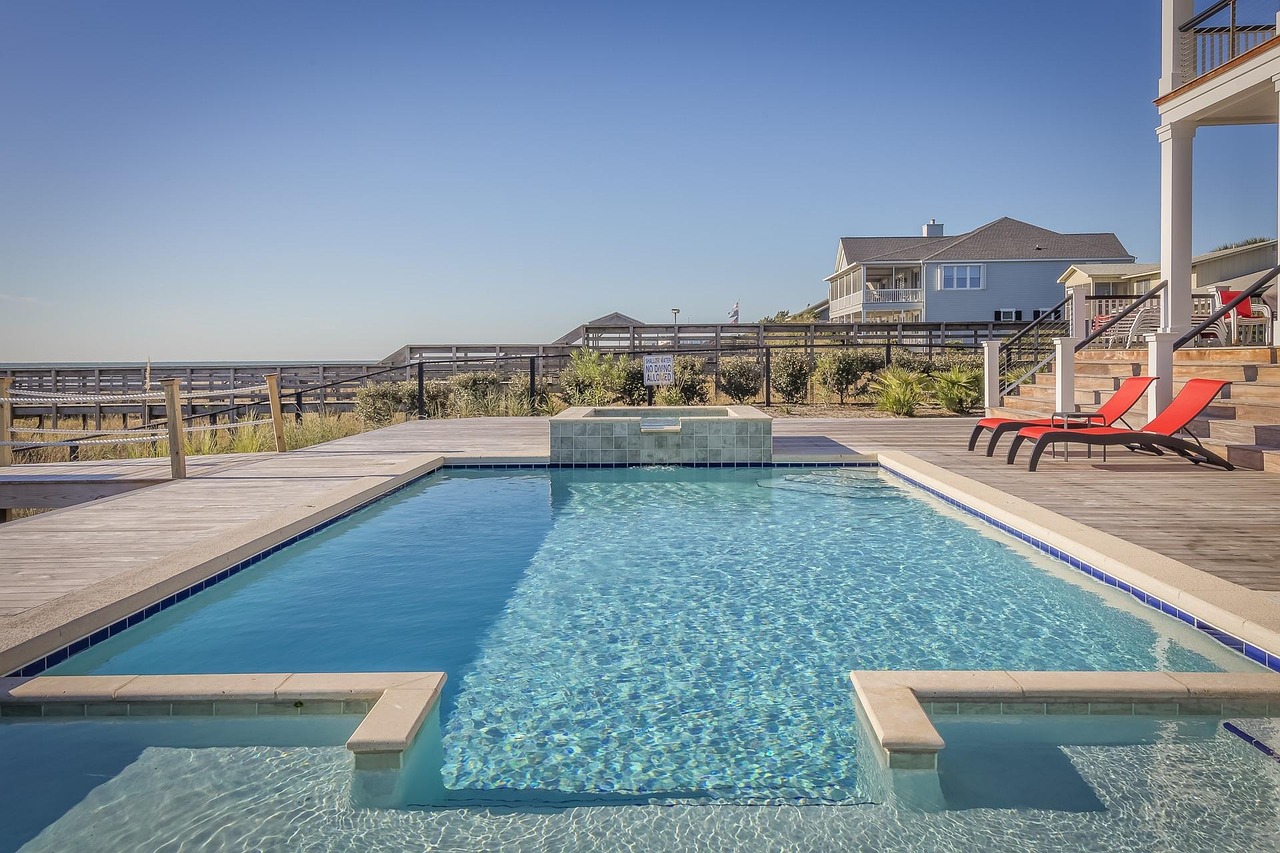
A slick pool deck can turn a fun swim into a safety hazard in seconds. Every year, thousands of people are injured in poolside slips and falls, according to the U.S. Consumer Product Safety Commission. Many of those accidents happen because concrete decks lose traction over time, even when they look perfectly fine.
The good news is that preventing those near misses (and expensive injuries) doesn’t take a full renovation. With the right maintenance and concrete resurfacing treatments, homeowners can restore safety and style to their pool decks.
Concrete pool decks are designed to handle heavy wear, water exposure, and sunlight; but even durable materials break down with age. Constant exposure to moisture, chlorine, and UV rays erode the textured finish that provides grip. When that top layer smooths out, the surface becomes slick, especially when wet.
Algae, mold, and mineral buildup also play a part. In humid climates like Texas, moisture trapped in small surface pores creates ideal conditions for slippery biofilm to form. The result is a deck that feels more like a polished stone than textured concrete. Add fluctuating temperatures and chemical exposure from pool treatments, and it’s easy to see how a once safe surface can become risky underfoot.
Resurfacing gives homeowners a way to address slick, worn pool decks without tearing everything out. The process applies a thin overlay over existing concrete, restoring both traction and appearance.
Modern resurfacing products, like the advanced polymer-based overlays used by Woodlands Decorative Concrete, include built-in anti-slip additives that help prevent falls. These finishes can be sprayed or troweled onto existing decks, then textured and sealed for lasting protection.
Unlike old-fashioned coatings, today’s materials don’t just cover the surface; they bond securely to the concrete below. The result is a durable finish that resists heat, fading, and pool chemicals while maintaining grip for years.
Most homeowners don’t realize how slippery their deck has become until someone nearly falls. A few telltale signs can help you spot trouble before that happens:
If one or more of these signs are showing, it might be time to resurface the pool deck.
Many homeowners assume summer is the best time for pool maintenance, but resurfacing is different. The process depends on stable temperatures and dry conditions for proper bonding.
That’s why contractors often recommend scheduling resurfacing in the fall or spring, when humidity is lower and temperatures stay between 50°F and 85°F. These conditions allow materials to cure evenly, creating a stronger, longer-lasting finish.
In The Woodlands and much of the southern U.S., fall is particularly ideal. The cooler weather provides enough drying time without the risk of freezing overnight, ensuring the overlay sets perfectly.
Anti-slip resurfacing combines texture, science, and design. Here’s what the process typically includes:
Deep cleaning and surface prep: old coatings, dirt, and oils are removed to create a strong bond.
Crack repair and leveling: Small imperfections are filled to ensure a smooth base.
Application of a polymer overlay: This thin layer strengthens the surface and allows for customized textures.
Addition of anti-slip additive: Grit or texture compounds improve traction without feeling rough underfoot.
Sealing and curing: A protective seal lock in the design while keeping out water, salt, and UV rays.
Homeowners can choose from a variety of patterns, from natural stone to slate, tile, or paver effects, along with cool-tone color palettes that stay comfortable in the heat.
The finished surface is not just safer; it also elevates curb appeal, blending aesthetics with practical design.
There are quick, temporary fixes homeowners can try. Textured paints, surface mats, or DIY cleaning solutions can help reduce slickness for a short time. But these are stopgaps, not long-term solutions.
Professional resurfacing, on the other hand, addresses the root causes — worn texture, water intrusion, and sealant failure. Certified contractors use commercial-grade materials designed to withstand years of heat, UV exposure, and chemical wear.
Companies like Woodlands Decorative Concrete pair safety upgrades with design expertise, helping homeowners choose patterns and finishes that complement their outdoor space. More importantly, professionals ensure the surface texture meets safety standards for traction while remaining barefoot-friendly.
A slippery pool deck isn’t just inconvenient — it’s a safety risk and a liability. Resurfacing with anti-slip technology protects both people and property while giving outdoor areas a fresh, modern look.
Like any home improvement project, the key is timing and quality. Scheduling resurfacing before peak summer ensures your deck cures properly and is ready for months of use.
For homeowners in regions like The Woodlands, or anywhere hot, sunny weather and chlorine wear down outdoor surfaces, resurfacing your pool deck is a smart, long-term fix. It prevents costly repairs, reduces risk, and restores beauty to one of the most used spaces in your home.


