Underground pipe failures beneath concrete foundations are a threat to homes built on clay soil, with repair costs reaching thousands. Modern detection technology and four distinct repair methods can address these hidden leaks before catastrophic damage occurs.
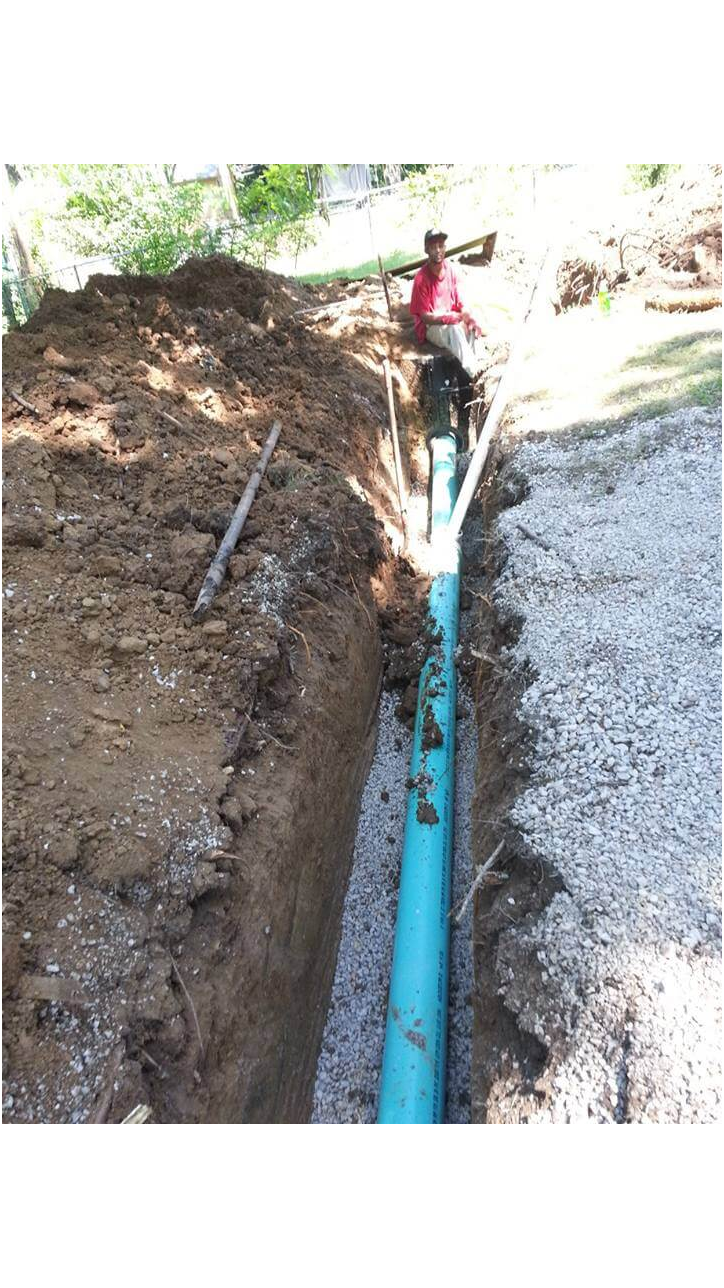
Water leaking under your home's concrete foundation destroys everything it touches while costing thousands in repairs, says a Tulsa-based plumber from Big C's Plumbing Services. Most professional plumbers who handle foundation plumbing issues know that over 60% of slab-foundation homes face this risk. These sneaky leaks hide for months before causing visible damage.
Pipes under your concrete slab crack when soil moves, metal corrodes, or installation goes wrong years earlier. Here's what every homeowner needs to know about finding and fixing these expensive problems.
The ground under your house never stays still because clay soil swells when wet and shrinks when dry. This constant movement bends and stresses water pipes until they crack open and leak water into the soil. The leaking water makes the soil move even more, creating a cycle that gets worse every day.
Old pipes made from iron or steel rust from the inside out after decades of water flowing through them. Poor installation during construction leaves weak spots where pipes bend too sharply or rub against rough concrete. High water pressure pushes against these weak areas until the pipes finally split and flood the ground beneath your home.
Plumbers can coat the inside of damaged pipes with epoxy that hardens into a new pipe within the old one. This trenchless method needs only small access holes and takes a few hours to complete without tearing up floors. The epoxy seals cracks and prevents future leaks while keeping your home's flooring and landscaping intact.
Pipe bursting pulls a new pipe through while breaking apart the old, damaged pipe at the same time. This method works when pipes are too damaged for epoxy coating, but you still want to avoid digging.
Sometimes it makes more sense to abandon the leaking pipes and run new ones through your walls or attic instead. Plumbers install fresh water lines that completely avoid the problem area under your slab, where soil movement caused the damage. Your new pipes will be easy to reach for repairs and won't face the same underground stresses that broke the original ones.
This re-routing method costs less than digging up concrete when multiple pipes need replacement or repairs would only be temporary.
Breaking through concrete becomes necessary when leaks happen in spots where other methods won't reach or work properly. Plumbers use special equipment to find the exact leak spot so they only break the smallest area possible. After fixing the pipe, they patch the concrete and restore your flooring to look like nothing happened.
This direct approach guarantees a permanent fix but means moving furniture and dealing with construction dust for several days.
Tunneling under your house lets plumbers reach broken pipes without touching your floors or disrupting your daily routine. Workers dig carefully planned tunnels that won't damage your foundation while giving access to repair or replace pipes. All the mess stays outside while your floors, walls, and furniture remain perfectly safe inside your home.
The tunnels get filled back in with compressed dirt that won't settle later and cause foundation problems.
Copper pipes might only need spot repairs, while old galvanized pipes probably need complete replacement throughout your house. The leak's location determines whether plumbers can use simple fixes or need more complex and expensive solutions. Your insurance might cover sudden pipe bursts, but not slow leaks that develop over many months or years. Getting multiple repair quotes helps you understand your options and find the best value for lasting repairs.
Houses built on clay soil face ongoing challenges because the ground keeps moving even after pipes get fixed. Stable sandy soil means repairs last longer since the ground won't shift and break pipes again later. Your foundation's current condition limits which repair methods are safe without causing more structural damage during the work. Some repair methods actually strengthen your foundation, while others might weaken it if done incorrectly by inexperienced workers.
Slab leaks threaten your home's foundation while draining money through wasted water and expensive repairs. Knowing the warning signs helps you catch problems early before they destroy your floors and walls.
Professional assessment determines which repair method saves you the most money while providing lasting protection. Experienced plumbers who specialize in slab leak detection and repair have the right tools to fix your problem permanently.