Every year, 564,000 people die from poor sanitation—yet studies show every dollar invested in simple solutions returns up to $21 in economic benefits. Discover why this “hidden killer” claims more lives than many headline-grabbing diseases, and how surprisingly accessible interventions are already saving children.
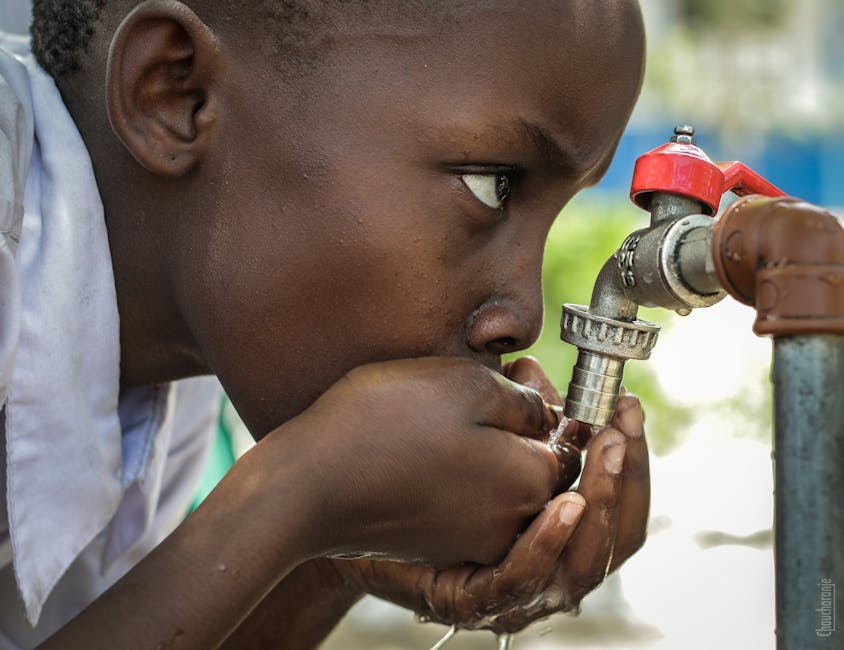
While global health crises often capture headlines, one of humanity's deadliest challenges operates largely in the shadows. Poor sanitation silently claims hundreds of thousands of lives each year, perpetuating cycles of disease and poverty that trap entire communities. Yet the solutions exist, and they're surprisingly accessible.
The numbers are staggering yet rarely discussed in mainstream health conversations. According to the World Health Organization, unsafe sanitation accounts for 564,000 deaths annually worldwide. These deaths occur primarily in low- and middle-income countries where basic sanitation infrastructure remains inadequate or entirely absent.
This death toll represents more than statistics—it's a humanitarian crisis hiding in plain sight. Unlike infectious disease outbreaks that trigger international responses, sanitation-related deaths accumulate steadily, year after year, without generating the urgency needed to mobilize resources.
The vast majority of these preventable deaths stem from diarrheal diseases, which claim approximately 829,000 lives annually through poor water, sanitation, and hygiene conditions. What makes this crisis particularly tragic is that effective interventions exist and have been proven to work—the challenge lies in scaling these solutions to reach the most vulnerable populations. Which is why NGOs and organizations like The MacGyver Foundation are advocating for practical sanitation solutions that can be deployed quickly in the communities most at risk. Often it is the simple solution, the creative approach, which is the most affective.
Children bear the heaviest burden of inadequate sanitation. In 2019, unsafe water, sanitation, and hygiene practices resulted in 395,000 deaths among children under five years old, representing 7.6% of all deaths in this age group. These young lives are lost to entirely preventable conditions that proper sanitation infrastructure could eliminate.
The impact extends beyond mortality. Studies show that improved sanitation significantly reduces child diarrhea, stunting, and overall mortality rates. These reductions translate to millions of children who could grow up healthy, attend school regularly, and break free from poverty's grip. WASH interventions have demonstrated a 45% reduction in diarrhea mortality and a 17% reduction in overall childhood mortality odds.
Despite decades of development efforts, 419 million people worldwide still practice open defecation. This practice creates a vicious cycle where the countries with the highest rates of open defecation also experience the greatest number of under-5 deaths, highest malnutrition levels, and most severe poverty.
Open defecation perpetuates disease transmission through contaminated water sources and soil, creating environments where pathogens thrive. Communities trapped in this cycle face not only immediate health risks but also long-term economic consequences as illness prevents adults from working and children from attending school consistently.
Diarrheal diseases represent the most direct and deadly consequence of poor sanitation. The WHO estimates that 829,000 people die annually from diarrhea linked to inadequate water, sanitation, and hygiene—equivalent to 60% of all diarrheal deaths worldwide. These diseases spread rapidly in environments where human waste contaminates water sources and living spaces.
Cholera, dysentery, and typhoid fever thrive in unsanitary conditions, causing severe dehydration and death, particularly among children and elderly populations. The transmission pathway is straightforward: contaminated water or food carries pathogens from human waste directly into new hosts, creating explosive outbreaks in vulnerable communities.
Poor sanitation creates a hidden pathway to malnutrition through enteric infections that damage the intestinal lining. These infections prevent proper nutrient absorption even when adequate food is available, leading to stunting and wasting that affects cognitive development and lifetime earning potential.
The relationship between sanitation and nutrition creates a compounding effect. Malnourished children become more susceptible to infections, while repeated infections further compromise their nutritional status. This cycle explains why sanitation interventions often produce unexpected improvements in child growth and development beyond direct disease prevention.
Beyond acute illnesses, poor sanitation enables the spread of neglected tropical diseases that cause chronic suffering for millions. Schistosomiasis, intestinal worms, and trachoma flourish in environments where human waste contaminates water sources and soil.
These diseases rarely kill immediately but create long-term health burdens that trap individuals and communities in cycles of poor health and poverty. Intestinal worms compete with their hosts for nutrients, while schistosomiasis can cause organ damage and increased susceptibility to other infections, including HIV.
Community-led total sanitation (CLTS) programs have emerged as one of the most effective approaches to eliminating open defecation. These programs work by mobilizing entire communities to build and maintain sanitation facilities together, creating social pressure and collective ownership that sustains behavioral change.
The success of CLTS lies in its recognition that sanitation is fundamentally a community issue rather than an individual one. When some community members continue practicing open defecation, everyone remains at risk. However, implementation challenges include ensuring equity for the most marginalized households and maintaining facilities over time without ongoing external support.
Market-based approaches have also demonstrated remarkable scale and sustainability. Organizations like iDE have trained local entrepreneurs to deliver sanitation solutions that communities need and can afford, helping millions of individuals gain access to improved sanitation. This model creates local jobs while addressing sanitation needs.
Successful examples include communal ventilated public toilets in Nigeria, waterless toilets in the Philippines, and sturdy brick outhouses in Cambodia. These solutions demonstrate that effective sanitation doesn't require complex technology—it requires understanding local needs, preferences, and economic constraints while building local capacity to maintain systems.
A recent initiative—the MacGyver In-A-Box Challenge—aims to generate practical, low-cost sanitation solutions that can be deployed quickly in underserved communities. The competition focuses on rural Guatemala, where fewer than half of residents have access to proper sanitation, and 95% of surface water sources are contaminated. By emphasizing affordability and maintainability over high-tech innovation, the challenge reflects the same principles that guide successful community-led sanitation approaches.
Participants are asked to submit feasible indoor toilet designs that can improve hygiene and privacy for families lacking basic facilities. Entries will be evaluated by a panel including Clubhouse Guatemala field staff, MAKE Magazine editors, and representatives of the MacGyver Foundation. Registration opens November 1, 2025, with more information available through the foundation’s website.
The economic argument for sanitation investment is compelling. A 2012 WHO study calculated that every dollar invested in sanitation generates $5.50 in returns through lower healthcare costs, increased productivity, and prevented premature deaths. Other studies estimate returns ranging from $4.30 to $21 per dollar invested, making sanitation one of the most cost-effective development interventions available.
The economic benefits extend beyond health savings. Improved sanitation increases property values, supports tourism development, and enables economic activities that require clean environments. Women and girls particularly benefit from improved sanitation through increased safety, dignity, and school attendance when gender-appropriate facilities are available.
Despite these proven returns, sanitation continues to receive insufficient funding compared to its potential impact. The challenge lies not in proving sanitation's value but in mobilizing the political will and financial resources to achieve universal access.
The path forward requires scaling proven interventions rather than developing new technologies. Simple solutions like improved pit latrines represent important first steps on the "sanitation ladder" toward more advanced systems. The key is matching solutions to local contexts while building pathways for communities to upgrade their facilities over time.
On-site sanitation systems offer particular promise for eliminating open defecation in low-income countries, though their selection and application require careful consideration of local soil conditions, groundwater levels, and cultural preferences. Success depends on combining appropriate technology with community engagement and ongoing support systems.
The goal of preventing hundreds of thousands of annual deaths from inadequate sanitation is achievable with existing knowledge and tools. What's needed is sustained commitment from global health organizations, donors, and governments to prioritize sanitation alongside other life-saving interventions. The solutions exist—the question is whether the global health community will mobilize the resources to implement them at scale.


