Your roof might be sending you warning signals right now that you’re completely missing. Gulf Coast weather creates unique challenges that can turn minor issues into thousands in damage—but knowing what to look for could save your home.
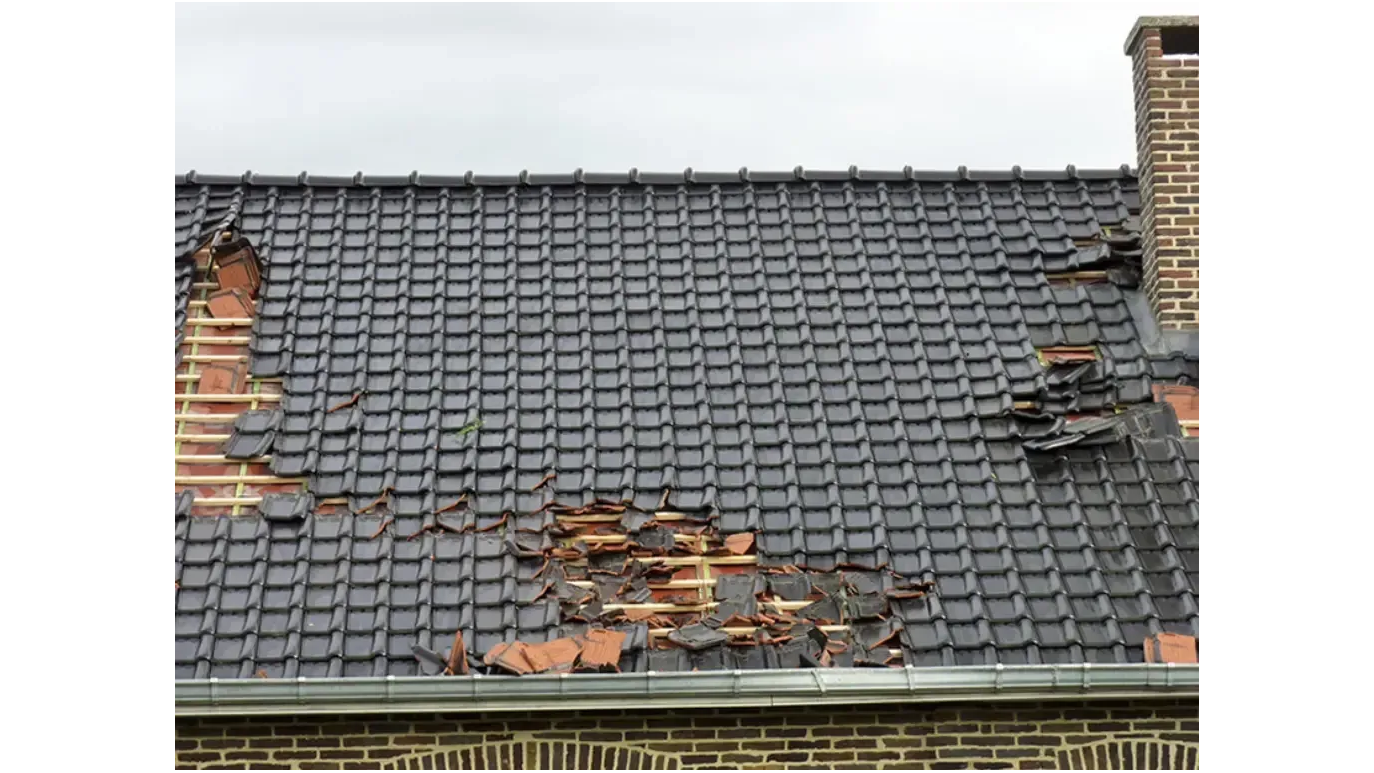
Living along the Gulf Coast means dealing with some of the harshest weather conditions in the country. From scorching summer heat to devastating hailstorms, your roof takes a constant beating from Mother Nature. Recognizing the early warning signs of roof damage can mean the difference between a simple repair and a complete roof replacement.
Every homeowner should know the telltale signs that indicate their roof needs professional attention. These warning signals often appear gradually, making them easy to overlook until serious damage occurs. Understanding what to look for can help protect your investment and prevent costly emergency repairs.
The most obvious signs include visible shingle damage, water infiltration, and structural changes to your roof's appearance. However, some indicators are more subtle and require a trained eye to identify. Regular visual inspections from ground level can help spot many of these issues before they worsen. Roofing professionals recommend that homeowners familiarize themselves with these warning signs to make informed decisions about their roof's health.
Age is another critical factor to consider when evaluating your roof's condition. Even without visible damage, older roofs may be approaching the end of their useful life and require replacement regardless of their current appearance.
Shingle damage represents the most common type of roof deterioration, yet many homeowners fail to recognize the early warning signs. Understanding the different types of shingle damage helps property owners take proactive steps before minor issues become major problems.
Curling or buckling shingles indicate aging or improper installation, reducing their effectiveness in protecting against water and potentially leading to more severe roof damage if unaddressed. This type of damage typically occurs when shingles lose their flexibility due to prolonged exposure to heat and UV rays. The edges of the shingles begin to lift up or curl inward, creating gaps where water can penetrate.
Cupped shingles show a similar pattern but curve in the opposite direction, creating a bowl-like shape. Both conditions compromise your roof's ability to shed water effectively, increasing the risk of leaks and water damage to your home's interior structure.
Missing shingle granules, evident as bare spots or excessive granules in gutters, accelerate shingle damage and increase the risk of leaks and water infiltration. These protective granules shield the asphalt layer beneath from harmful UV rays and provide fire resistance. When granules wash away, the underlying material becomes exposed to direct sunlight and weather elements.
Homeowners often notice granule loss by checking their gutters after heavy rains. Excessive granule accumulation in downspouts and gutters indicates significant shingle deterioration. Bare spots on shingles appear as dark patches where the asphalt backing shows through, making these areas particularly vulnerable to further damage.
Cracked shingles create direct pathways for water to enter your home's structure. These cracks typically develop due to thermal expansion and contraction caused by extreme temperature fluctuations common in the Gulf Coast region. Wind damage and impact from debris can also cause shingle cracking.
Small cracks may seem insignificant, but they allow water to seep through to the underlying roof deck. Over time, this moisture causes wood rot, mold growth, and structural damage that extends far beyond the roof itself. Early identification and repair of cracked shingles prevent these cascading problems.
Many homeowners focus solely on exterior roof conditions while ignoring interior warning signs that often provide the earliest indication of roof problems. These indoor signals frequently appear before exterior damage becomes visible, making them valuable early detection tools.
Water stains on ceilings or walls are visible signs of a roof leak, potentially leading to rot, peeling paint, or mold if not promptly addressed. These stains typically appear as discolored patches with irregular shapes, often accompanied by a musty odor. The location of interior water stains doesn't always correspond directly to the source of the leak, as water can travel along rafters and other structural elements before appearing inside your home.
Fresh water stains appear darker and may feel damp to the touch, while older stains show yellow or brown discoloration. Any water staining requires immediate professional investigation to identify and repair the underlying cause before structural damage occurs.
Attic inspections reveal vital information about your roof's condition that's impossible to detect from ground level. Homeowners should check their attic for water stains or mold on rafters and sheathing, proper insulation levels, and signs of pests that may have compromised insulation integrity.
Look for daylight filtering through the roof boards, which indicates gaps or holes in the roofing system. Moisture problems in attics often manifest as condensation on metal fixtures, wet insulation, or ice dam formation during winter months. These conditions create ideal environments for mold growth and wood rot, both of which threaten your home's structural integrity.
The Gulf Coast's unique climate creates perfect conditions for rapid roof deterioration. Understanding how local weather patterns affect roofing materials helps homeowners prepare for and prevent common problems specific to this region.
Extreme heat and UV exposure in Texas cause roofing materials to expand, contract, and deteriorate faster, while sudden temperature fluctuations create thermal stress. Daily temperature swings can exceed 30 degrees, forcing roofing materials through constant expansion and contraction cycles that gradually weaken their structural integrity.
UV radiation breaks down the chemical bonds in asphalt shingles, causing them to become brittle and prone to cracking. This photodegradation process accelerates in the intense Texas sun, where temperatures regularly exceed 100 degrees Fahrenheit during summer months. The combination of heat and UV exposure significantly shortens roof lifespans compared to more temperate climates.
Hail damage can cause granule loss, shingle cracks, and punctures, leading to water infiltration, interior damage, and mold growth if not promptly repaired. Texas experiences some of the most severe hail storms in the country, with hailstones ranging from pea-sized to softball-sized projectiles that can devastate roofing systems in minutes.
Even seemingly minor hail impacts compromise shingle integrity by loosening granules and creating microscopic fractures that worsen over time. Large hailstones can puncture shingles completely or cause impact fractures that aren't immediately visible but allow water penetration during subsequent storms.
High humidity levels along the Gulf Coast create ideal conditions for moss, algae, and mold growth on roof surfaces. These organisms retain moisture against roofing materials, accelerating decomposition and creating additional weight loads that stress structural components.
Moss growth particularly affects north-facing roof sections that receive limited direct sunlight. The root systems of moss plants penetrate between and under shingles, lifting them up and creating pathways for water infiltration. Regular cleaning and treatment prevent biological growth, but established moss colonies require professional removal to avoid damaging the underlying roofing materials.
Even well-maintained roofs eventually reach the end of their useful life and require complete replacement rather than continued repairs. Understanding typical lifespan expectations helps homeowners plan for this significant investment.
Asphalt shingle roofs in Texas typically last 15 to 30 years, while other materials like metal or tile can last much longer, but proper maintenance, including inspections after storms, can extend their lifespan. The harsh climate conditions significantly reduce the expected lifespan compared to manufacturer warranties, which are based on ideal conditions rather than real-world Texas weather.
Factors that influence roof longevity include installation quality, material grade, ventilation adequacy, and maintenance consistency. Premium shingles may last slightly longer, but even the highest-quality materials succumb to the relentless Texas climate eventually. Planning for replacement before complete failure prevents emergency situations and allows for better contractor selection and timing.
Adequate attic ventilation significantly impacts roof longevity by reducing heat buildup and moisture accumulation. Proper ventilation systems remove hot air from attic spaces, reducing the thermal stress on roofing materials and preventing ice dam formation during rare freeze events.
Insufficient ventilation causes heat to build up under the roof deck, accelerating shingle aging and increasing cooling costs. Moisture problems also develop when warm, humid air cannot escape, leading to condensation, mold growth, and wood rot. Installing ridge vents, soffit vents, and powered exhaust fans creates proper airflow that protects both the roof structure and interior comfort systems.
Regular roof inspections are vital for early detection of damage from extreme weather or wear, protecting your investment and providing peace of mind. Professional roofers have the training and equipment necessary to safely access all areas of your roof and identify problems that untrained eyes might miss.
A thorough inspection checklist should include checking for damaged or missing shingles, inspecting flashing around penetrations, and looking for signs of algae or moss growth. Professional inspectors also examine gutters, downspouts, and drainage systems to ensure proper water management. They can identify potential problems before they become expensive emergencies, ultimately saving thousands of dollars in repair costs.
Early intervention often allows for targeted repairs rather than complete roof replacement, significantly reducing overall costs while maintaining your home's protection and value.
For professional roof inspection and repair services tailored to Gulf Coast weather conditions, contact a local specialist to protect your home's most important defense system.


