One inch of standing water can cause $25,000 in damage, yet the average household wastes 10,000 gallons annually from undetected leaks. Here are six warning signs that could save thousands in repairs—and why most homeowners miss them for months.
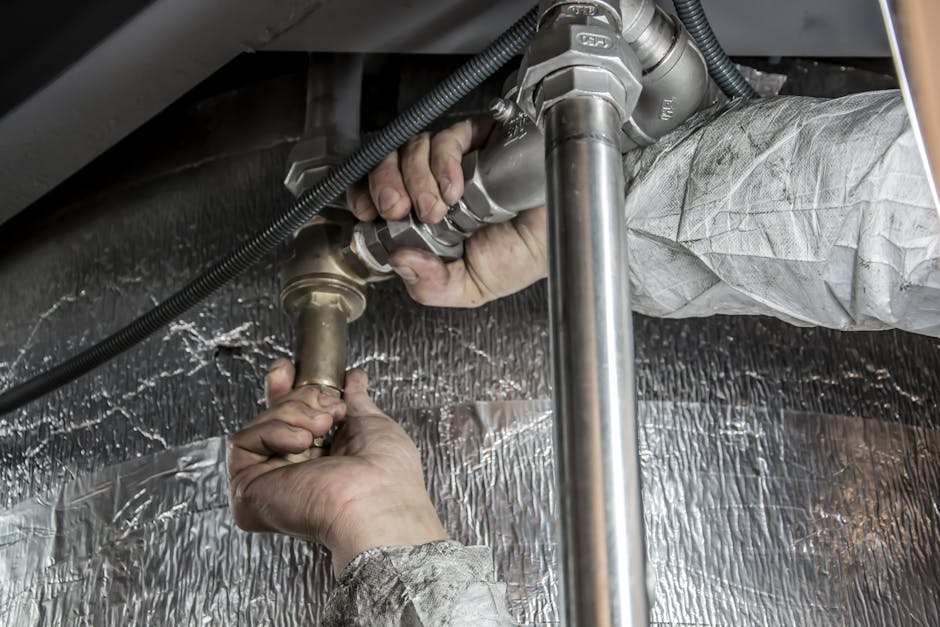
Water damage strikes roughly 1 in 60 insured homes each year, making it the second most frequent insurance claim after wind and hail damage. The average insurance payout reaches nearly $14,000, but the true cost extends far beyond immediate repairs. Hidden leaks silently drain bank accounts through inflated utility bills while creating perfect breeding grounds for mold, structural damage, and health hazards.
Just one inch of standing water can cause up to $25,000 worth of damage to a home. Water damage and freezing accounted for nearly 28% of all homeowners' insurance losses last year, highlighting how common these devastating incidents have become. The financial impact extends beyond initial repairs—water damage can reduce home values by 5% to 10% for minor issues and 10% to 20% for moderate damage involving damp basements or mold growth.
Most homeowners remain unaware that small, seemingly harmless drips steadily accumulate into major expenses. The average household's leaks waste more than 10,000 gallons of water annually—equivalent to washing 270 loads of laundry. Professional plumbers advise homeowners to be vigilant—early detection through regular maintenance is what prevents hidden costs from spiraling out of control. Across Alabama, plumbers report that the majority of serious water damage cases they're called to handle could have been caught weeks or months earlier.
Recognizing leak symptoms early protects both property and finances. These six warning signs indicate water is escaping somewhere in the home, often in hidden areas that make detection challenging without professional help. Here are the six signs to look out for...
Consistent water usage should produce predictable monthly bills. Bills that suddenly jump 20% or more without increased consumption—no pool filling, lawn watering changes, or house guests—likely indicate hidden leaks draining both water and money. Even small pinhole leaks in buried pipes can waste hundreds of gallons monthly, creating noticeable billing increases that serve as early warning systems for larger problems developing underground.
Yellow or brownish stains appearing on ceilings and walls indicate water penetration from behind surfaces. These discolorations typically start small but expand over time as leaks continue. The affected drywall may become soft, bubble up, or eventually warp and break apart. Stains near plumbing fixtures, in bathrooms, or below upper-level plumbing suggest pipe leaks requiring immediate attention before structural damage occurs.
Persistent earthy or musty smells, especially after thorough cleaning, signal moisture accumulation, creating ideal conditions for mold and mildew growth. These odors often develop in areas with hidden water buildup—inside walls, crawlspaces, or beneath flooring. The distinctive smell indicates organic matter decomposition in consistently damp environments, warning of potential health hazards developing alongside structural concerns.
Water continuously seeping into concrete foundations causes cracking, buckling, and shifting over time. Even small hairline foundation cracks can expand rapidly when exposed to ongoing moisture. Signs include leaning basement walls, displaced moldings and trim, or large cracks in foundation floors. These structural issues indicate chronic underground leaks requiring immediate professional assessment to prevent further deterioration.
Interior plumbing should remain silent when fixtures aren't in use. Hearing dripping, rushing, or flowing water sounds from within wall cavities suggests pipe leaks allowing water to escape into hollow spaces. These sounds may occur constantly or only when water pressure changes force more liquid through compromised pipe sections. Even small leaks create detectable noise as water drips and trickles down between walls.
While some mold around shower areas is normal, growth in unexpected locations—living rooms, bedrooms, basements—indicates water intrusion from leaks. Mold appears as fuzzy spots, green or black streaks, or spreading blemishes on surfaces. Hidden pipe networks provide ideal dark, moist conditions for rapid mold proliferation, creating health risks including respiratory irritation, allergic reactions, and worsened asthma symptoms.
Home plumbing systems, hidden away behind walls, create perfect hiding spots for developing leaks. Understanding why these problems remain invisible helps explain why proactive detection and professional inspections matter — something Alabama homeowners with older housing stock tend to learn the hard way.
Advanced equipment allows professionals to locate leaks without destructive excavation or wall demolition. These technologies revolutionize leak detection by pinpointing problems precisely while preserving property.
Thermal imaging cameras detect temperature variations indicating moisture presence behind surfaces. Hot water leaks create warm spots visible through infrared technology, while cold water leaks show cooler areas compared to surrounding materials. This non-invasive method identifies problem locations without opening walls, allowing targeted repairs that minimize restoration costs and property disruption.
Professional-grade moisture meters measure water content within building materials without surface penetration. These devices detect elevated moisture levels, indicating active leaks or water damage progression. Technicians can trace moisture patterns to identify leak sources and assess damage extent, providing accurate information for repair planning and cost estimation.
Electronic leak detection equipment eliminates guesswork that leads to exploratory demolition. Acoustic sensors detect water movement sounds within pipes, while pressure testing identifies compromised sections of plumbing systems. This precision prevents unnecessary property damage while ensuring complete problem resolution, saving homeowners significant restoration expenses.
Modern smart home technology provides 24/7 monitoring and instant response capabilities that prevent minor leaks from becoming major disasters. These systems offer peace of mind through continuous surveillance and automatic protection.
Smart water sensors placed near leak-prone areas—water heaters, washing machines, dishwashers—send immediate notifications when moisture is detected. These devices alert homeowners through smartphone apps, emails, and text messages, enabling rapid response even when away from home. Early warning systems prevent small leaks from causing extensive damage by facilitating immediate action.
Advanced smart water monitors like the Flo by Moen system learn household water usage patterns and detect abnormalities indicating potential leaks. These systems can identify leaks as small as one drop per minute anywhere in the home. When unusual water flow is detected, the system can automatically shut off the main water supply, preventing catastrophic flooding during vacations, work trips, or overnight hours when problems typically go unnoticed.
Preventive maintenance through professional inspections identifies problems before they escalate into expensive emergencies. Therefore, regular assessments protect both immediate finances and long-term property values through early intervention.
Water damage creates lasting impacts on property values even after repairs are completed. Disclosure requirements for previous water damage can affect resale prospects and buyer confidence. Professional inspections identify developing issues before they cause visible damage, preserving home value and avoiding lengthy restoration projects that disrupt daily life.
Systematic inspections identify wear patterns, corrosion, and deterioration before failures occur. Replacing aging fixtures, tightening connections, and addressing minor issues prevents premature system replacement costs. Professional maintenance extends plumbing lifespan significantly while ensuring optimal performance and efficiency throughout the system's operational life.
Excessive water pressure stresses plumbing systems, causing premature wear and increasing leak probability. Professional inspections include pressure testing that identifies dangerous levels requiring pressure reduction systems. Addressing high pressure prevents accelerated fixture wear, pipe strain, and catastrophic failures that result in extensive water damage and expensive emergency repairs.
Professional leak detection services combine advanced technology with experienced technicians to provide thorough property protection. Professional services offer capabilities beyond homeowner resources, ensuring complete system evaluation and effective problem resolution.
Professional leak detection services provide thorough protection through systematic evaluation, advanced equipment, and expert assessment. These services identify current problems while preventing future issues through maintenance recommendations and system optimization. For Alabama homeowners, the investment in professional detection typically pays for itself many times over — through prevented damage, reduced utility bills, and a plumbing system that lasts.


