With an $830.4 billion market projected to reach $1.8 trillion by 2032, artisanal businesses offer creative freedom and unlimited income potential. But success requires balancing production with marketing, understanding pricing strategies, and creating a distinctive brand that stands out in a competitive marketplace, experts say.
Imagine waking up each morning excited to create beautiful things with your hands, setting your own schedule, and earning money doing what you love. That's the dream that pulls many creative people toward starting an artisanal business. But behind those perfectly styled Instagram photos of handcrafted products lies a more complicated reality.
Starting a craft business isn't just about making beautiful things. It's about becoming a business owner who happens to make beautiful things. Scarlett Nebbs' book, "Crafting Success: Eco-Friendly Sustainable Artisanal Business," is a resource that can help aspiring craft entrepreneurs understand what it really takes to build a sustainable creative business.
The truth is that successful artisans spend as much time on marketing, finances, and customer service as they do on creating. They face tough decisions about pricing, struggle with market competition, and often work longer hours than they did in traditional jobs. Yet for those who approach it with clear eyes and proper planning, the rewards can be extraordinary.
The numbers tell an exciting story for anyone considering an artisanal business. The global handicrafts market hit $830.4 billion in 2023, and by 2032, experts predict it will reach a staggering $1.8 trillion, growing at an impressive 9.2%. This isn't just steady growth—it's a market explosion that's creating room for new artisanal entrepreneurs to carve out their niche.
What's driving this growth? Consumers increasingly value authenticity, sustainability, and personal connection in their purchases. The pandemic accelerated this shift, with many people reconsidering what matters to them and choosing to support small, independent creators rather than faceless corporations. Digital platforms have opened global markets, allowing even small craft businesses to reach customers worldwide.
Not all craft niches offer equal potential. Some sectors are seeing particularly strong growth and commanding premium prices. Sustainable home goods made from eco-friendly materials are booming as environmental consciousness grows. Personalized items—from custom jewelry to monogrammed leather goods—let customers express their individuality while giving makers a way to stand out from mass production.
Functional art pieces that serve practical purposes while adding beauty to everyday life—like handcrafted ceramic mugs or artisanal wooden cutting boards—continue to find eager markets. The key is finding the sweet spot where your skills and passions align with market demand and pricing potential.
Real-world success stories prove what's possible in the artisanal space. Yellow Owl Workshop started with simple handcrafted stamps and has grown into a recognizable brand with diverse product offerings spanning jewelry, art supplies, and distinctive designs. Their quirky aesthetic and consistent quality have built a loyal following that supports sustainable growth.
Heath Ceramics demonstrates remarkable longevity, maintaining relevance for over 70 years while staying true to handcrafted quality. They've expanded thoughtfully from tableware into architectural tiles, proving that artisanal businesses can achieve significant scale without compromising craft values.
Even smaller operations show what's possible. Katnipp Studio has built a thriving business with focused product lines featuring kid-friendly art across stationery and home décor. Their clear brand identity and consistent aesthetic have helped them build a dedicated customer base in a competitive market.
One big appeal of craft businesses is their relatively low entry cost compared to other startups. You won't need to lease expensive retail space or buy industrial equipment. However, the costs do add up quickly.
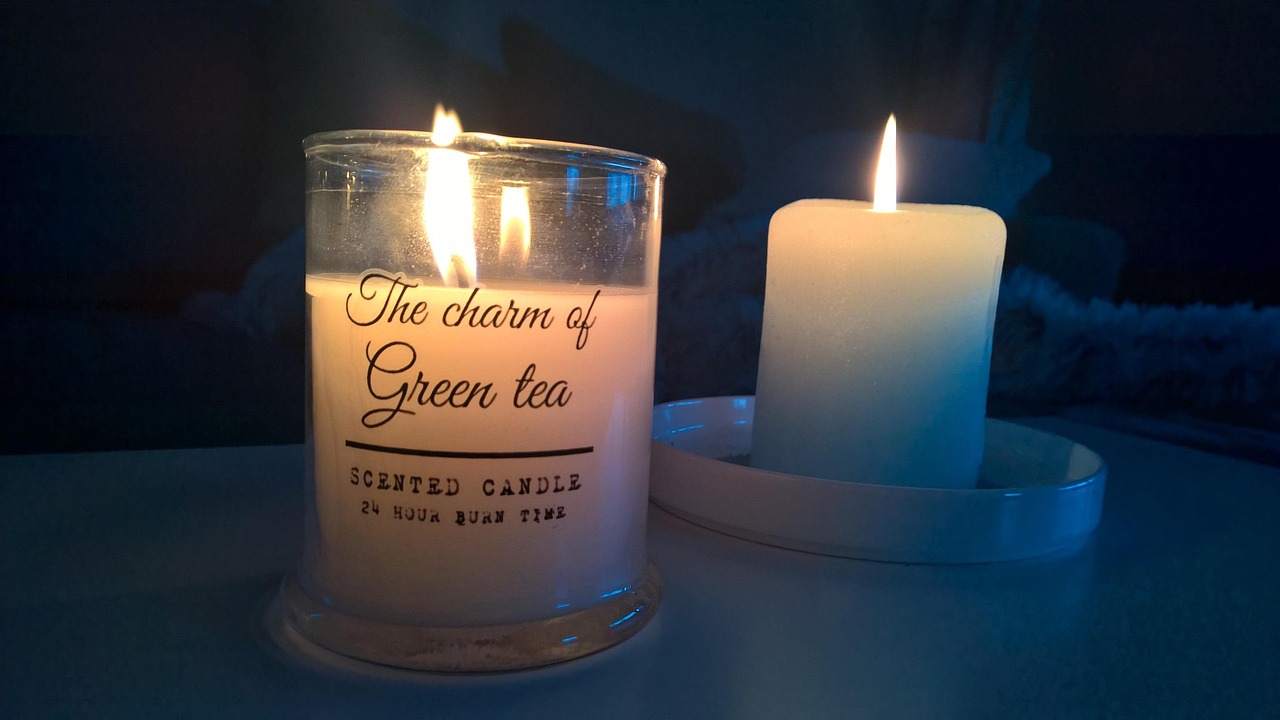
Most craft businesses require an initial investment in high-quality tools and materials. A jewellery maker might need specialized pliers, metal stamps, and a small kiln. A potter needs wheels, kilns, and glazes. Even seemingly simple crafts like candle making require testing different waxes, fragrances, and containers to perfect your product line.
Beyond production tools, you'll need:
As Scarlett Nebbs notes in her guide to sustainable artisanal businesses, starting with a financial cushion gives you breathing room to develop products properly before sales pressure mounts. Most successful craft businesses begin with at least a small capital reserve—typically $1,000-$3,000 for smaller crafts and potentially $5,000-$10,000 for those requiring specialized equipment.
Pricing correctly might be the single biggest challenge for new craft entrepreneurs. Many makers dramatically undervalue their work, especially their time. A sustainable pricing formula must include:
Materials + Labor + Overhead + Profit = Wholesale Price × 2 = Retail Price
Let's break this down with a real example. For a handmade ceramic mug:
This creates a wholesale price of $42, meaning your retail price should be around $84. This often shocks new artisans, but remember—customers seeking handmade items value quality, uniqueness, and craftsmanship. They understand the difference between your work and mass-produced alternatives.
The financial journey of craft businesses rarely follows a straight upward line. Most new ventures take 1-2 years to generate consistent income, with seasonal fluctuations common even in established businesses.
During your first year, consider your craft business supplemental income rather than your primary financial support. Many successful artisans maintain part-time jobs during startup phases, gradually scaling back as their business grows. Starting a craft business isn't recommended if you need immediate income to cover basic living expenses.
That said, the long-term potential is significant. Craft businesses that develop distinctive products, efficient production methods, and strong marketing can eventually generate six-figure revenues. Some expand into wholesale, licensing, or teaching to create multiple income streams beyond direct product sales.
Beyond the financial considerations, craft businesses offer powerful lifestyle advantages that draw many creative people to entrepreneurship.
First, there's the freedom to work wherever you want. Whether that's a sunny corner of your living room, a dedicated home studio, or eventually a commercial space, you control your environment. No more fluorescent office lighting or uncomfortable desk chairs—you can create a workspace that truly inspires you.
The flexibility to set your own schedule ranks high on most craft entrepreneurs' list of benefits. Early bird? Start creating at dawn. Night owl? Your torch or sewing machine doesn't care what time it is. Parents particularly value the ability to work around family schedules and be present for important moments without requesting time off.
Perhaps most significantly, transforming your passion into your profession brings deep satisfaction. The pride of seeing someone choose, purchase, and treasure something you made with your own hands creates a connection that few other professions offer. Each positive review or customer photo showing your work in its new home reinforces the value of what you create.
Many artisans also find unexpected joy in building a community around their work. Whether connecting with fellow makers at craft fairs or engaging with customers who share appreciation for your aesthetic, these relationships add meaning beyond the financial rewards.
The reality of craft production is far messier than the styled photos suggest. Clay dust settles on every surface in a potter's home. Jewellery makers find tiny beads in unexpected places months after a project. Fabric scraps multiply seemingly on their own for dressmakers and quilters.
Most craft businesses start at home, which means living with your inventory, supplies, works-in-progress, and packaging materials. This space invasion creates both practical and psychological challenges. Finding storage solutions becomes an ongoing puzzle, especially for bulky materials or temperature-sensitive supplies.
The psychological impact of a messy workspace shouldn't be underestimated. Studies show that disorganized spaces increase stress and reduce productivity. Creating systems for organizing materials, managing inventory, and containing creative chaos becomes essential for both business efficiency and personal wellbeing.
As your business grows, you'll eventually face decisions about expanding beyond your home. Renting studio space represents a significant financial commitment but may become necessary for both production needs and maintaining healthy work-life boundaries.
The most surprising reality for new craft entrepreneurs? How little time you actually spend crafting. Running a successful artisanal business means wearing multiple hats:
Many artisans find themselves working significantly longer hours than anticipated, with evenings and weekends devoted to business tasks after days spent on production. During busy seasons, you might spend more time answering emails and packaging orders than actually creating.
Successful craft entrepreneurs develop strategies to manage this tension. Some batch similar tasks—designating specific days for production, photography, or administrative work. Others gradually outsource certain aspects as finances allow, starting with time-consuming tasks they enjoy least. Finding this balance requires ongoing adjustment as your business evolves, but remains essential to both profitability and personal satisfaction.
Making beautiful products is only half the battle in a craft business. Finding people who will buy them is equally challenging. Many talented artisans struggle not because their work lacks quality, but because they haven't connected with their ideal customers.
The first step is getting crystal clear about who would love your products. Are they environmentally conscious millennials who value sustainability? Parents looking for unique, safe toys for their children? Home decorators seeking one-of-a-kind statement pieces? Knowing your audience shapes everything from your product design to your marketing approach.
Once you know who you're trying to reach, you need to figure out where they spend their time. This might include:
Building genuine connections with customers transforms one-time buyers into loyal fans who recommend your work to others. Share your process, the story behind your designs, and what makes your products special. People increasingly want to know the makers behind the products they buy.
Despite the growth of online shopping, in-person sales remain incredibly valuable for craft businesses. Participating in craft fairs, artisan markets, and pop-up events gives you direct access to customers who actively seek handmade products.
These events offer unique benefits you can't get online:
Success at markets requires more than just showing up with your products. Your booth design should reflect your brand and showcase your work effectively. Consider how customers will move through your space, what catches their eye first, and how you'll process payments quickly. Many successful craft vendors report that their display evolves significantly after their first few shows based on what they learn about customer behavior.
When selling online, you have two main options: established marketplaces or your own independent website.
Platforms like Etsy and Amazon Handmade offer significant advantages for beginners:
However, these conveniences come with tradeoffs. You'll pay fees on each sale (typically 3-8% plus listing fees), face intense competition, and have limited control over how your brand is presented. Your customers technically belong to the platform, not to you.
Creating your own online store through platforms like Shopify gives you complete control over your brand experience and direct access to customer information for marketing. While you'll pay monthly subscription fees instead of per-sale fees, your profit margins are typically higher, especially as your sales volume grows.
Many successful craft businesses use both approaches strategically. They start on marketplaces to test products and build an audience, then gradually transition customers to their own website for repeat purchases and exclusive offerings.
Selling your crafts to retailers who then sell them to consumers can provide more stable income than relying solely on direct sales. While wholesale prices are typically 50% of retail (meaning you make less per item), the volume and efficiency of fulfilling larger orders often makes this profitable.
Wholesale relationships also offer valuable benefits beyond immediate sales:
Getting started with wholesale has become much easier in recent years. Platforms like Faire connect makers directly with thousands of retailers looking for unique products. These services handle many administrative aspects—from buyer verification to payment processing—allowing you to focus on creating and fulfilling orders.
To succeed in wholesale, you'll need to design products that work at wholesale pricing while maintaining quality. Your packaging, pricing, and production capacity must all align with retailers' expectations.
Starting an artisanal business means blending your creative passion with entrepreneurial skills. It's not the right path for everyone, and that's okay. Consider these questions before diving in:
If you're nodding yes to these questions, you may have what it takes to succeed.
For those ready to build a sustainable artisanal business that stands the test of time, Scarlett Nebbs' guide, "Crafting Success: Eco-Friendly Sustainable Artisanal Business,", can provide a comprehensive roadmap for this rewarding path.


