Classical pianists face a choice: tradition or technology? High-end digital pianos now bridge the gap with impressive key feel and sound quality, featuring wooden keys that nearly match grand pianos – while offering benefits acoustic instruments can’t provide.
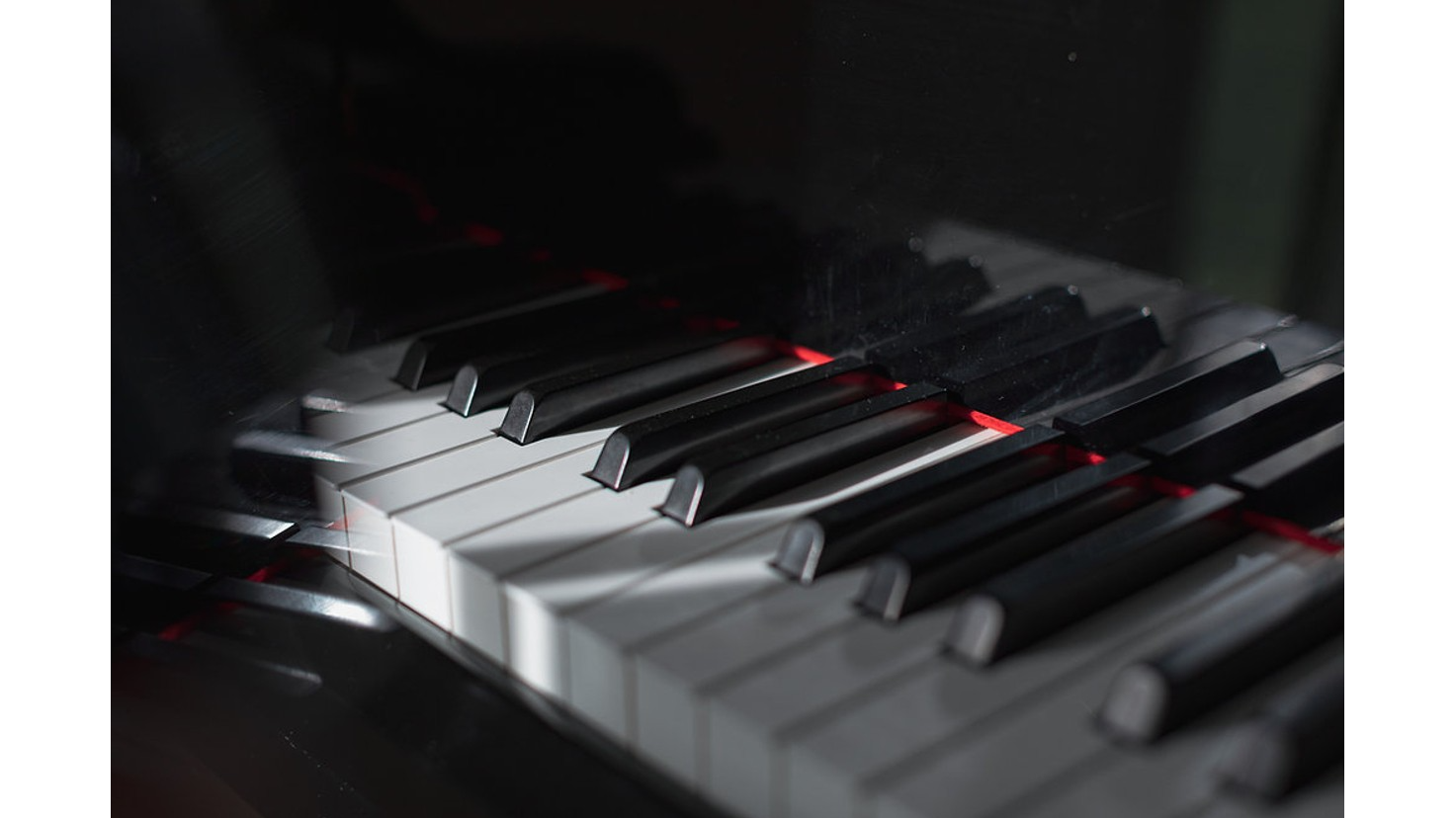
For generations, classical pianists have considered acoustic grands the only serious option for practice and performance. The resistance to digital alternatives runs deep, often rooted in tradition rather than current technology. But today's high-end digital pianos have advanced tremendously, challenging many long-held beliefs about what's possible from electronic instruments.
World-renowned classical pianist Frederic Chiu shocked many colleagues when he revealed he had practiced exclusively on a digital piano for more than 10 years. His experience demonstrates how the right digital instrument can not only supplement but sometimes enhance classical practice.
The debate ultimately centers on authenticity versus practicality. While nothing perfectly replicates a Steinway grand, Sam Ash offers digital pianos that come remarkably close while adding benefits impossible with acoustic instruments. From silent practice capabilities to consistent performance regardless of room conditions, digital pianos solve real problems for today's classical pianists.
If you're serious about classical music, a basic keyboard just won't cut it. You need something that feels and responds like the real thing. That starts with the keys, weighted, graded, and textured to mimic the resistance and touch of a grand piano. It's what helps build proper technique and makes expressive playing possible.
The key action is arguably the most critical feature for classical pianists. Premium digital pianos use wooden keys with graded hammer actions that provide heavier resistance in the bass and lighter touch in the treble, just like an acoustic piano. Models like the Yamaha CLP-775 and Kawai CA501 feature wooden key actions specifically designed to replicate the feel of a concert grand, complete with that satisfying sensation as keys are pressed.
Today's digital pianos capture much more than just the basic sound of piano strings. They also model complex acoustic phenomena like sympathetic string resonance, damper resonance, and even the subtle mechanical noises of a grand piano action. Yamaha's Virtual Resonance Modeling and Kawai's Harmonic Imaging XL create richly detailed soundscapes that respond naturally to your touch and pedaling techniques.
Classical repertoire demands high polyphony counts - at least 256 notes for complex pieces with extensive pedaling. This ensures no notes are cut off prematurely during dense passages. Equally important is a responsive three-pedal system that accurately simulates damper, sostenuto, and soft pedal functions, including half-pedaling capabilities essential for refined classical expression.
Even the best digital sound engine falls short without proper amplification. High-end digital pianos feature sophisticated multi-speaker systems that project sound in a way that mimics how acoustic pianos resonate. The Kawai CA501, for instance, includes a powerful 100-watt speaker system that creates an immersive sound experience, capturing both the power of fortissimo passages and the delicate nuances of pianissimo playing.
Even the most dedicated acoustic piano enthusiasts might be surprised by the practical advantages digital pianos offer. These benefits go beyond mere convenience and can actually enhance a classical pianist's development in unexpected ways.
Acoustic pianos are notoriously sensitive to environmental changes. Even slight fluctuations in humidity can affect tuning and touch, potentially disrupting practice sessions. Digital pianos remain perfectly consistent regardless of weather conditions, ensuring the same reliable performance whether it's the middle of summer or the dead of winter. This consistency is particularly valuable for performers who need predictable responses from their instrument during crucial preparation periods.
The regular tuning, regulation, and voicing required for acoustic pianos are now things of the past, all thanks to digital instruments. There's no need to schedule and pay for tuning at least twice yearly, and you'll never encounter the frustration of finding certain notes out of tune during critical practice sessions. This consistency allows classical pianists to focus entirely on their playing rather than the condition of their instrument, saving both time and money in the long run.
The ability to practice silently with headphones is transformative for many classical pianists. Late-night practice sessions become possible without disturbing others, removing time constraints from your practice schedule. This privacy also eliminates performance anxiety during practice, allowing for more experimental approaches to difficult passages. Many professional pianists find that this freedom leads to more productive practice sessions and faster progress on challenging repertoire.
Today's digital pianos offer seamless integration with recording software, allowing classical pianists to capture their performances with professional quality. This capability makes self-evaluation much more effective and creates opportunities for sharing performances online or creating audition recordings without additional equipment. The ability to record practice sessions also provides valuable feedback for technical and interpretive development that many traditional practice methods just can't match.
"Practicing with the sound completely off means that you're practicing on a dummy keyboard," Frederic Chiu explains. This technique has historical precedent. Many 18th and 19th-century pianists used silent practice keyboards to focus purely on technique.
By removing sound from the equation, you separate the physical aspects of playing from the emotional experience of hearing the music. This allows for heightened awareness of finger movements, hand position, and physical sensations without auditory distractions. Many classical pianists find this helps them solve technical problems more efficiently.
Try setting your digital piano to a very low volume to encourage muscle development without auditory strain.
This subtle resistance training allows you to develop strength for powerful passages while keeping the actual sound at a comfortable level. It's particularly effective when working on fortissimo sections that might otherwise be fatiguing to practice repeatedly at full volume.
One of Chiu's most innovative techniques involves using just one side of headphones at a time over several days. "You practice with the headphone on either the left ear only or the right ear only. You do this over a period of a few days exclusively with the left ear, for example, and you start enhancing left-brain thinking, which is about precision, about rhythms, about accuracy."
After focusing on the analytical left-brain aspects, switching to the right ear encourages more intuitive, expressive playing. This technique helps balance the technical and artistic elements essential to classical performance.
Perhaps the most straightforward but significant benefit is the freedom from worrying about disturbing others. "As pianists, we generally don't get bothered by that, but a non-pianist, hearing that thing going over and over, it's emotionally draining," Chiu acknowledges.
The privacy provided by headphones creates a psychologically safe space for the repetitive practice classical music often requires. This benefit extends to practicing at any hour without constraints, allowing you to work when your mind is most receptive or when inspiration strikes.
Based on feedback from professional classical pianists and extensive testing, these three models stand out for their exceptional key action, sound quality, and overall performance capabilities that satisfy even demanding classical repertoire requirements.
The Yamaha Clavinova CLP-775 is ideal if you want a rich, grand piano experience at home or in the studio. The Roland FP-90X is perfect for players who want high-end sound and feel in a portable package. The Kawai CA501 is your go-to if you're after the most realistic wooden key action and beautiful tone in a refined upright design.
Unlike acoustic pianos that can last generations with proper care, digital pianos typically have a lifespan of 7 to 10 years. However, this comes with significant maintenance advantages. You'll never need to tune a digital piano or worry about humidity control, string replacement, or action regulation - common and costly aspects of acoustic piano ownership.
The electronics in digital pianos may eventually become outdated as technology advances, but during their lifespan, they require minimal upkeep beyond occasional cleaning and ensuring connections remain secure. This makes them particularly appealing for pianists who want consistent performance without ongoing maintenance costs.
One distinct advantage digital pianos offer classical pianists is built-in recording functionality. Most high-end models allow you to capture your performances directly to USB storage or connect to a computer for more sophisticated recording options. This capability is invaluable for self-assessment, creating audition materials, or documenting your progress with challenging repertoire.
The ability to record practice sessions makes it much easier to identify areas that need improvement, something that's often difficult to recognize in the moment when playing. Additionally, the option to share these recordings seamlessly online creates new opportunities for feedback from teachers or peers, even when in-person lessons aren't possible.
The digital versus acoustic piano debate doesn't have to be an either/or proposition. Many professional classical pianists have found that incorporating both into their practice regimen offers the best of both worlds. Digital pianos provide consistent, anytime practice opportunities with the specialized benefits Chiu describes, while acoustic grands deliver the full physical and acoustic experience needed for performance preparation.
For students, beginning with a quality digital piano can build proper technique while deferring the substantial investment an acoustic grand represents. As skills advance, practice time can be divided between digital and acoustic instruments as available. This hybrid approach acknowledges that while nothing fully replaces an acoustic grand for certain aspects of classical playing, today's digital pianos offer legitimate artistic and practical benefits that complement traditional training.
If you're ready to bring home a piano that fits your classical playing goals and lifestyle, can help every step of the way.


