Construction managers face a critical decision that can impact their project budgets for years: should you rent or buy shipping containers for your site? The break-even point might surprise you, and one factor determines everything.
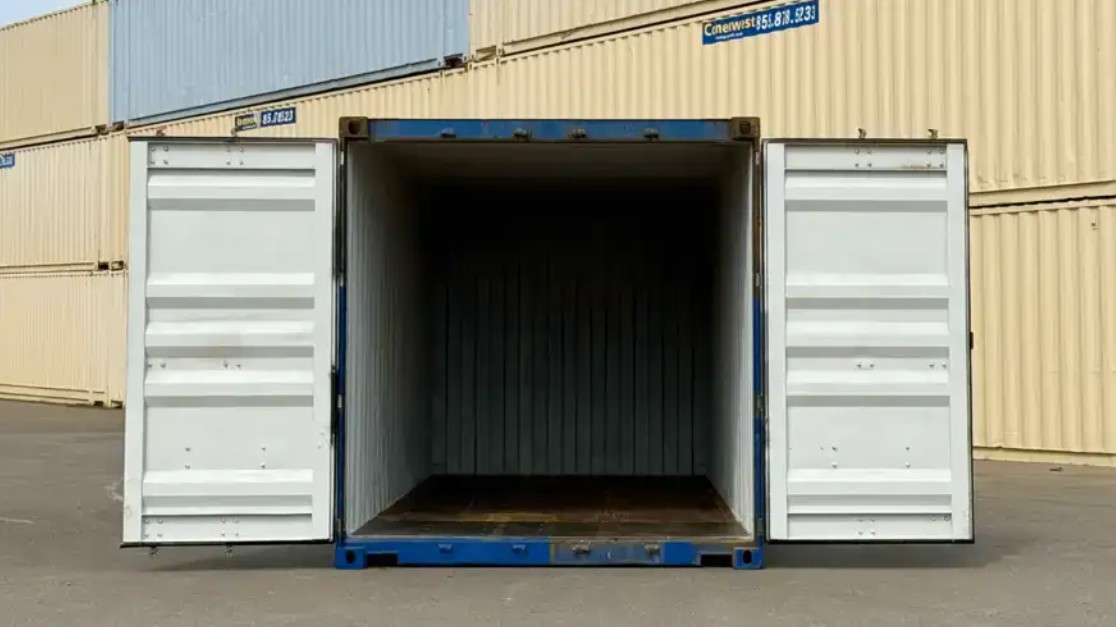
Construction sites demand flexible, secure solutions for everything from tool storage to temporary offices. Shipping containers have emerged as the go-to choice for project managers seeking cost-effective, durable structures that can adapt to changing site needs.
Construction containers deliver unmatched versatility and durability for project sites. Made from heavy-duty reinforced steel, these units resist vandalism, fire, and extreme weather conditions while requiring minimal maintenance. Their modular design allows quick setup—often within a single day—and easy relocation between job sites.
Container specialist Conexwest explains that the portability factor proves crucial for construction companies managing multiple locations. Unlike permanent structures, containers can be transported efficiently as projects wrap up and new sites begin. This mobility, combined with stackable designs that maximize limited site space, makes containers ideal for the fast-paced construction environment.
Rental agreements offer immediate access to container solutions without major capital investment. This approach suits specific project scenarios where flexibility outweighs ownership benefits.
Projects lasting less than 12 months typically benefit more from rental arrangements. The break-even point usually occurs around the one-year mark, making rentals cost-effective for shorter timelines. Construction managers can access containers quickly, use them for the project duration, and return them without worrying about long-term storage or maintenance.
Rental agreements require minimal initial investment compared to purchasing. Monthly payments allow companies to preserve cash flow for other project expenses. This approach helps smaller contractors compete for projects without tying up significant capital in equipment.
Rental fleets typically include basic modifications like ventilation and standard door configurations. Companies needing simple, secure storage without specialized features often find rental options perfectly adequate. The trade-off involves accepting available configurations rather than custom specifications.
Purchasing containers transforms them into company assets that generate long-term value. Ownership provides complete control over modifications, branding, and usage scheduling.
Companies with consistent container needs across multiple sites recover their investment quickly through repeated use. Quality containers can serve construction sites for 25-30 years or more with proper maintenance, making purchase costs negligible over time. The ability to move containers between active projects maximizes utilization.
Specialized needs such as climate control, multiple access doors, electrical systems, or plumbing modifications typically require ownership. Custom modifications increase container value while serving specific operational requirements. Companies can design containers to match exact workflow needs rather than adapting processes to available rental units.
Owned containers become valuable company assets that can display branding and signage. This visibility helps establish company presence on job sites while building brand recognition throughout the community. The asset value also provides potential resale options when containers are no longer needed.
Understanding true costs helps construction managers make informed financial decisions. Rental and purchase prices vary based on size, condition, location, and features.
Standard 20-foot containers rent for $100 to $250 monthly, with rates varying significantly based on geographic location, container condition, and included features. Forty-foot units typically range from $120 to $250 per month. High-cube containers command premium rates due to increased interior height and storage capacity.
Used shipping containers range from $1,300 to $3,500, with prices varying significantly based on geographic location, container condition, and included features. New containers cost between $2,800 and $7,800, providing latest features and longest service life. Regional price variations reflect transportation costs and local demand, with coastal areas often offering better selection and pricing.
Modern construction containers serve multiple functions that extend far beyond simple storage solutions. Their adaptability makes them valuable for creating complete site infrastructure, though most applications require proper modifications.
Converted containers provide comfortable workspaces for project managers, architects, and engineers when modified with climate control systems to maintain professional environments regardless of weather conditions. Meeting rooms equipped with tables, chairs, and presentation equipment facilitate client meetings and project planning sessions directly on-site.
Employee centers and break rooms offer workers comfortable spaces to rest, eat, and socialize when properly modified with climate control and electrical systems. These facilities boost morale and productivity while keeping teams on-site during breaks. Kitchen areas with refrigeration and food preparation space further enhance worker satisfaction.
Enclosed workshops provide controlled environments for welding, painting, and other specialized tasks requiring protection from elements. Security posts positioned at entry points enable monitoring and access control for large construction sites. These applications demonstrate containers' versatility beyond storage functions.
Plumbing modifications allow containers to serve as temporary restrooms and shower facilities for worker comfort. Waste management applications help maintain clean, organized, and safe construction sites. These sanitary solutions prove especially valuable for remote locations lacking existing infrastructure.
Construction-specific features make containers superior to traditional alternatives. Weather resistance provides good protection from rain, wind, and temperature extremes, though additional sealing or insulation may be required for sensitive contents or extreme conditions. Lockable steel doors and reinforced construction deter theft and vandalism, though high-security locks and lockboxes are recommended for enhanced protection. Ground-level access eliminates loading dock requirements while standard dimensions ensure compatibility with transportation equipment.
Stackable designs maximize space utilization on crowded sites. Containers can be modified to include electrical and plumbing systems to accommodate power tools and lighting systems. Shelving and organization systems can be added to optimize storage efficiency for tools, materials, and equipment.
The rent versus buy decision ultimately depends on project duration, budget constraints, and long-term company needs. Short-term projects under 12 months with standard requirements favor rental agreements. Long-term projects exceeding 2-3 years, multiple site operations, or custom modification needs support purchase decisions.
Companies should calculate total costs including delivery, setup, modifications, and removal when comparing options. Factor in potential resale value for purchased units and ongoing rental costs for extended projects. The most cost-effective choice aligns container solutions with specific project requirements and company growth plans.


