Warehouse expansion costs can drain budgets for months, but there’s a 2,350 cubic foot storage solution that deploys in days, not months. The secret lies in an unexpected transformation that’s revolutionizing how smart businesses scale their storage capacity.
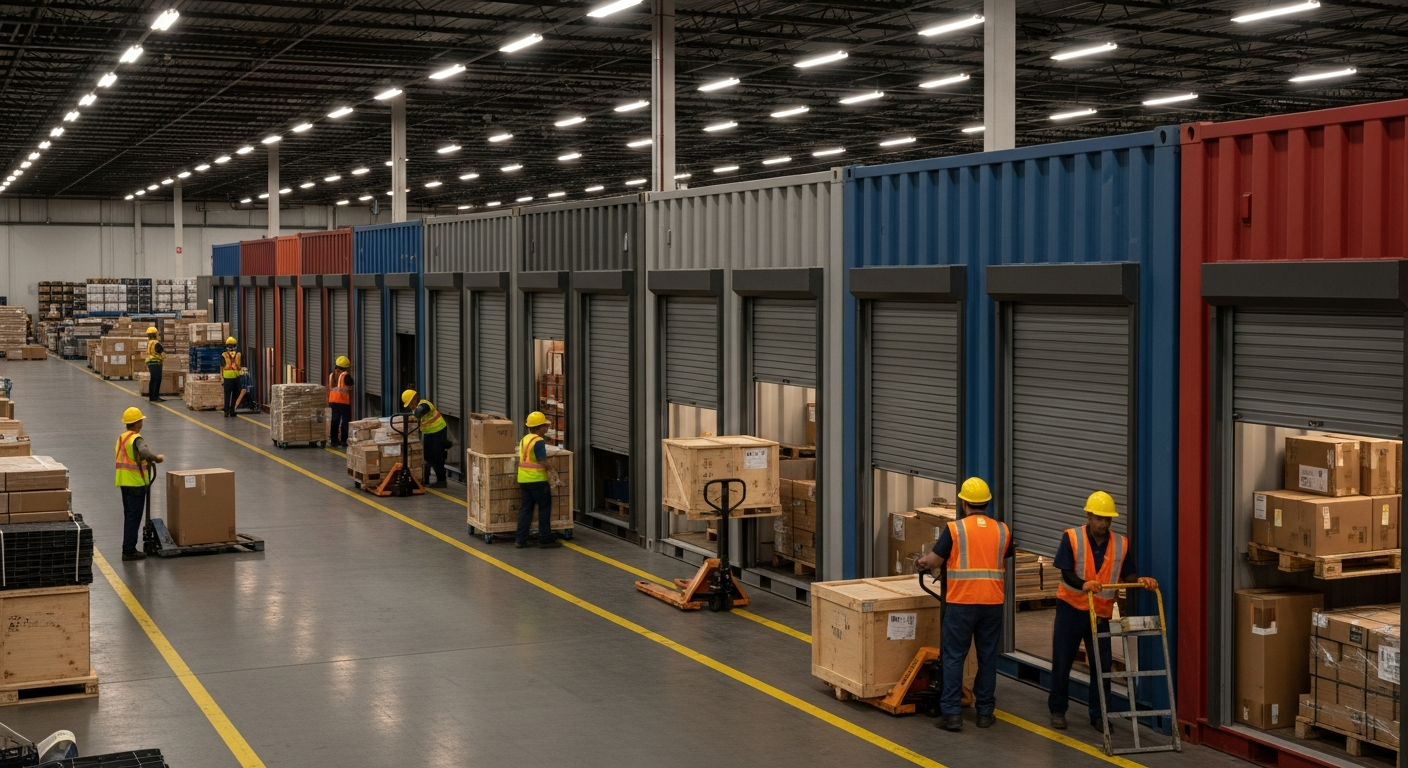
Warehouse managers and small business owners face mounting pressure to optimize storage capacity while controlling costs. Traditional warehouse expansion can drain budgets and take months to complete, leaving businesses struggling to meet growing inventory demands. Custom shipping containers present a practical alternative—offering immediate, flexible storage solutions that adapt to changing business needs.
A standard 40-foot shipping container delivers 2,350 cubic feet of interior storage space—equivalent to adding a small warehouse room without breaking ground. This substantial capacity eliminates the need for expensive building expansions that can cost tens of thousands of dollars and require lengthy construction timelines.
Unlike permanent construction, containers can be positioned strategically around existing warehouse facilities or placed outdoors to maximize available property. Roll-door container options provide easy access for frequent inventory movement, making them ideal for high-traffic storage applications.
The modular nature of container storage means businesses can start with one unit and add more as needed. This scalable approach prevents over-investment in unused space while ensuring adequate capacity for future growth. Weather-resistant steel construction protects inventory from environmental damage, maintaining product quality regardless of outdoor placement.
Container provider Conexwest explains the five benefits of using containers for expanding warehouse storage.
Container stacking creates multi-level storage systems that dramatically increase warehouse density. Standard containers can be safely stacked up to five units high when properly supported and following local regulations, effectively multiplying floor space utilization. This vertical approach proves especially valuable in urban areas where ground space commands premium prices.
Stackable configurations allow warehouse managers to segregate inventory by product type, seasonal demand, or access frequency. High-demand items remain at ground level for easy retrieval, while seasonal or backup inventory occupies upper levels. This systematic organization reduces picking time and improves overall warehouse efficiency.
Container mobility changes inventory management by eliminating the need to unpack and repack goods during relocations. Entire container contents can be transported to new locations using standard trucking equipment, preserving internal organization and reducing handling damage.
This portability proves invaluable for businesses operating multiple locations or seasonal operations. Retail companies can move seasonal inventory between stores, while construction firms can relocate tool storage to different job sites without disrupting workflows.
Container customization transforms basic steel boxes into specialized storage environments tailored to specific inventory requirements. Climate-controlled modifications maintain optimal temperature and humidity for sensitive products, while custom shelving maximizes internal organization.
Security enhancements, including reinforced lock boxes, alarm systems, and surveillance equipment, protect high-value inventory. These modifications create secure storage zones within larger warehouse facilities, allowing businesses to implement tiered security protocols based on product value.
Shipping containers utilize weathering steel construction designed to withstand harsh marine environments. With proper maintenance, including rust prevention and weatherproofing, containers maintain structural integrity for an average of 25 years, with some lasting up to 50 years when converted for construction purposes. This durability far exceeds temporary storage alternatives while providing long-term asset value.
Regular maintenance requirements remain minimal—periodic inspections for rust, proper ventilation checks, and occasional protective coating applications keep containers operational. This low-maintenance profile reduces ongoing operational costs compared to traditional building maintenance.
Container modularity enables businesses to adjust storage capacity quickly without long-term commitments. Additional units can be deployed within days, allowing companies to respond rapidly to market fluctuations or seasonal inventory changes.
This flexibility proves valuable for growing businesses that need scalable solutions. Unlike warehouse leases or construction projects, container storage can be reduced during slow periods and expanded during peak seasons, optimizing costs throughout business cycles.
Advanced climate control systems transform containers into controlled environment storage facilities. HVAC installations maintain precise temperature and humidity levels, necessary for pharmaceuticals, electronics, or food products requiring specific environmental conditions.
Insulation packages improve climate control efficiency while reducing energy costs. Spray foam or panel insulation creates thermal barriers that maintain internal temperatures regardless of external weather conditions. These modifications ensure product quality while minimizing operational expenses.
Custom shelving systems maximize container storage density while improving inventory accessibility. Heavy-duty steel shelving withstands industrial use while creating organized storage zones for different product categories.
Modular shelving designs adapt to changing inventory needs without requiring structural modifications. Adjustable shelf heights accommodate various product sizes, while specialized attachments support unique storage requirements like hanging systems or bin storage.
Security features protect valuable inventory from theft and unauthorized access. Reinforced lock boxes resist cutting tools and tampering attempts, while electronic locks provide access tracking capabilities.
Integrated alarm systems monitor container security 24/7, sending alerts for unauthorized entry attempts or environmental changes. Surveillance camera installations provide visual monitoring and evidence collection capabilities, creating security solutions.
Traditional warehouse expansion typically costs $20-70 per square foot, including permits, construction, and site preparation, though specialized facilities can cost more. A standard 40-foot container providing 320 square feet of storage space costs significantly less while offering immediate availability.
Container modifications add modest costs compared to construction expenses. Basic customizations like shelving and lighting represent minimal investments, while advanced features like climate control remain cost-effective compared to building similar capabilities in traditional structures.
Container maintenance costs remain predictably low throughout their operational lifespan. Annual maintenance typically involves basic inspections and minor repairs, contrasting sharply with building maintenance including roofing, HVAC servicing, and structural upkeep.
Insurance costs for container storage vary based on cargo value and type, typically ranging from 0.5% to 2% of stored goods' value. Property tax implications depend on whether containers are permanently connected to the ground and local regulations, with some jurisdictions treating portable containers differently than permanent structures.
Construction companies utilize containers for secure tool storage directly on job sites, eliminating daily equipment transportation. Modified containers serve as temporary offices, providing professional workspace in remote locations without permanent construction.
Mobile container offices can relocate with project progression, maintaining consistent operational bases throughout multi-phase developments. Security features protect expensive tools and equipment from theft, a major concern in construction environments.
Retail businesses employ containers as pop-up shops for seasonal events or market testing in new locations. Custom modifications create attractive retail environments while maintaining mobility for different venues.
Inventory overflow storage helps retailers manage seasonal fluctuations without long-term warehouse commitments. Products can be stored on-site during peak seasons and relocated during slower periods, optimizing storage costs.
Manufacturing facilities use containers to segregate raw materials by type or supplier, improving inventory organization and reducing contamination risks. Climate-controlled units maintain material quality for sensitive components.
Equipment storage containers protect machinery from weather exposure while providing organized storage for seasonal or backup equipment. This approach extends equipment lifespan while maintaining operational efficiency.
Container storage solutions offer faster implementation compared to traditional construction. Professional container providers can deliver, position, and customize units within days of order placement, enabling immediate operational improvements.
Expert consultation ensures optimal container selection and customization for specific applications. Professional installation teams handle site preparation, positioning, and initial setup, minimizing disruption to ongoing operations.
Ongoing support includes maintenance guidance, additional customization services, and relocation assistance as business needs change. This service approach ensures long-term storage solution success.


