Hospital administrators facing mounting storage costs might be surprised to learn that shipping container cold storage can slash medical facility expenses by 60-80% while maintaining strict pharmaceutical standards—but there’s more to consider than just upfront savings.
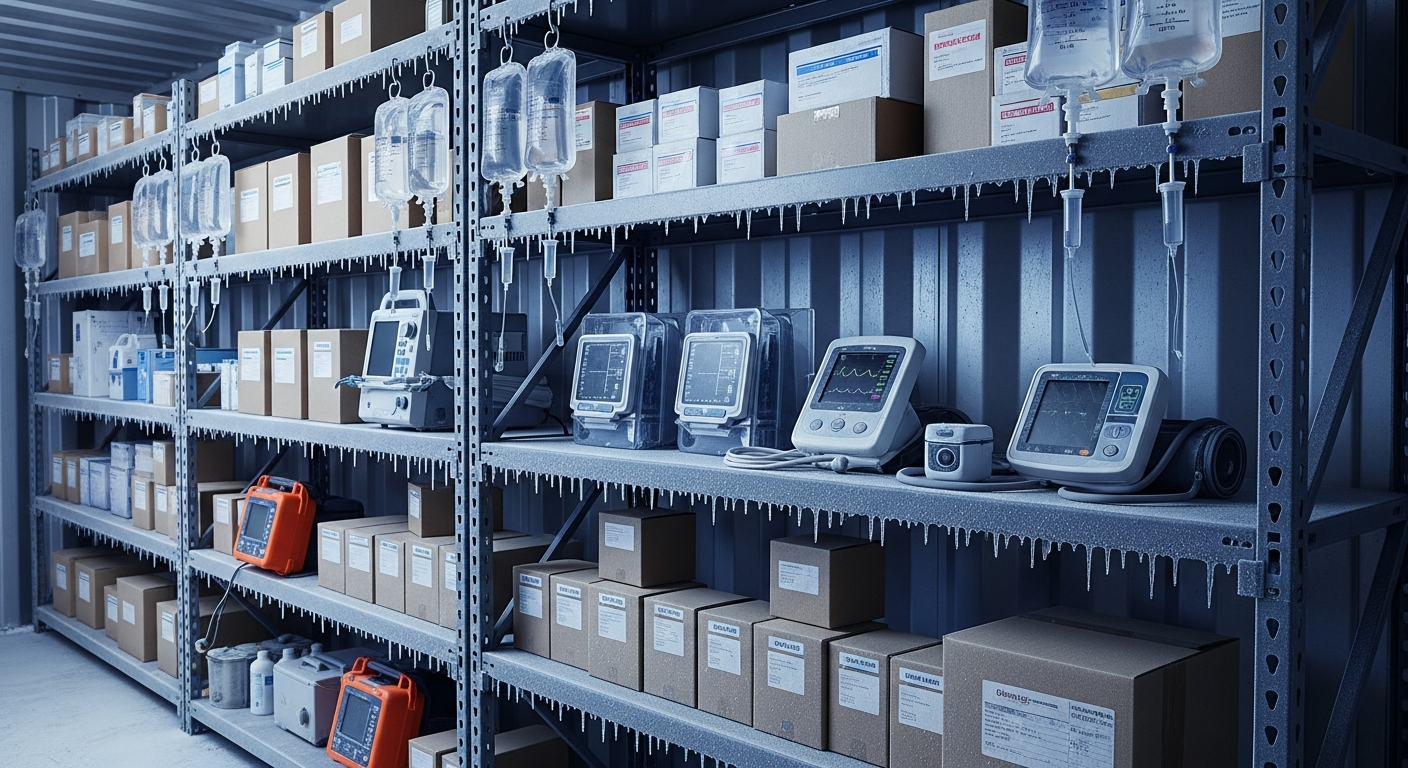
Hospital administrators and supply chain managers face mounting pressure to reduce costs while maintaining the highest standards for temperature-sensitive medical storage. Traditional cold storage construction projects often require significant capital investment, lengthy approval processes, and permanent facility commitments that don't adapt to changing needs.
Refrigerated shipping containers are transforming how medical facilities approach cold storage challenges. These specialized units provide the same reliability as traditional cold rooms at a fraction of the cost and setup time. Medical facilities can deploy container cold storage in weeks rather than months, immediately addressing storage capacity issues without extensive construction projects.
The modular nature of container storage allows hospitals to scale their cold chain capacity based on actual demand. During vaccine campaigns or seasonal flu preparations, additional units can be quickly deployed and removed when no longer needed. This flexibility eliminates the waste associated with oversized permanent facilities that sit partially empty for much of the year.
Container cold storage also addresses the critical need for backup storage during equipment failures or facility maintenance. Rather than risking medication and vaccine integrity during traditional cold room repairs, hospitals can quickly relocate temperature-sensitive inventory to container units, ensuring continuous protection throughout maintenance periods.
The global healthcare cold chain logistics market demonstrates explosive growth, with projections reaching between $32.8 billion and $139.14 billion by 2034, according to various market reports. This represents a compound annual growth rate of 8.63% between 2025 and 2034, driven primarily by expanding vaccine distribution networks, increasing pharmaceutical exports, and growing demand for biologics storage.
The surge in temperature-sensitive medical products creates unprecedented demand for reliable cold storage solutions. Most vaccines require precise temperature maintenance between 35°F and 46°F, while certain vaccines need to be stored frozen, and some COVID-19 vaccines require ultra-cold storage. Blood products, insulin, and specialty pharmaceuticals each have specific temperature requirements that must be maintained throughout the storage period.
This diversity in temperature requirements makes container cold storage particularly valuable. A single facility can deploy multiple container units set to different temperature ranges, creating a complete cold chain solution without the complexity of multiple built-in cold rooms. The ability to segregate different product types also reduces contamination risks and simplifies inventory management.
Container cold storage enables healthcare providers to establish services in previously underserved markets. Mobile medical clinics equipped with refrigerated container storage can bring vaccines, medications, and diagnostic supplies to rural communities that lack permanent healthcare infrastructure.
This mobility creates new revenue streams for healthcare organizations while fulfilling important community health missions. Container units can be transported to temporary locations for health fairs, disaster response, or seasonal medical camps, then relocated to other areas as needs change. The investment in container cold storage pays dividends through expanded service capabilities rather than just storage efficiency.
Medical-grade refrigerated containers incorporate sophisticated temperature control systems designed to meet pharmaceutical and healthcare storage standards. These units maintain consistent temperatures regardless of external weather conditions, ensuring product integrity during transport and stationary storage periods.
Modern reefer containers provide precise temperature control across a wide range suitable for all medical storage needs. The standard operating range of -22°F to 86°F covers everything from frozen vaccines to temperature-controlled pharmaceuticals. Advanced refrigeration units can achieve even lower temperatures when specialized products require ultra-cold storage down to -94°F.
Temperature stability remains within ±2°F throughout the storage space, meeting FDA and WHO guidelines for pharmaceutical storage. Digital control systems allow operators to set and monitor temperatures remotely, with automatic alerts if conditions drift outside acceptable ranges. This precision eliminates the temperature variations that can occur in traditional walk-in coolers, protecting valuable medical inventory from degradation.
Medical-grade containers incorporate advanced insulation systems that maintain temperature stability while minimizing energy consumption. The insulation prevents condensation that could compromise sterile storage environments, while sealed construction eliminates contamination pathways that might affect sensitive medical products.
Interior surfaces use materials approved for pharmaceutical storage, with smooth, non-porous finishes that resist bacterial growth and facilitate thorough cleaning. Air circulation systems ensure uniform temperature distribution throughout the storage space, preventing hot or cold spots that could affect product quality. HEPA filtration systems can be integrated for applications requiring ultra-clean storage environments.
Medical applications demand fail-safe power systems that prevent temperature excursions during power outages. Container cold storage units incorporate battery backup systems that maintain refrigeration for several hours during electrical interruptions. Diesel generators can extend operation for days if necessary, ensuring continuous protection for critical medical supplies.
Remote monitoring capabilities allow facilities managers to track container performance from any location. Real-time temperature data, power status, and system alerts are accessible through smartphone apps and computer dashboards. This visibility enables proactive maintenance and rapid response to any issues that could compromise storage conditions.
The financial advantages of container cold storage become clear when comparing total project costs, implementation timelines, and operational expenses against traditional cold room construction. Hospital administrators can achieve significant savings while gaining operational flexibility that permanent construction cannot provide.
Traditional cold room construction can often require 6-12 months and costs $200-400 per square foot, including electrical systems, insulation, refrigeration equipment, and structural modifications. Container cold storage can often be deployed in 2-4 weeks at $50-150 per square foot of storage space, representing potential savings of 60-80% on initial capital investment.
The reduced setup time provides immediate value when storage needs are urgent. During the COVID-19 pandemic, hospitals that could quickly deploy container storage maintained vaccine cold chain integrity while facilities waiting for construction completion faced storage shortages. This responsiveness translates directly to patient care quality and operational continuity.
Permitting requirements for container storage are typically minimal compared to permanent construction. Most jurisdictions treat containers as temporary structures, eliminating lengthy approval processes and reducing project complexity. This regulatory advantage accelerates deployment and reduces administrative costs.
Container cold storage units operate with higher energy efficiency than many traditional cold rooms due to superior insulation and modern refrigeration systems. Monthly electrical costs can potentially run 20-40% lower than comparable permanent facilities, creating ongoing operational savings that compound over time.
Maintenance costs remain predictable because container systems use standardized components with established service networks. Unlike custom-built cold rooms that may require specialized technicians or hard-to-find parts, container refrigeration systems use common commercial components with readily available service support. This accessibility reduces both planned maintenance costs and emergency repair expenses.
Container cold storage offers multiple acquisition models that align with different budget structures and operational requirements. Purchase options provide long-term ownership with full tax benefits, while leasing arrangements reduce initial capital requirements and include maintenance support. Rental agreements work well for temporary needs or trial implementations.
The residual value of container cold storage remains strong because units can be relocated, repurposed, or resold when storage needs change. Traditional cold rooms become stranded assets when facilities relocate or requirements shift, while containers maintain flexibility and value throughout their operational life.
Return on investment calculations for container cold storage consistently show positive results within 12-18 months of deployment. The combination of lower initial costs, reduced operational expenses, and increased storage flexibility creates multiple value streams that traditional construction cannot match.
Hospitals report immediate benefits from expanded storage capacity that eliminates costly emergency procurement and reduces waste from temperature-compromised products. The ability to accept larger pharmaceutical orders at volume discounts creates additional savings that accelerate payback periods. Container storage also enables facilities to offer cold storage services to other healthcare providers, creating new revenue opportunities.
The scalability of container solutions allows facilities to right-size their cold storage investment to actual needs rather than building for peak capacity. As storage requirements grow, additional containers can be added incrementally, avoiding the large capital outlays associated with expanding permanent facilities. This approach optimizes cash flow while maintaining storage adequacy throughout changing demand cycles.


