Traditional SEO takes months to show results and forces you to compete for limited spots on page one. Search box optimization (SBO) captures customers before they even see search results. Here’s how both strategies compare for boosting organic visibility.
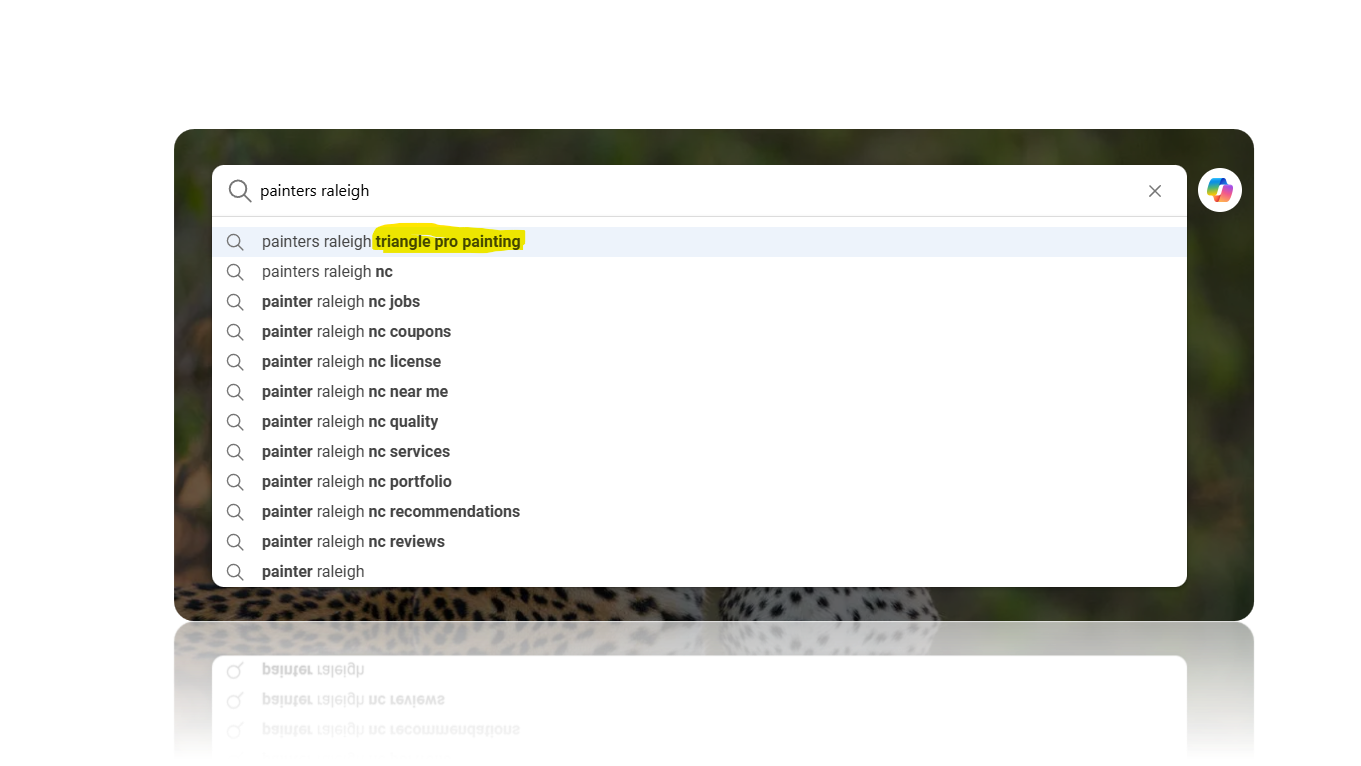
You’ve worked hard to rank on the first page of Google, only to find your competitors are still getting more clicks. It’s a familiar frustration for many business owners: even a page-one ranking means sharing space with nine or more other names, each fighting for the same customer’s attention.
Now, a new strategy allows businesses to change the equation. What if your business name appeared before potential customers even finished typing their query? That’s the promise of search box optimization — a growing approach that places brands inside the search box itself, long before traditional results appear.
Traditional SEO remains the cornerstone of online visibility. It’s built around a mix of content relevance, technical structure, and authority signals that help search engines understand what a page is about and whether it deserves to rank.
This includes keyword research, on-page optimization, backlink development, and maintaining a fast, secure website. For most brands, it’s a slow but reliable process. Over time, consistent SEO builds domain authority, which keeps content visible long after campaigns end.
The advantage is stability, as results earned through SEO tend to last. The drawback is speed. Climbing the rankings can take months, and even once you’re there, competition doesn’t stop. Every new business is still fighting for that same first-page real estate.
That’s where autocomplete marketing can change things up.
SBO focuses on the space before the results page, the search box itself. When someone starts typing a query, Google and other engines automatically suggest phrases to complete it. Those suggestions are based on real search behavior, location, and popularity.
Autocomplete strategies aim to make a brand name or target phrase appear among those predictive suggestions. The logic is simple: if users see your brand name or keyword as a suggestion, they’re more likely to click it, even before seeing competitors’ listings.
The appeal of autocomplete visibility lies in its timing. It meets intent earlier in the customer journey, shaping perception before the user even sees a results page. The effect can feel like a subtle endorsement, if a search engine is “suggesting” a brand, people naturally assume it’s credible.
This can lead to higher engagement rates and stronger click-through performance. For local businesses, especially, it’s a chance to become the first name users notice and not just another listing buried among ten.
But the system isn’t flawless. Autocomplete results are influenced by trending data, search history, and location. There’s no official API or guaranteed method to secure placement. And because it operates in a gray area of SEO, brands must approach it ethically, focusing on relevance and genuine interest rather than manipulation.
Search engines have also become more careful about suggestion accuracy, reducing spam or misleading terms. So while SBO can amplify a strategy, it can’t replace the fundamentals that drive lasting visibility.
Think of the two as operating at different stages of the same process.
One builds depth and trust; the other builds anticipation and awareness.
For example, if someone types “roofing contractors Austin,” traditional SEO determines which sites appear on page one. But if your business shows up in the search box before the phrase is finished, say, “ABC Roofing Austin”, you’ve already captured attention before they even hit enter.
The most effective strategies don’t choose one over the other. They combine both, using traditional SEO to strengthen authority and autocomplete technology to shape perception earlier in the journey.
Local businesses stand to benefit most from autocomplete visibility. Search intent at the local level is direct since users are looking for immediate solutions, often nearby. Appearing as a suggested result drives targeted traffic and reinforces local brand awareness.
For example, a bakery in Old Town that shows up as a suggestion when someone types “custom cakes Old Town” instantly gains a credibility edge. It feels like the search engine is recommending that business, even though the result is algorithmic.
Combining this with traditional local SEO, such as maintaining a strong Google Business Profile, collecting reviews, and optimizing for location-based keywords, creates a layered effect: trust built from content and recognition built from presence.
In conclusion, search algorithms will keep evolving, but one constant remains: attention goes to the name that appears first. Whether it’s through solid SEO or autosuggest visibility, the brands that learn to show up early and authentically will own the clicks that matter.


