Falls send 2.8 million seniors to emergency rooms annually, but new AI-powered detection systems are achieving up to 98% accuracy in preventing disasters. However, the technology that could save your independence comes with surprising privacy trade-offs you need to know about.
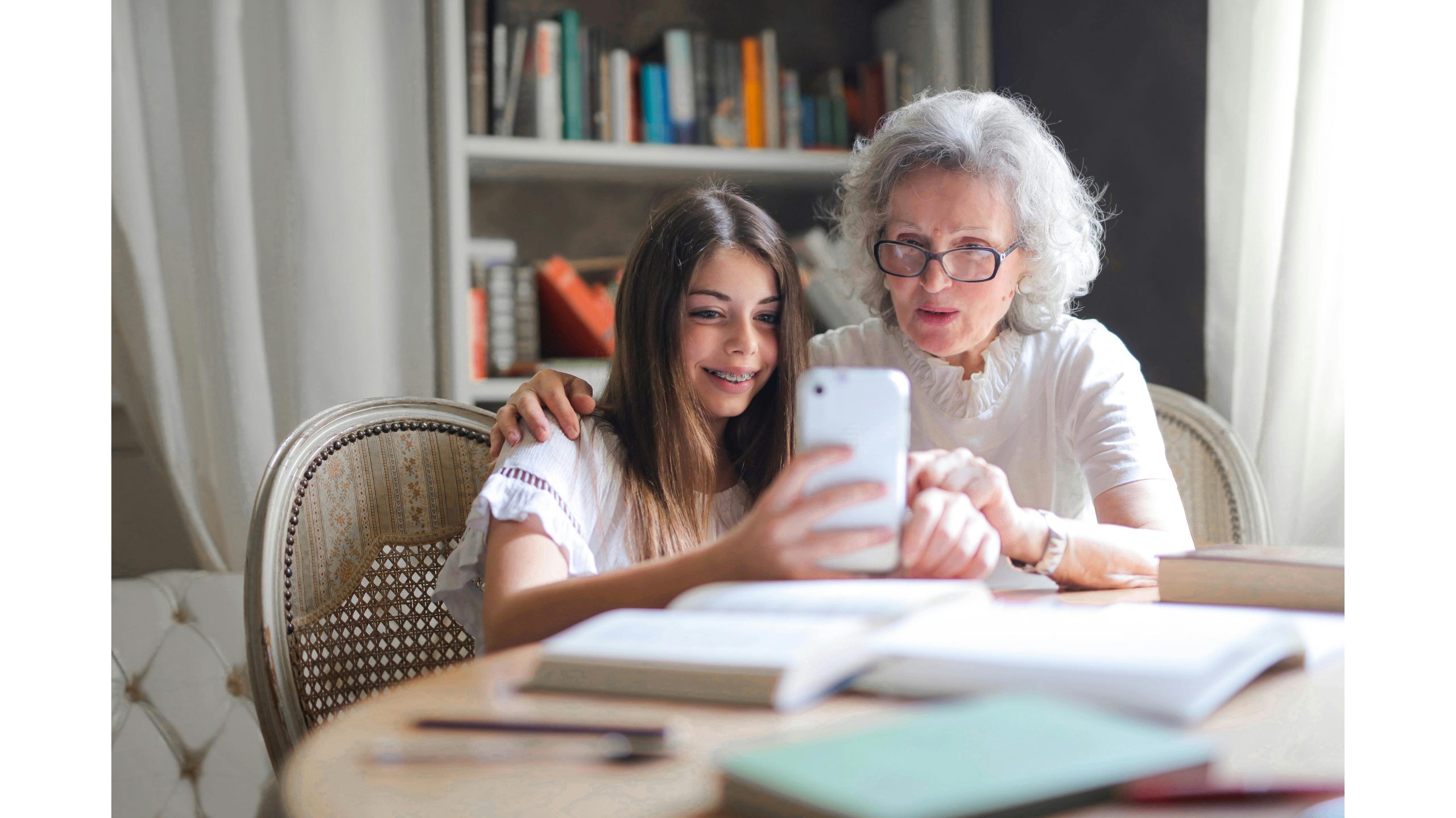
Every year, one in four adults over 65 experiences a fall, leading to over 2.8 million emergency room visits and devastating injuries that could change everything. The good news? Modern safety technology and proven home modifications are making it possible for Baby Boomers, Gen X, and those 50+ to age safely and independently in their beloved homes.
Falls represent the leading cause of injury and death from injury among older adults, with statistics that demand immediate attention. Beyond the physical trauma, fall-related injuries generate substantial emergency room costs, creating financial burdens that compound the emotional toll on families.
The challenge extends beyond individual safety concerns. With the majority of Baby Boomers preferring to age in their own homes, the need for effective safety solutions has never been more critical. Traditional approaches focused solely on basic modifications are no longer sufficient—today's aging-in-place strategies require integrated technology, strategic planning, and evidence-based interventions.
Recognizing this urgent need, Boomers Magic has released a detailed "Safe At Home" guide specifically designed for Baby Boomers, Gen X, and those 50+ who want to maintain independence while prioritizing safety. The guide combines peer-tested solutions with cutting-edge technology recommendations to create layered protection strategies that address multiple risk factors simultaneously.
Modern fall detection systems have evolved far beyond simple panic buttons, incorporating artificial intelligence and advanced sensors to achieve remarkable accuracy rates. These sophisticated systems utilize multiple detection methods including accelerometers that measure impact force, gyroscopes that detect orientation changes, computer vision for real-time movement analysis, and machine learning algorithms that improve accuracy by learning individual routines.
Fall detection accuracy varies significantly based on technology type and environmental factors. Wearable devices achieve 85-95% accuracy for active users, while ambient sensors deliver 90-98% accuracy in controlled environments. The most impressive results come from AI-powered camera systems, which can reach up to 99.5% accuracy in ideal conditions, though real-world performance typically ranges between 92-97% for most installations.
The most effective fall detection systems combine multiple sensing technologies to create redundant safety nets. Multi-sensor approaches dramatically reduce false alarms while ensuring genuine emergencies receive immediate attention. These systems analyze patterns from accelerometers, gyroscopes, and computer vision simultaneously, cross-referencing data points to distinguish between normal activities and actual falls with human-like precision.
Privacy concerns have driven innovation toward non-intrusive monitoring solutions that maintain dignity while delivering life-saving capabilities. Modern camera-based systems use edge computing to process data locally, transmitting only essential alert information without storing personal activities in the cloud. Advanced privacy features include local data processing, blurred images for emergency verification only, sound analysis without recording conversations, and motion pattern recognition without identifying specific activities.
The medical alert systems market is experiencing significant growth, reflecting both demographic trends and technological advancement. This growth represents more than market expansion—it signifies a fundamental shift toward aging in place, supported by increasingly sophisticated emergency response capabilities that can mean the difference between life and death during critical moments.
Emergency response times represent a critical factor in medical alert system effectiveness. Leading providers like Medical Guardian have demonstrated impressive performance with response times averaging 29 seconds in optimal conditions, while LifeFone achieves even faster 22-second averages. These rapid response capabilities depend on 24/7 monitoring centers with redundant systems, trained emergency operators with immediate access to medical profiles, direct coordination with local emergency services, and pre-programmed emergency contacts and medical information.
Voice-activated emergency systems eliminate compliance issues associated with remembering to wear devices while providing hands-free emergency access. These systems work when traditional alert buttons are unreachable, accommodate users with arthritis or limited dexterity, distinguish emergency requests from normal conversation, and provide environmental context to emergency responders. Integration with smart home platforms like Amazon's Alexa Emergency Assist creates safety networks.
Basic medical alert systems range from $20-50 per month for home-based systems, while mobile GPS-enabled systems cost $30-70 monthly. Advanced fall detection typically adds $10-20 per month to base pricing. Setup fees range from $0-100, with many companies offering equipment rental versus purchase options. Despite these costs, even advanced systems cost significantly less than assisted living alternatives.
Contemporary smart home security systems serve dual purposes, protecting against external threats while monitoring for internal medical emergencies. This convergence creates safety ecosystems that address both security and health concerns through integrated technology platforms, providing protection that traditional security systems cannot match.
Video doorbells revolutionize home security for seniors by providing visual identification of visitors without requiring physical proximity to doors. Essential features include two-way communication with visitors, motion detection with smartphone alerts, night vision capabilities, cloud storage of visitor recordings, and integration with smart locks for remote access. Smart locks complement this technology by enabling keyless entry through codes, smartphone apps, or biometric recognition, particularly beneficial for those with arthritis or limited dexterity.
Strategically placed motion sensors create invisible safety networks that monitor daily activities and detect unusual patterns. These sensors provide automatic pathway lighting to prevent falls, activity monitoring without intrusive surveillance, environmental hazard detection for temperature and humidity changes, integration with emergency response systems, and family notifications for unusual activity patterns. The technology creates monitoring without compromising privacy or independence.
Fall prevention requires addressing both environmental hazards and physical fitness through layered protection strategies. Research consistently demonstrates that combining home modifications with targeted exercise programs produces superior results, with some studies showing risk reductions of 25-50% when interventions are properly implemented and maintained.
Bathrooms account for the majority of home accidents among seniors, making safety modifications in these spaces the highest priority. Essential improvements include professionally installed grab bars near toilets and in showers, non-slip surfaces in tubs and shower areas, adequate lighting with night lights, raised toilet seats for easier transfers, and walk-in showers or shower seats. These modifications address the wet surfaces and confined spaces that create the most dangerous conditions for falls.
Intelligent lighting systems automatically adjust to activity patterns and ambient conditions, ensuring adequate illumination when and where needed. Smart lighting features include gradual brightness increases to prevent visual shock, motion sensors for hands-free operation, voice control integration, programmable schedules for routine activities, and emergency lighting during power outages. Motion-activated lights eliminate fumbling for switches in dark areas, particularly important for nighttime bathroom visits.
Tai Chi's slow, controlled movements improve proprioception and balance while building leg strength, with multiple studies demonstrating significant balance improvements among participants in structured programs. Chair Yoga modifications make traditional poses accessible to individuals with mobility limitations, focusing on flexibility, core strength, and balance training. These evidence-based exercise programs provide 25-50% reduction in fall risk with regular practice, improved confidence in balance and movement, better flexibility and range of motion, social connection through group classes, and mental health benefits from mindful movement.
Strategic safety planning enables families to build protection over time without overwhelming upfront costs. A phased approach allows learning each system while avoiding complexity overload, creating sustainable safety improvements that grow with changing needs and budgets.
Phase 1 essential safety basics focus on high-impact, low-cost modifications during the first 1-2 months. This includes installing bathroom grab bars and non-slip surfaces, improving lighting throughout the home, removing tripping hazards and securing loose rugs, setting up basic medical alert systems, and beginning balance exercise programs. These foundational improvements address the most common hazards while establishing safety habits.
Phase 2 smart technology integration occurs during months 3-4, incorporating advanced monitoring and automation systems. This phase includes installing smart doorbells and locks, adding motion sensor lighting, implementing smart home security systems, upgrading to advanced medical alert systems, and adding medication management systems. The integration creates interconnected safety networks that provide both convenience and protection.
Phase 3 advanced monitoring during months 5-6 completes safety coverage with ambient fall detection if needed, environmental monitoring sensors, smart thermostat with health monitoring, emergency response protocols with family, and regular system testing and updates. Even premium integrated systems costing $5,000-$10,000 represent significant savings compared to assisted living, which averages over $62,000 annually.
The most effective safety approaches combine physical modifications, technological solutions, and wellness practices in personalized safety strategies. Success comes from creating layered protection that addresses multiple risk factors simultaneously while maintaining the independence and dignity that make aging at home so appealing.
Smart medication management systems address one of the most significant safety challenges for independent living. Modern pill dispensers provide automated dispensing at prescribed times, locking mechanisms to prevent accidental overdoses, alert systems for missed doses, family notifications for concerning patterns, and built-in cameras to verify pills have been taken. Voice-activated assistants provide medication reminders and can contact healthcare providers when concerns arise.
The convergence of proven safety practices with advanced technology creates unprecedented opportunities for successful aging in place. By implementing strategic modifications, adopting helpful technologies, and maintaining active lifestyles, Baby Boomers, Gen X, and those 50+ can enjoy the independence and familiarity of their beloved homes while minimizing safety risks through evidence-based interventions.
Ready to create your safety plan? Visit Boomers Magic for peer-tested guidance on aging gracefully and safely in your cherished Home Sweet Home.


