Most property owners install the wrong backflow preventer and discover their mistake during costly repairs or contamination events. Understanding whether your system needs simple PVB protection or advanced RPZ assemblies determines water safety, compliance costs, and long-term maintenance requirements.
Your tap water tastes funny and looks slightly brown, signaling potential backflow problems that need immediate backflow prevention services. These warning signs mean contaminated water might be mixing with your clean water supply through faulty prevention devices, says a New Orleans-based expert from National Economy Plumbers
Most property owners don't know whether they need an RPZ or PVB device until they fail an inspection. Here's everything you need to know about choosing the right backflow preventer for your specific situation.
Water normally flows in one direction through your pipes, but pressure changes can reverse that flow and create serious health risks. When water mains break, fire hydrants open, or power outages hit, the pressure in your pipes drops suddenly and dramatically. This pressure drop creates a vacuum that sucks water backward through your plumbing system into the clean water supply.
The contamination happens without warning signs until someone gets sick from bacteria or chemicals in their drinking water. Commercial buildings with cooling towers, homes with lawn irrigation, and properties with pools all create contamination risks when backflow occurs. Your backflow preventer acts as the only defense between these hazards and the water your family uses every day.
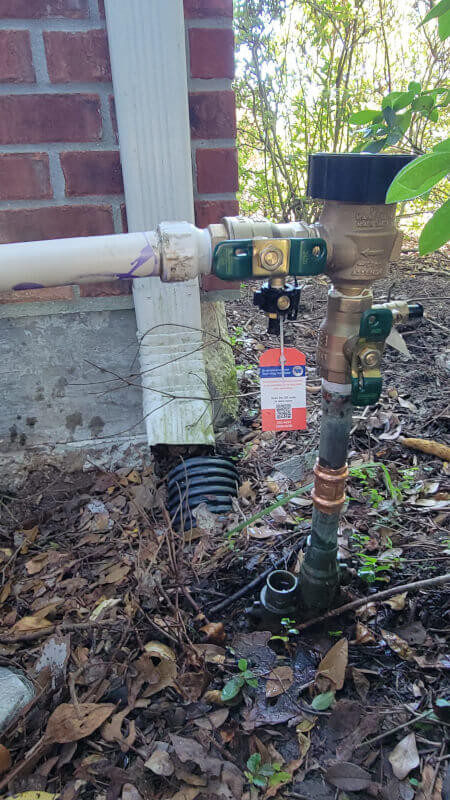
A PVB combines a spring-loaded check valve with an air inlet valve that opens when water pressure drops below normal levels. The air inlet breaks the vacuum by letting air enter the system, which stops contaminated water from flowing backward into clean pipes. This device needs to sit at least twelve inches above your highest water outlet to work properly.
These units handle basic residential sprinkler systems well because they're simple, affordable, and easy to maintain over the years. The straightforward design means fewer parts can break, making repairs cheaper and faster when problems do arise.
An RPZ assembly uses two separate check valves with a special pressure zone between them for double protection against backflow. A relief valve monitors the pressure between these valves and dumps water outside when it detects any backflow conditions starting to develop. This backup system means that even if one valve completely fails, the second valve keeps protecting your water supply.
The relief valve actively responds to pressure problems by releasing water immediately rather than just blocking the backward flow like simpler devices. This active protection system works at any height, so you can install it at ground level or underground with proper drainage.
PVB devices need open air around them to work, so they must go above ground where nothing blocks the air inlet. The twelve-inch height requirement above your sprinklers creates problems on sloped yards or when you want to hide the device. You also can't add any shutoff valves after the PVB, which limits your control over different watering zones.
RPZ units can be installed almost anywhere, including ground level, underground boxes with drains, or inside mechanical rooms with floor drains nearby. You can add zone valves and shutoffs after an RPZ, giving you complete control over your irrigation system design.
Your property's contamination risk determines which backflow preventer will keep your water safe and meet local code requirements:
Lower Risk Situations (PVB Works Fine):
Higher Risk Situations (RPZ Required):
PVB devices need yearly testing by certified technicians who check that both valves work correctly and hold pressure properly. The test takes about thirty minutes, and most repairs just involve replacing rubber seals or springs that wear out. Common problems include debris in the air inlet or worn seals that let small amounts of water leak through.
RPZ assemblies often need testing twice per year, especially for commercial properties or high-risk residential systems with chemical injection. Testing takes longer because technicians must check each valve separately, verify the pressure differential, and confirm that the relief valve works correctly. More parts mean more things can break, leading to higher repair bills and needing specially certified RPZ technicians.
Choose a PVB when you have a basic sprinkler system without chemicals, enough height difference for proper installation, and low contamination risk. Most single-family homes with standard lawn irrigation save money with PVB devices while still meeting safety codes. These simple devices last for decades with basic maintenance when you install them right and protect them from freezing weather.
Pick an RPZ when you can't meet the height requirements for PVB installation or when you use any chemical injection systems. Commercial properties almost always need RPZ devices because of their complex plumbing, multiple contamination sources, and stricter safety codes. The extra protection makes the higher price worth it when you're protecting public health or preventing major contamination disasters.
Properties with underground sprinkler systems benefit from RPZ devices since they work fine at ground level or below with good drainage. Apartment complexes and condos usually need RPZ protection because contamination would affect many families instead of just one household.
Choosing the right backflow preventer means understanding local codes, checking contamination risks, and looking at installation limits specific to your property. Certified backflow specialists check your situation, suggest the right device, and install it properly to meet all safety rules. Professional installation avoids common mistakes like wrong height, bad drainage, or missing test connections that cause failed inspections later.
Properties face special challenges with high water tables, flooding risks, and old pipes that affect how well backflow preventers work over time. Local professionals know these regional issues and pick devices built for your specific conditions, including freeze protection and corrosion resistance.
Yearly testing by certified technicians keeps your backflow preventer working right while keeping you legal with water department rules and insurance requirements. Broken devices risk contamination, code violations, and possibly having your water shut off until you fix the protection system properly.
The difference between RPZ and PVB devices affects your property's safety, legal compliance, and maintenance costs for years to come. Understanding these differences helps you protect your water from contamination that threatens health and property values.
Professional evaluation ensures you get the right backflow prevention services for your needs while meeting safety standards. Taking action now protects everyone who uses your water from dangerous contamination while keeping your property up to code.


