Choosing between roller shades and blinds affects more than just looks. Understanding how these window treatments differ helps you make a smarter decision for your home.
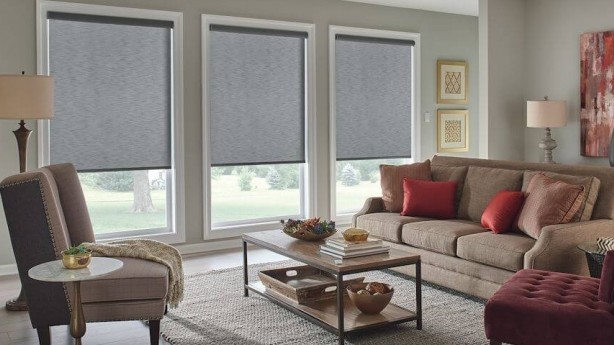
You've probably seen both roller shades and blinds countless times without really thinking about how they differ. Roller shades are made from a single piece of fabric that rolls up into a tube at the top of your window. Blinds, on the other hand, have individual horizontal or vertical slats that tilt, raise, and lower. That structural difference creates some pretty significant variations in how they work.
The window treatment experts from Overland Park-based Inside Solutions note that understanding these differences is important because roller shades and blinds each excel in different situations. Your choice really depends on what matters most to you, whether that's light control, energy efficiency, privacy, or simply the look you're going for.
Blinds give you pretty precise control over light because you can tilt those slats to any angle you want. This means you can let in some natural light while still blocking direct sun and reducing glare. It's great when you want that Goldilocks situation, where you get light but not too much. However, those gaps between the slats mean blinds can't completely block out light when closed.
Roller shades work differently. When they're down, they cover the entire window with fabric. If you choose blackout roller shades, you can make a room almost completely dark, which is perfect for bedrooms or home theaters. Light-filtering options let in soft, diffused light while maintaining privacy during the day.
According to the U.S. Department of Energy, approximately 25 to 30 percent of residential heating and cooling energy use is lost through windows. Both roller shades and blinds can help reduce this energy loss, but they do it in different ways and with varying levels of effectiveness.
Blinds offer some insulation, and their slats allow you to adjust how much heat enters or leaves your home. When closed completely, reflective blinds can reduce heat gain from sunlight. The downside is that all those openings between the slats make it difficult to control heat loss during winter months.
Roller shades typically provide better insulation because they create a more complete barrier when lowered. Heavier fabrics perform better, though even lighter roller shades offer some thermal protection. Solar roller shades are specifically designed to block UV rays and reduce heat while maintaining your view outside.
Blinds collect dust on every single slat, which means cleaning them can be tedious. You're basically wiping down dozens of individual surfaces. They're also more prone to breaking because those slats and the mechanisms that control them have more moving parts.
Roller shades are generally easier to maintain. Most can be wiped down with a damp cloth or vacuumed. They have fewer moving parts, so there's less that can go wrong mechanically. That said, fabric shades can fade over time if exposed to direct sunlight constantly.
Think about your priorities. If you want precise light control and don't mind the extra cleaning, blinds might work better. If you're after simplicity, better insulation, and easier maintenance, roller shades could be your answer. Many homeowners actually use both types in different rooms based on each space's specific needs. Your bedroom might benefit from blackout roller shades for better sleep, while your home office might work better with adjustable blinds to control screen glare throughout the day.


